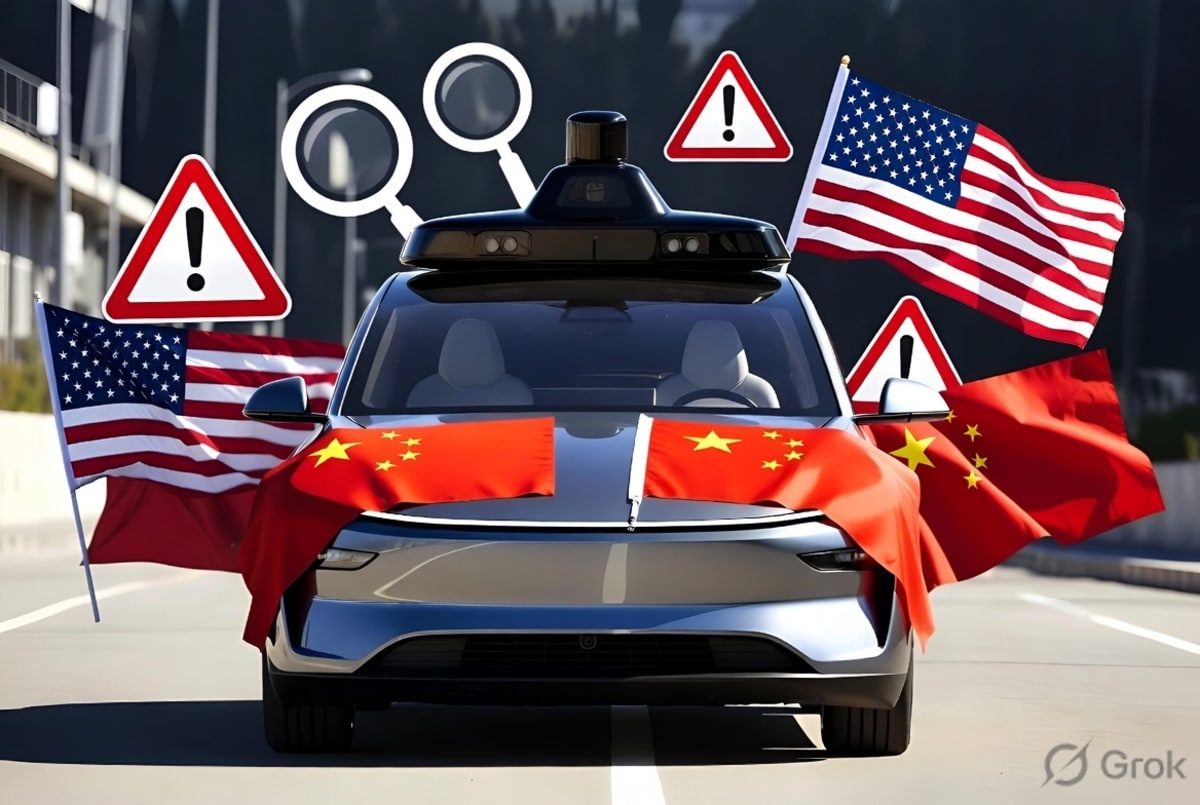
The autonomous vehicle industry, a sector long heralded as a cornerstone of future transportation, is facing a new point of contention with the emergence of Waymo's latest robotaxi model, codenamed 'Ojai.' Reports indicate that this new vehicle, designed to bolster Waymo's fleet and service offerings, is slated for manufacturing in China. This strategic decision by Alphabet's self-driving subsidiary is drawing attention as Waymo simultaneously works to scale its autonomous ride-hailing operations within the United States, presenting a complex interplay of global manufacturing and domestic market ambitions.
Ojai's Global Manufacturing Strategy
Details surrounding the 'Ojai' project suggest a significant departure from traditional automotive manufacturing models for Waymo. While specific manufacturing partners and locations within China are not yet widely disclosed, the intention to produce the vehicle overseas signals a deliberate choice to leverage China's established and cost-effective manufacturing capabilities. This move could potentially accelerate the production timeline and reduce the per-unit cost of Waymo's autonomous vehicles, enabling a more rapid expansion of its service. The 'Ojai' is anticipated to be a purpose-built, all-electric vehicle, optimized for the demands of autonomous ride-hailing, featuring advanced sensor suites and a comfortable passenger cabin. The development and potential deployment of 'Ojai' are seen as a critical step in Waymo's long-term strategy to achieve profitability and widespread adoption of its autonomous technology. The company has been actively testing and refining its autonomous driving system, the Waymo Driver, across various complex urban environments in the US, including Phoenix, San Francisco, and Los Angeles. The introduction of a new, potentially more cost-efficient vehicle could significantly impact the economics of robotaxi services, making them more competitive with traditional ride-sharing and taxi options.
Impact on US Autonomous Vehicle Deployment
The manufacturing of 'Ojai' in China, while offering potential cost and production benefits, also introduces a layer of complexity regarding its deployment and reception in the United States. Regulatory bodies and policymakers in the US have increasingly focused on the domestic production of critical technologies and the security of supply chains. The reliance on foreign manufacturing for a key component of the US autonomous vehicle ecosystem could invite scrutiny. Concerns may arise regarding job creation within the US automotive and tech sectors, as well as potential vulnerabilities in a supply chain that extends internationally. Waymo has been a leader in the US autonomous vehicle space, operating fully driverless ride-hailing services in select cities. The company has emphasized its commitment to safety and regulatory compliance, undergoing rigorous testing and seeking necessary permits for operation. The decision to manufacture 'Ojai' abroad, however, could spark debate about the balance between innovation, cost-efficiency, and national industrial strategy. Experts in the automotive sector suggest that such a move is not uncommon in the globalized automotive industry, where components and even entire vehicles are often sourced from various international locations to optimize production. However, for a technology as nascent and strategically important as autonomous vehicles, the location of manufacturing might carry greater geopolitical and economic weight. The potential impact on US-based suppliers and manufacturing jobs is also a consideration, as the domestic AV industry continues to mature and seek sustainable business models. Waymo's approach might set a precedent for other autonomous vehicle developers, influencing the broader trajectory of the industry's supply chain development.
Waymo's Expansion and Competitive Landscape
Waymo's continued investment in its robotaxi service, exemplified by the development of 'Ojai,' underscores the company's long-term vision for autonomous mobility. The company has been steadily expanding its service areas and operational capabilities, aiming to become a dominant player in the nascent robotaxi market. This expansion occurs within a highly competitive landscape, with other major technology and automotive companies also vying for a significant share of the autonomous vehicle market. Companies like Cruise (General Motors' AV unit), Amazon's Zoox, and various other startups are all investing heavily in developing and deploying their own autonomous ride-hailing services. Waymo's ability to scale its operations efficiently and cost-effectively will be a critical factor in its success. The 'Ojai' project, with its potential for streamlined manufacturing, could be instrumental in achieving this goal. However, the company must navigate the complexities of US regulations, public perception, and the evolving geopolitical considerations surrounding international manufacturing. The company's public statements have consistently highlighted safety and rigorous testing protocols as paramount. The introduction of a new vehicle platform, regardless of its manufacturing origin, will undoubtedly undergo extensive validation to ensure it meets Waymo's high standards. The competitive pressure to innovate and deploy at scale is immense, pushing companies to explore all avenues for optimizing production and reducing costs. Waymo's strategy with 'Ojai' appears to be a calculated move to address these market dynamics, balancing the need for advanced technology with the economic realities of mass deployment.
Looking Ahead: Regulatory and Market Repercussions
The ramifications of Waymo's 'Ojai' manufacturing decision are likely to unfold in the coming months and years. Policymakers may seek greater transparency regarding the company's supply chain and manufacturing processes, particularly concerning vehicles operating on public roads in the US. Discussions around domestic job creation and the strategic importance of the autonomous vehicle sector could intensify. Furthermore, the success or challenges encountered by 'Ojai' in its potential deployment could influence the strategies of other AV developers, shaping the future of manufacturing and supply chain management within the industry. Waymo's ability to effectively communicate its strategy and address any public or regulatory concerns will be crucial. The company is expected to continue its methodical approach to service expansion, prioritizing safety and reliability. As the autonomous vehicle industry matures, the intricate balance between technological advancement, economic viability, and global manufacturing strategies will remain a central theme, with 'Ojai' serving as a significant case study in this evolving landscape.