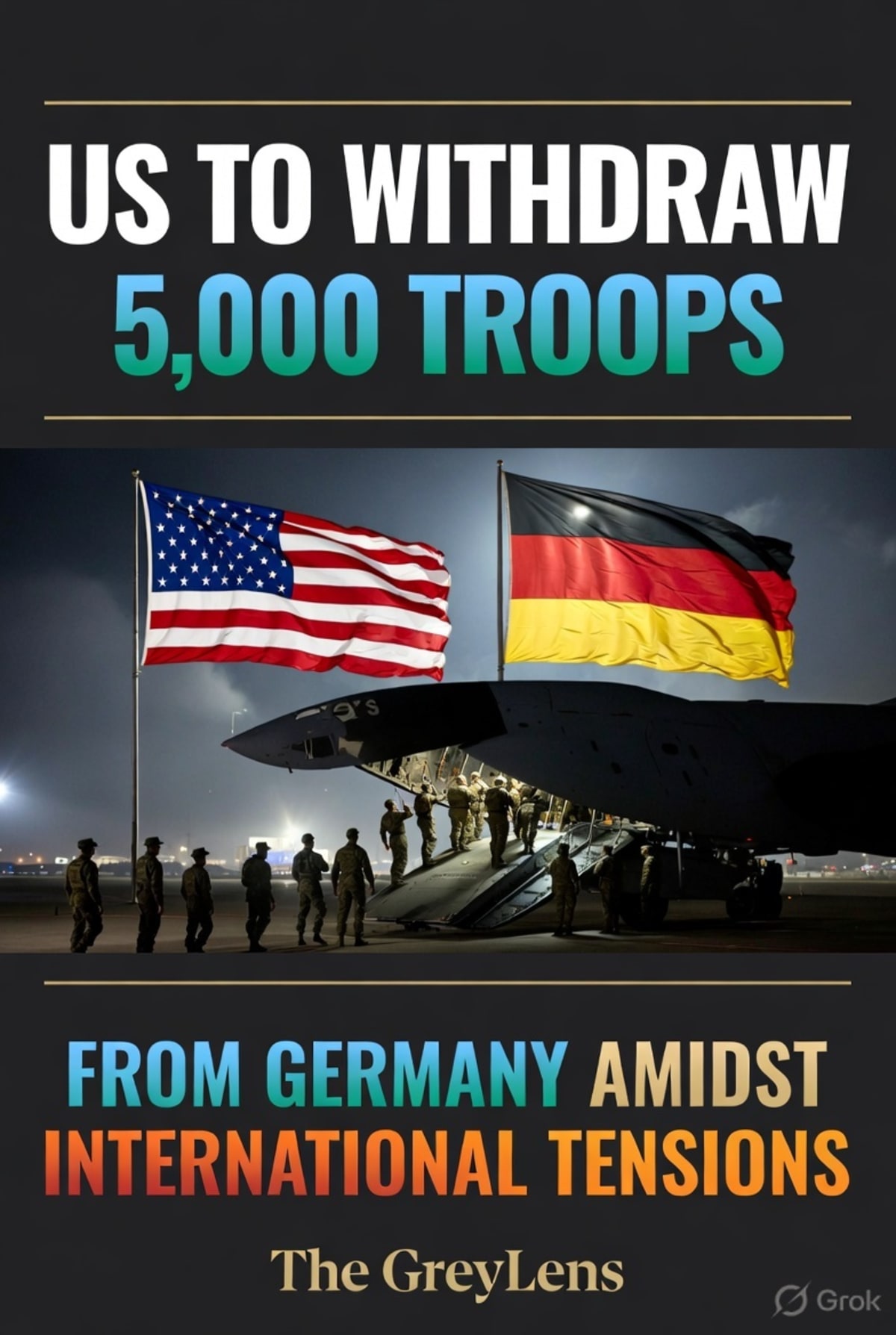
The United States is set to withdraw approximately 5,000 troops from Germany over the next six to twelve months, a decision that has raised concerns among key Republican figures in Congress. The Pentagon confirmed the drawdown, which fulfills a long-standing threat from President Donald Trump to reduce the U.S. military's commitment to European security. This move comes as President Trump continues to express dissatisfaction with international relations, particularly concerning Iran and its role in global trade routes.
Bipartisan Concerns Over German Troop Reduction
Senators Roger Wicker and Representative Mike Rogers, who chair the Senate and House Armed Services Committees respectively, voiced their apprehension regarding the troop withdrawal. In a joint statement, they expressed significant concern, highlighting the potential implications of such a reduction. Their apprehension stems from the belief that withdrawing forces from a key NATO ally like Germany could send an unfavorable signal to adversaries, including Russia, especially as the conflict in Ukraine has recently entered its fifth year. The bipartisan resistance underscores the strategic importance placed on the U.S. military presence in Europe by some in Washington.
Escalating Tensions with Germany and Iran
President Trump's decision to reduce troop numbers in Germany appears to be linked to a dispute with German Chancellor Friedrich Merz. Trump has previously indicated his frustration with Germany's stance on international matters, including its engagement with Iran. Reports suggest that Chancellor Merz's comments, where he described Iran as "humiliating" the United States in peace talks, may have contributed to Trump's decision. Simultaneously, the U.S. is actively engaged in a standoff with Iran over the Strait of Hormuz, a critical chokepoint for global oil and gas trade. The U.S. has warned shipping companies against paying Iran for safe passage, underscoring the volatile geopolitical climate in the region. Trump himself has characterized U.S. naval actions in seizing ships amid the Iranian blockade as being "like pirates," reflecting the heightened tensions.
Spirit Airlines Ceases Operations, Creating Passenger Disruption
In domestic news, the discount carrier Spirit Airlines abruptly ceased operations, leaving thousands of passengers stranded and airline employees in uncertainty. The sudden shutdown has triggered a blame game involving airlines and government officials as they grapple with the fallout. U.S. Transportation Secretary Sean P. Duffy announced measures to support affected passengers and employees, coordinating with other U.S. carriers to ensure travel continuity and facilitate job opportunities for Spirit's workforce. This situation adds another layer of disruption to the American travel landscape.
Looking Ahead: Global Stability and Domestic Impact
The withdrawal of U.S. troops from Germany signals a potential shift in American foreign policy and its commitment to European security. The international community will be closely watching how this drawdown impacts NATO's collective defense and regional stability. Domestically, the collapse of Spirit Airlines presents immediate challenges for travelers and employees, with ongoing efforts to mitigate the widespread disruption. The coming weeks will likely see further developments in both the geopolitical arena and the airline industry as stakeholders navigate these complex situations.