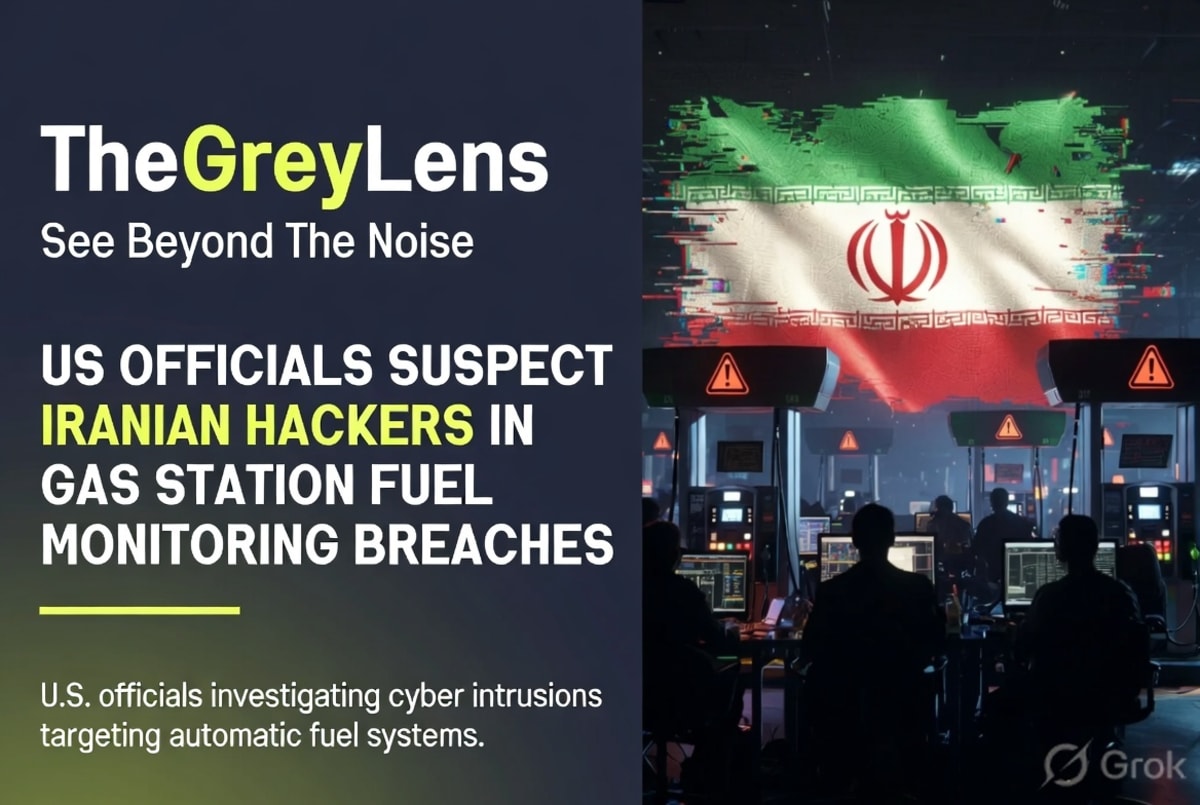
In a developing cybersecurity concern, U.S. officials are investigating a series of cyber intrusions that have affected fuel monitoring systems at gas stations across multiple states. The primary focus of the investigation is on Automatic Tank Gauge (ATG) systems, which are crucial for tracking fuel levels in underground storage tanks and assisting operators in detecting potential leaks.
Unsecured Systems Create Entry Point for Attackers
Initial reports indicate that the hackers exploited vulnerabilities in these ATG systems by taking advantage of internet-connected systems that lacked adequate password protection. This lack of robust security measures provided an entry point for unauthorized access, allowing the intruders to alter the displayed fuel level readings in some instances. However, authorities have clarified that there is currently no evidence to suggest that the actual quantities of fuel stored in the tanks or the fuel distribution operations themselves were directly impacted by these breaches. The primary concern remains the manipulation of data and the potential for concealing critical operational issues, such as gas leaks.
Iran Identified as Leading Suspect Amidst Geopolitical Tensions
Sources briefed on the investigation have pointed to Iran as a leading suspect due to its history of targeting similar fuel tank systems. This suspicion is amplified by the current geopolitical climate, with increased tensions in West Asia potentially heightening the risk of cyberattacks on critical infrastructure. While U.S. officials have not officially attributed the attacks to any specific country or organization, the pattern of activity aligns with known Iranian state-sponsored or state-affiliated hacking groups. However, investigators acknowledge that conclusively identifying the perpetrators may prove challenging due to the limited forensic evidence left behind by the attackers. The vulnerability of these systems is not new; reports from 2015 and 2021 highlighted similar concerns and potential targeting of ATGs by Iranian-linked groups.
Broader Implications for Critical Infrastructure Security
Beyond the immediate impact on gas station operations, these intrusions underscore broader vulnerabilities within the United States' critical infrastructure. The reliance on internet-connected operational technology (OT) systems, often lacking sufficient cybersecurity safeguards, presents a significant risk. Cybersecurity experts emphasize that while these specific attacks may not have caused direct physical harm, the ability to manipulate data within such systems could theoretically lead to dangerous situations if not detected and addressed promptly. The incident serves as a stark reminder of the ongoing threats posed by sophisticated cyber actors and the imperative for enhanced security measures across all sectors of critical infrastructure.