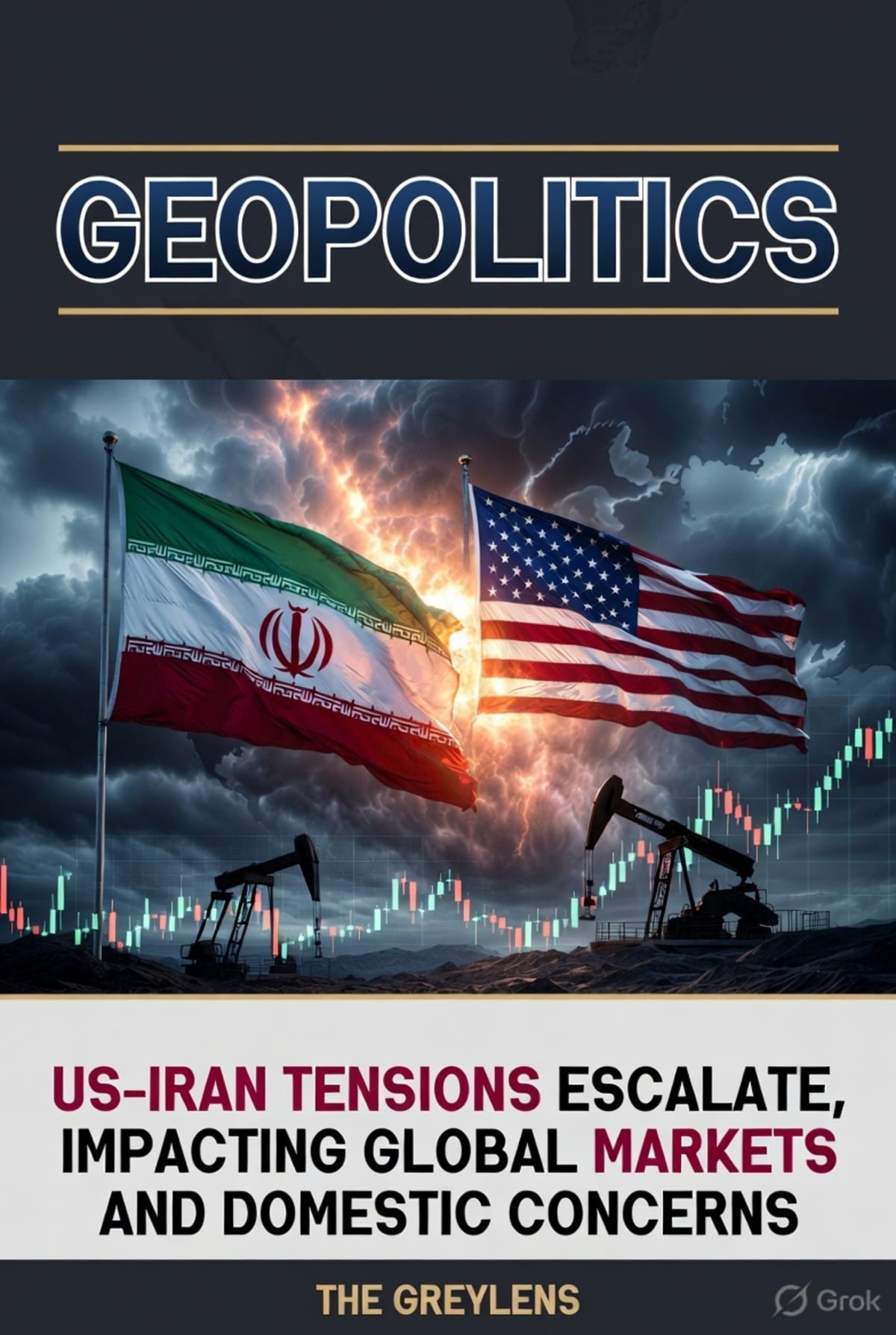
Ceasefire on 'Life Support' as Diplomatic Stalemate Deepens
Relations between the United States and Iran remain severely strained as President Donald Trump declared the existing ceasefire "on life support" following the rejection of Tehran's latest peace proposal. The U.S. deemed Iran's response "totally unacceptable," highlighting a significant gap in demands concerning Iran's nuclear program, sanctions relief, and control over the Strait of Hormuz. This diplomatic deadlock, coupled with recent exchanges of fire, targeted attacks on shipping, and ongoing military blockades, has cast a shadow over the fragile peace that had been in place since early April. The volatility in the region raises concerns about a potential return to open warfare and the prolonged global energy crisis that has already gripped international markets.
Global Markets Brace for Continued Turbulence Amidst Energy Shock
The ongoing geopolitical friction is exerting significant pressure on global financial markets. Asian currencies have experienced some of the steepest declines, with the Indonesian rupiah hitting a record low, and currencies in India and the Philippines also reaching historic lows. Japan's yen has come under renewed pressure as rising oil prices, driven by the conflict and disruptions to the Strait of Hormuz, exacerbate its reliance on energy imports. The airline industry is grappling with soaring jet fuel prices, with one low-cost U.S. airline reportedly collapsing due to increased operational costs. Bond markets are also facing strain, with U.S. Treasury yields hovering around 4.40%, potentially squeezing emerging markets. Analysts warn that higher oil prices, persistent inflation concerns, and market volatility are likely to continue as long as tensions remain elevated. The global oil supply has tightened considerably, with estimates suggesting a loss of over 1 billion barrels in two months, forcing markets to reprice supply risks rapidly.
Domestic Concerns Rise as Inflationary Pressures Mount
Domestically, the conflict is fueling rising inflation and impacting consumer sentiment. Average U.S. gasoline prices have surged from around $3 to over $4.50 per gallon, representing a 42% increase since late 2025, with diesel prices jumping 52%. This spike in fuel costs is contributing to broader inflationary pressures, affecting the prices of household goods and raising concerns about stagflation – a combination of high inflation and stagnant economic growth. Public opinion in the U.S. reflects growing unease, with a significant majority of Americans, including a notable portion of Republicans, questioning the clarity of President Trump's stated goals for U.S. military involvement in Iran. With nationwide elections looming, the war's unpopularity and its impact on voters' wallets are becoming increasingly significant political considerations.
Looking ahead, the trajectory of the U.S.-Iran conflict remains highly uncertain. Observers will be closely monitoring diplomatic engagements, potential shifts in military activity in the Strait of Hormuz, and any further statements from key leaders. The upcoming reports from the Energy Information Administration could offer insights into potential oil supply changes, while President Trump's planned trip to China may signal efforts to enlist Beijing's leverage in pressuring Iran towards concessions. The fragility of the current ceasefire and the unresolved core issues underscore the sensitivity of market dynamics and regional stability to future developments.