A Deal Struck Amidst Global Tensions
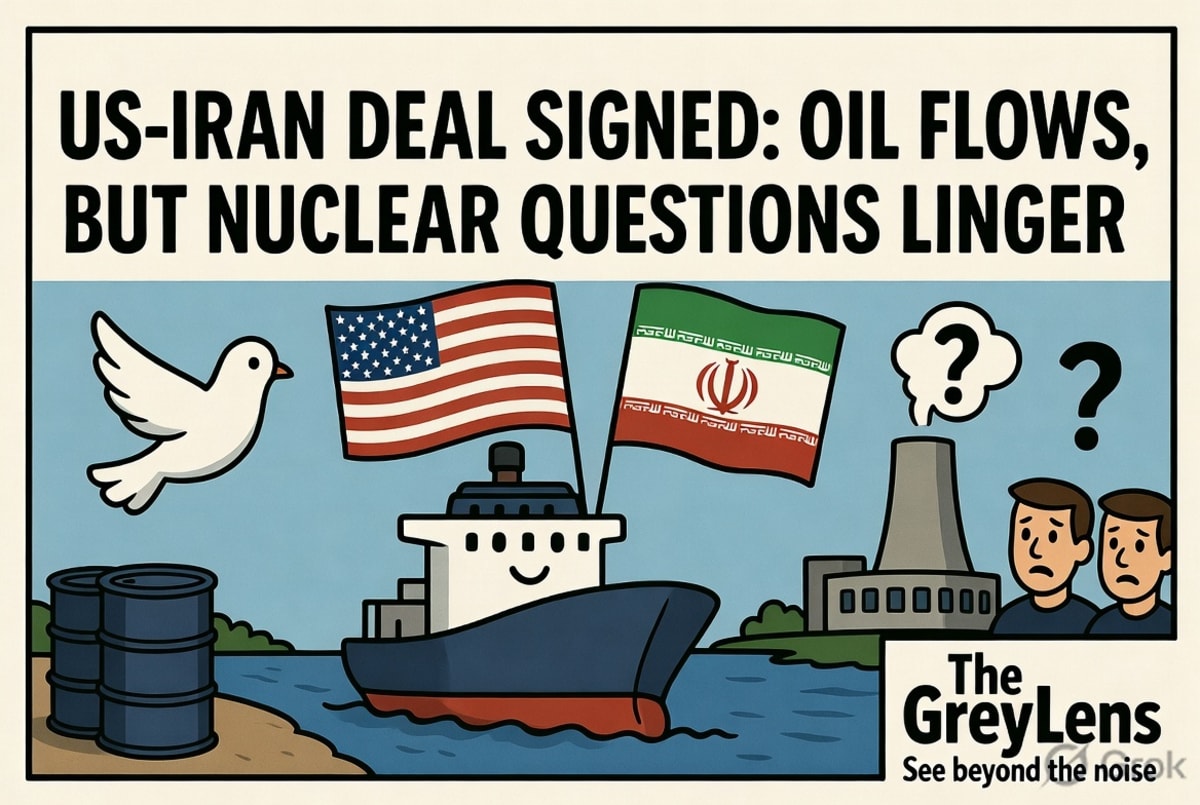
In a development that has sent shockwaves through international diplomacy and global markets, the United States and Iran have electronically signed a comprehensive deal aimed at ceasing hostilities and crucially, reopening the Strait of Hormuz. This critical waterway, vital for global oil transport, has been a flashpoint in recent months. President Trump has declared this a resounding victory, stating that the U.S. naval blockade will be lifted as part of the agreement. The news has already spurred a jump in U.S. stock markets, with hopes that the resolution will alleviate turmoil in the energy sector. However, the immediate impact on fuel prices is expected to be protracted, with normalization potentially taking months. Vessels have reportedly begun moving through the Strait of Hormuz, a positive sign for the global supply chain, though the full economic ramifications are still unfolding.
Unanswered Questions Plague the Accord
Despite the celebratory rhetoric from the White House, significant questions cast a shadow over the U.S.-Iran agreement. Notably absent from public discussions of the deal is any mention of Iran's nuclear weapons program. While the accord focuses on ending the immediate conflict and securing maritime passage, intelligence officials, including the CIA Director, are reportedly expressing doubt about Iran's long-term intentions, with sources suggesting the agency is skeptical about the deal's implications for nuclear proliferation. This silence on a core issue has drawn sharp criticism, with reports indicating that Israelis, in particular, are denouncing the deal for its perceived leniency on nuclear matters. The agreement, while potentially de-escalating regional conflict, leaves a critical strategic vulnerability unaddressed, raising the specter of future confrontations.
Domestic Ripples and Political Undercurrents
The U.S.-Iran deal is not the only significant event unfolding domestically. In California, Governor Gavin Newsom has revealed that the Department of Justice is investigating him and his wife, adding a layer of political intrigue to the national news cycle. Meanwhile, President Trump's own financial activities are under scrutiny, with reports detailing an unprecedented volume of stock trades by the president in the first quarter of the year. These domestic developments, while seemingly disparate, underscore a period of significant political and economic flux in the United States. The Trump administration's focus on the Iran deal also comes as the nation grapples with other pressing issues, including the ongoing World Cup, where Iran's team has been involved in politically charged matches. Reports indicate that the Iranian World Cup team was ordered to leave the U.S. and return to their training base in Mexico shortly after their opening match, highlighting the complex geopolitical undercurrents at play.
The GreyLens Take
SIGNAL: The most critical signal from this U.S.-Iran deal is the immediate reopening of the Strait of Hormuz and the subsequent easing of global oil supply concerns. This de-escalation, if sustained, has the potential to significantly curb inflation and stabilize energy markets worldwide within the next six months. The resumption of oil flow through this vital chokepoint is a tangible economic benefit that will be felt globally.
NOISE: The overwhelming focus on Trump's declared 'victory' and the stock market's initial jump risks overshadowing the profound strategic ambiguity surrounding Iran's nuclear program. The narrative of a complete peace deal is being amplified, while the silence on nuclear weapons development is being downplayed. This creates a false sense of security and distracts from the long-term threat posed by an unchecked nuclear ambition.
GREY AREA: The precise terms of the U.S.-Iran agreement, particularly concerning any back-channel understandings or enforcement mechanisms related to Iran's nuclear activities, remain deeply contested and largely undisclosed. While the U.S. and Iran offer differing initial interpretations of the deal's specifics, the international community is left to speculate on what assurances, if any, were secured regarding Iran's uranium enrichment and ballistic missile programs. The duration and effectiveness of the ceasefire also remain uncertain.
THE VERDICT: Anyone suggesting this U.S.-Iran deal has brought lasting peace or definitively curbed Iran's nuclear ambitions is missing the point. The real story is a short-term geopolitical maneuver to stabilize energy markets, achieved by kicking the nuclear can down the road. While the immediate threat of conflict and oil disruption has receded, the fundamental strategic challenge posed by Iran's nuclear program remains, setting the stage for future crises. The deal is a temporary reprieve, not a permanent solution.
What Happens Next
All eyes will now turn to the Federal Reserve's upcoming policy meeting, where new chairman Kevin Warsh will face his first major test amidst the shifting economic landscape influenced by the U.S.-Iran deal. The gradual normalization of fuel prices will be closely monitored, as will any further developments regarding Iran's nuclear program, despite the current official silence. International bodies and intelligence agencies will be tasked with verifying compliance with the ceasefire and assessing any clandestine nuclear advancements, a task that will prove immensely challenging and critical for global security in the coming months.
- Strait of Hormuz reopened, easing oil supply concerns
- Iran's nuclear program remains a significant, unaddressed issue in the deal
- Fuel prices expected to take months to normalize following the agreement