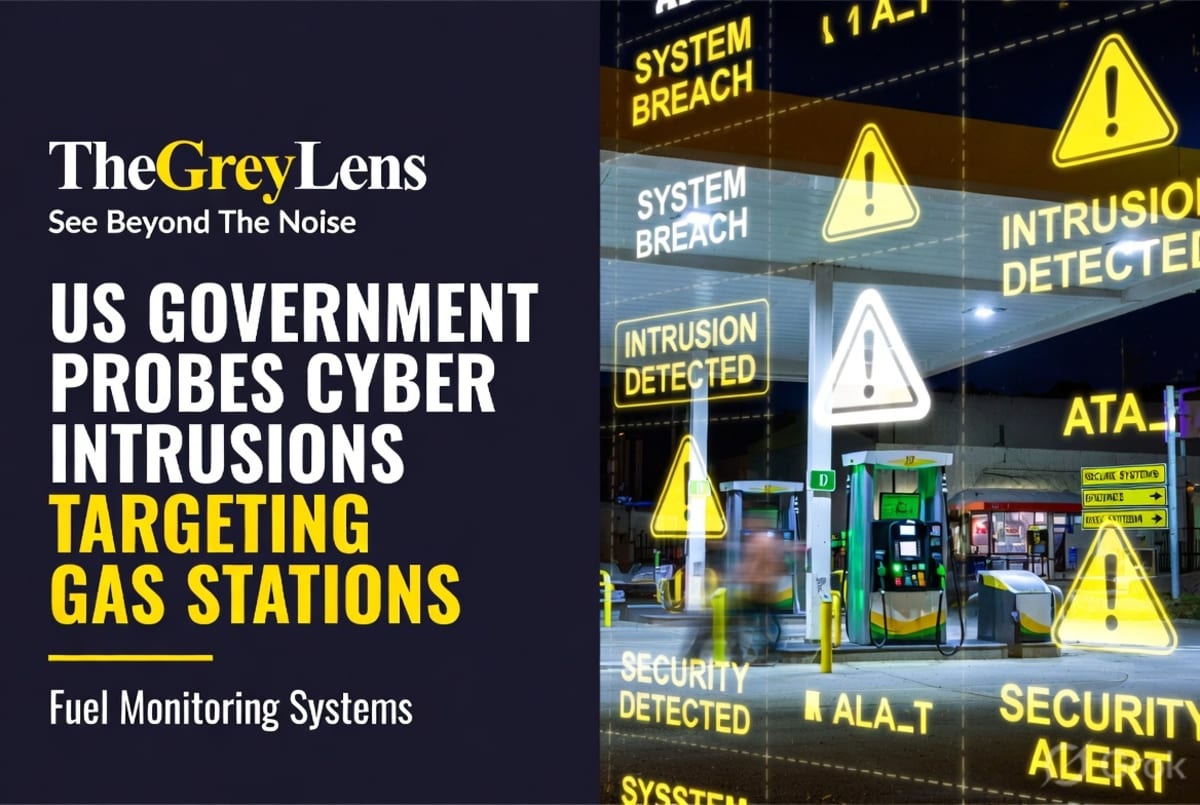
U.S. officials are actively investigating a series of cyber intrusions that have targeted automatic tank gauge systems used to monitor fuel levels at gas stations nationwide. According to a report citing officials and cybersecurity experts, Iran has emerged as a leading suspect in these sophisticated attacks. The breaches, which have raised significant concerns about the security of operational technology (OT) embedded within critical infrastructure, involved attackers exploiting internet-connected tank monitoring systems that lacked basic password protection.
Exploitation of Weaknesses in Operational Technology
The attackers allegedly gained access to these systems, allowing them to manipulate the displayed fuel readings. While officials have stressed that the actual fuel levels within the storage tanks were not altered, the ability to tamper with monitoring data poses a considerable risk. These incidents underscore the broader cybersecurity vulnerabilities present in OT systems, which are often designed with less emphasis on security compared to traditional IT systems. Experts warn that such systems are frequently managed by non-IT professionals and are widely distributed, making them attractive targets for malicious actors.
Broader Implications for Critical Infrastructure
While the immediate impact of these specific breaches did not result in physical damage or injuries, the incidents have ignited a broader discussion about the cybersecurity of critical infrastructure. The potential for unauthorized access to automatic tank gauge systems could theoretically be used to conceal fuel leaks or create operational confusion, leading to significant disruptions. This vulnerability extends beyond gas stations, as similar systems are utilized in various critical sectors, including airports, utilities, manufacturing facilities, and government networks. A 2024 report by BitSight researchers had previously highlighted numerous vulnerabilities affecting automatic tank gauge systems from multiple vendors, warning that thousands of internet-exposed fuel monitoring systems remained at risk.
The investigation into these breaches is ongoing, with officials working to determine the full extent of the compromise and to identify all involved parties. The targeting of fuel-related infrastructure by Iran has been noted, given the country's history of such activities, though attribution can be challenging due to the limited forensic evidence often left behind by sophisticated attackers. The U.S. Cybersecurity and Infrastructure Security Agency (CISA) and other government bodies are expected to release further guidance and alerts to bolster the security of these critical systems.