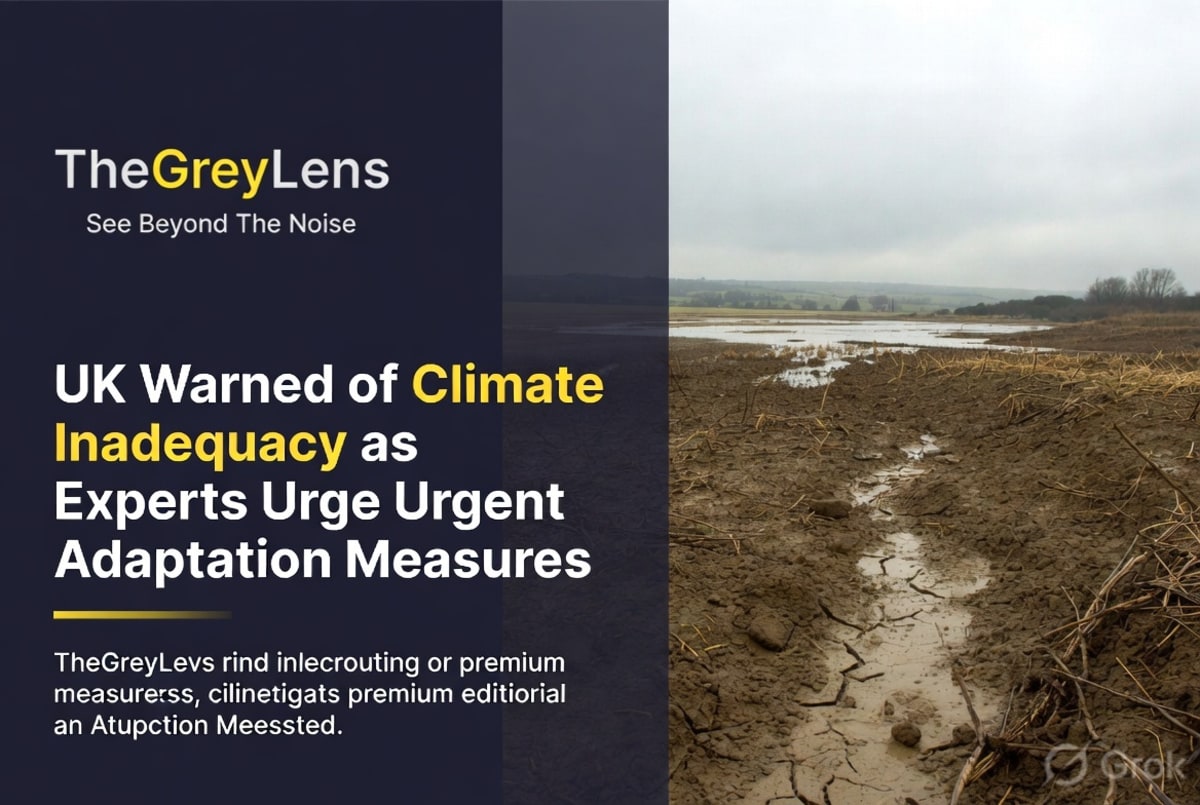
The United Kingdom is "built for a climate that no longer exists," a new report from the Climate Change Committee (CCC) has declared, urging urgent action to bolster the nation's resilience against rising temperatures and extreme weather events. Published on 22 May 2026, the report underscores a critical gap between the UK's current infrastructure and the pressing realities of a changing climate, warning that hotter summers will increasingly strain essential services and public environments.
A Nation Unprepared for Rising Heat
The CCC's findings paint a concerning picture of a nation lagging in its adaptation efforts. The committee has been particularly critical of the government's pace in planning for future climate conditions, stating that current measures are insufficient to improve resilience across buildings, infrastructure, and public services. The report specifically calls for the introduction of a legal maximum working temperature in the UK, noting the absence of such a regulation despite growing concerns about overheating in workplaces during extreme heat. Currently, employers are only required to maintain a "reasonable" workplace temperature, a standard deemed inadequate by the CCC in the face of intensifying heatwaves.
Beyond workplaces, the CCC advocates for the wider implementation of cooling measures in vulnerable settings such as hospitals, care homes, and schools. These environments face heightened health and safety risks as temperatures climb, potentially impacting patient care, the well-being of residents, and the learning environment for students. The report emphasizes that the UK's vulnerability to climate change impacts remains high, necessitating immediate and more robust adaptation strategies.
Calls for Government Action and Policy Shifts
The CCC's assessment adds significant weight to the ongoing discourse surrounding the UK's response to climate change. As heat is increasingly recognized as a significant public health and workplace issue, the committee's warning is expected to intensify discussions around adaptation policy and long-term climate resilience. The report implicitly critiques the current governmental approach, suggesting that a more proactive and comprehensive strategy is required to safeguard the nation against the inevitable consequences of a warming planet.
This stark assessment comes at a time when environmental policy and climate action are under increased scrutiny. The Department for Environment, Food & Rural Affairs (Defra) has been active in publishing policy documents, including framework documents released on 28 May 2026, indicating ongoing governmental engagement with environmental issues. However, the CCC's report suggests that the *implementation* and *effectiveness* of these policies, particularly concerning adaptation, require significant acceleration. The urgency conveyed by the CCC highlights the need for policy decisions that reflect the scientific consensus on climate change and prioritize the immediate safety and long-term sustainability of the UK.
The Path Forward: Resilience and Investment
The CCC's report serves as a critical call to action, emphasizing that adaptation planning must move beyond words to tangible implementation. The committee's findings suggest that substantial investment in resilient infrastructure and updated public service protocols will be essential. As the UK navigates the complexities of decarbonization and climate adaptation, the recommendations from the CCC provide a clear roadmap for policymakers, businesses, and the public to prepare for a future shaped by a changing climate. The future security and prosperity of the nation depend on heeding these warnings and taking decisive action to build a more resilient United Kingdom.