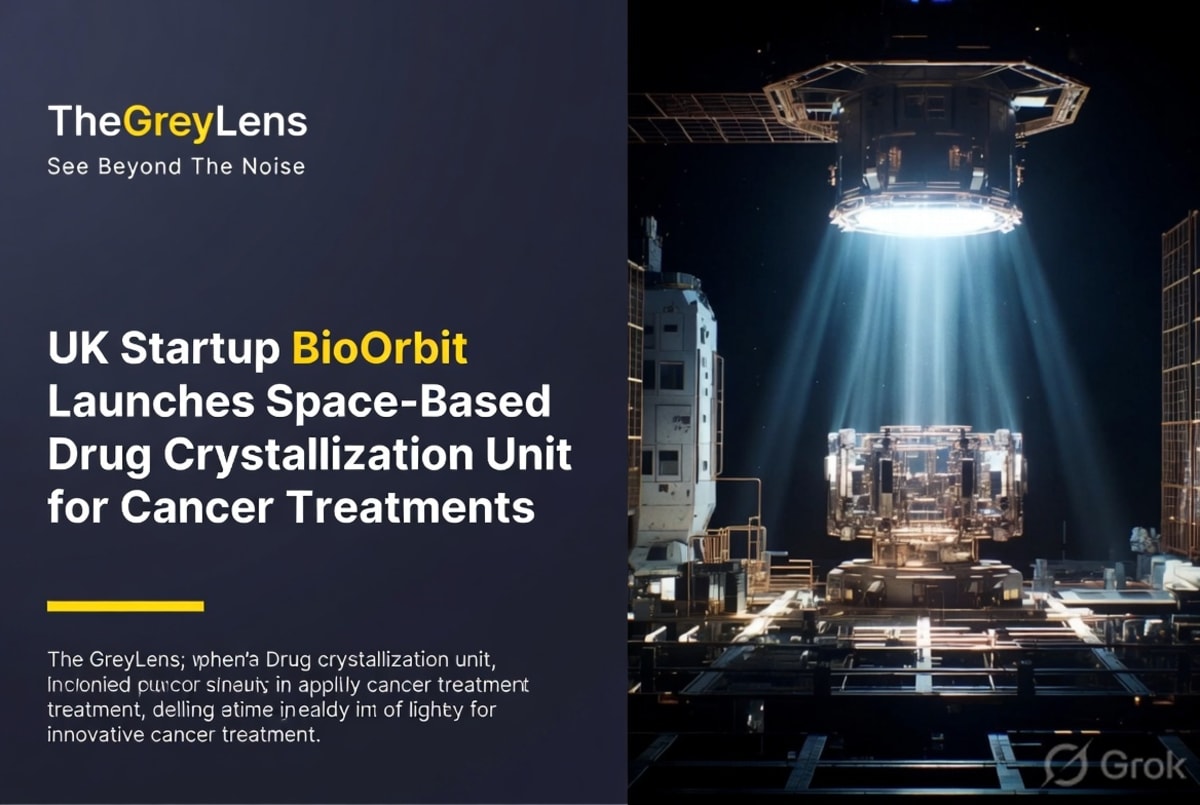
London, UK – May 24, 2026 – A pioneering British startup, BioOrbit, has taken a significant leap forward in pharmaceutical innovation by launching its specialized drug crystallization unit, Box-E, to the International Space Station (ISS). The mission, part of a SpaceX flight that departed on May 15th, is set to unlock new possibilities for creating advanced cancer therapies.
Revolutionizing Cancer Drug Development in Microgravity
The Box-E unit, roughly the size of a microwave, is designed to cultivate ultra-pure protein crystals in the unique environment of space. The absence of gravity on the ISS allows pharmaceutical compounds to crystallize into highly stable and pure structures, a feat not achievable on Earth. These advanced crystals are intended for the development of self-injectable cancer drugs, which could offer patients a more convenient and less burdensome treatment option compared to current intravenous therapies. The goal is to produce medications that patients can administer themselves at home or work, eliminating the need for lengthy hospital visits.
Dr. Katie King, co-founder and CEO of BioOrbit, highlighted the transformative potential of this technology. "Going to space allows for a much better, more superior crystallization process than what we can achieve here on Earth," Dr. King explained. This is particularly critical for large and flexible molecules found in protein and antibody drugs, where gravity can negatively impact crystal formation. BioOrbit anticipates that the crystals grown in orbit will lead to cancer medications with a longer shelf life and improved efficacy.
Significant Funding Fuels Ambitious Space-Based Manufacturing
BioOrbit's ambitious venture is underpinned by substantial financial backing. In April 2026, the company successfully raised £9.8 million in a funding round led by UK venture capital firm LocalGlobe and Paris-based VC Breega. This investment is earmarked for advancing their space-based technology and scaling up hardware for mass production of these specialized crystals. Furthermore, BioOrbit secured a £250,000 contract from the UK Space Agency in March 2026 to further its work in microgravity drug manufacturing.
The company aims to process thousands of liters of fluid per Box-E unit annually, with the potential to produce enough material for blockbuster drugs using multiple units in continuous operation. BioOrbit, founded in 2023 by Dr. King and cancer researcher Dr. Leonor Teles, is already engaging with multinational pharmaceutical companies in the UK and US that have expressed interest in their groundbreaking technology.
The Future of Pharmaceutical Manufacturing Beyond Earth
BioOrbit's efforts align with a growing global interest in space-based manufacturing. Elon Musk's SpaceX, for instance, has identified in-space manufacturing of pharmaceuticals as a key future revenue stream. The company's success could pave the way for other advanced therapies, as approximately 70% of the world's top-selling drugs are currently administered intravenously. The ability to produce more stable and potent drug formulations in space could address a wide range of medical needs. Other startups, such as Varda Space Industries, are also exploring similar avenues, collaborating with companies like United Therapeutics Corporation to develop treatments for rare diseases. BioOrbit's successful launch and ongoing mission represent a significant step in translating the unique conditions of space into tangible benefits for human health on Earth.