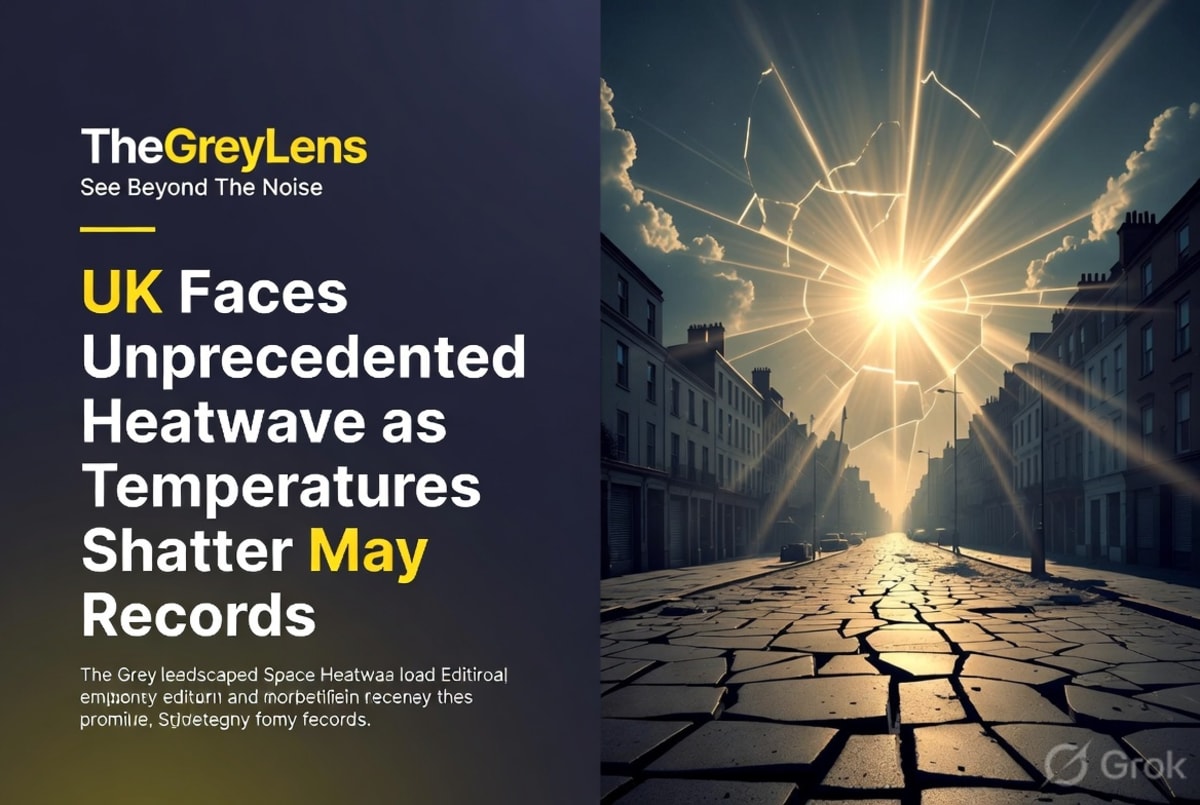
Record-Breaking Temperatures Grip the Nation
The United Kingdom is currently grappling with an unprecedented heatwave, shattering long-standing May temperature records. On Sunday, May 25, 2026, provisional data from the Met Office revealed that temperatures reached a scorching 34.8°C at Kew Gardens in London, marking the hottest day ever recorded in May for the UK. This remarkable figure significantly surpasses the previous May record of 32.8°C, which was first set in 1922 and matched in 1944. The intensity of this heatwave is considered unprecedented for the time of year, as records are typically broken by much smaller margins. Similar high temperatures were recorded across southern and eastern England, with numerous locations exceeding 30°C and some even approaching 35°C. This surge in heat has officially pushed many areas into heatwave conditions, defined by consecutive days of temperatures exceeding regional thresholds.
Climate Change Fuels Unprecedented Heat
Meteorologists and climate scientists are pointing to human-induced climate change as a significant driver behind this extreme weather event. A study by the Met Office indicates that the likelihood of surpassing the May temperature record has tripled in the current climate compared to a natural climate unaffected by greenhouse gas emissions. What was once considered a 1-in-100-year event is now estimated to be a 1-in-33-year occurrence. The Met Office has warned that such heatwaves are becoming more frequent and intense, with temperatures that were once rare even in mid-summer now occurring earlier in the year. This phenomenon is attributed to a hotter atmosphere acting as a heat reservoir and potentially more persistent high-pressure systems that allow heat to build and linger. The current heatwave is characterized by prolonged periods of exposure, a shift from historical patterns where heatwaves were typically shorter and occurred later in the summer. Experts emphasize that cutting emissions to net zero is the only way to mitigate the escalating impacts of climate change and limit future extreme weather events.
Health Warnings and Societal Impact
The extreme heat has prompted widespread health warnings across England. The UK Health Security Agency (UKHSA) has issued amber and yellow heat health alerts, advising the public to take precautions, particularly for vulnerable groups such as the elderly, infants, and individuals with pre-existing health conditions. These alerts highlight the potential for significant impacts on health and social care services, including a rise in deaths and increased demand on hospitals and care homes, which may also overheat. Officials are urging people to stay hydrated, seek shade during peak hours, and check on neighbours and relatives who may be more susceptible to the heat. The surge in temperatures has also led to increased demand for water, straining supplies in some areas, and has contributed to packed beaches and parks as people seek to enjoy the unseasonably warm weather. There is also a heightened risk of wildfires and potential disruption to transport systems if the intense heat persists throughout the summer.
The forecast suggests that while temperatures may slightly decrease mid-week, they are expected to remain elevated, with highs in the low 30s Celsius continuing for several days. The Met Office will continue to monitor the situation, and provisional records will undergo a formal validation process before being officially entered into the UK meteorological record books. The ongoing heatwave serves as a stark reminder of the evolving climate and the need for adaptation and mitigation strategies to address the increasing frequency and intensity of extreme weather events.