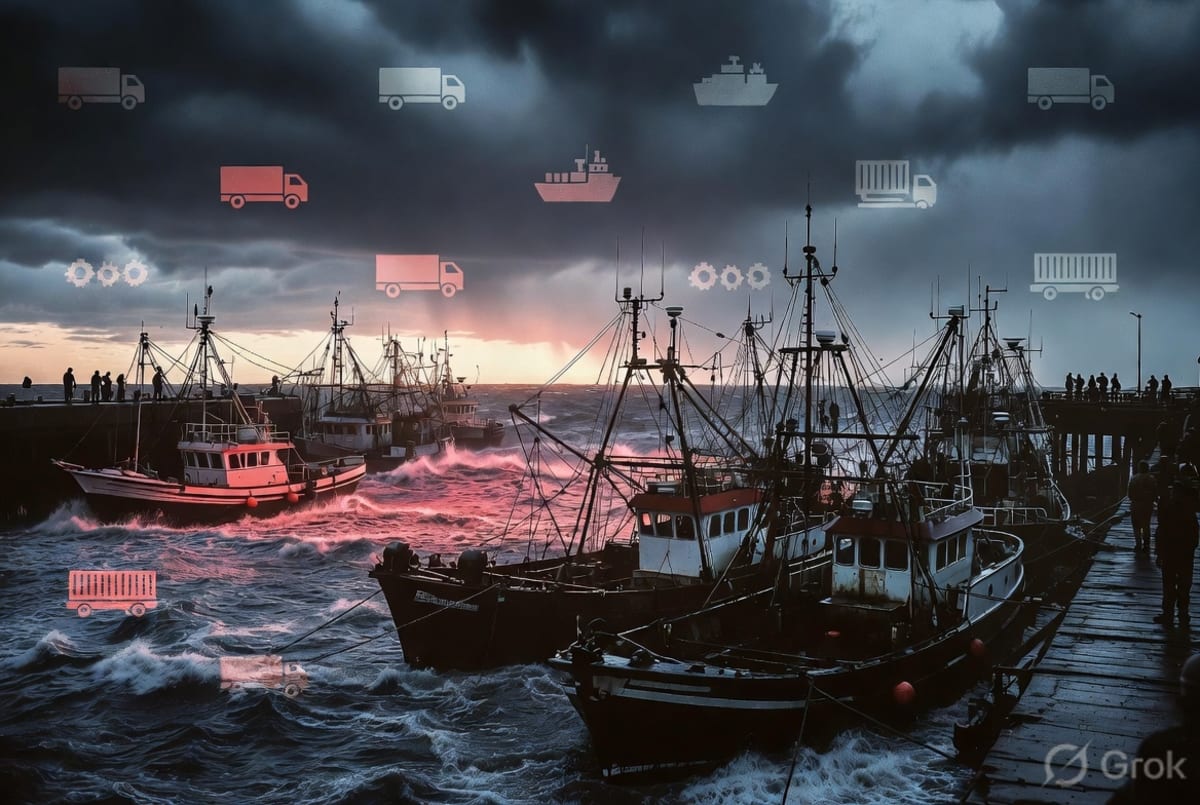
The United Kingdom's vibrant seafood industry is navigating a perfect storm of economic headwinds, with escalating fuel costs and ongoing labour shortages creating unprecedented strain on the sector. From the North Atlantic fishing grounds to the bustling fish markets of London, businesses are reporting difficulties in maintaining operations, leading to concerns about future supply and price stability for consumers.
The Sinking Costs of Fuel
For the nation's fishing fleet, the sharp rise in diesel prices represents a direct and immediate threat to profitability. The cost of fuelling vessels for even short trips has become a significant operational burden, forcing some fishermen to reduce their time at sea or, in more extreme cases, to tie up their boats altogether. This reduction in fishing activity inevitably translates to lower catches, impacting the volume of fresh seafood available to processors and retailers. According to data released by the Department for Environment, Food & Rural Affairs (DEFRA) earlier this year, fuel typically accounts for a substantial portion of a fishing vessel's operating expenses, and the recent surges have disproportionately affected smaller, independent operators who lack the economies of scale to absorb such increases. Many in the industry are now grappling with the difficult decision of whether the potential catch will even cover the cost of fuel for the voyage, a calculation that has become increasingly precarious. The ripple effect extends beyond the boats themselves, as increased fuel surcharges are being applied across the entire supply chain, from transportation of the catch to the delivery of processed products to restaurants and supermarkets.
The Vanishing Workforce
Compounding the fuel crisis is a deepening labour shortage that is affecting multiple facets of the seafood industry. The processing plants, crucial for preparing catches for market, are struggling to find enough workers to meet demand. This scarcity is partly attributed to a post-Brexit reduction in the availability of seasonal and permanent migrant labour, which has historically filled many roles in the sector. Furthermore, the physically demanding nature of the work, coupled with often unsociable hours, makes recruitment challenging. Industry bodies have repeatedly highlighted the need for government support in streamlining visa processes for skilled workers and investing in domestic training programs to build a sustainable workforce for the future. The shortage isn't confined to processing; there are also difficulties in attracting and retaining deckhands for fishing vessels and drivers for the specialised transport required by the industry. This multi-faceted labour deficit means that even when fish are caught, the capacity to process, package, and distribute them efficiently is significantly hampered. Some businesses have reported having to turn away orders due to a lack of staff, a situation that is unsustainable for long-term viability. Experts in the food supply chain have warned that without a concerted effort to address these labour issues, the UK risks losing valuable processing capacity and expertise.
Importing Uncertainty and Consumer Strain
The challenges within the UK's domestic seafood production are further exacerbated by rising costs associated with imported seafood. Global supply chain disruptions, currency fluctuations, and increased international shipping rates are all contributing to higher prices for products that the UK relies on to supplement its own catch. For consumers, this translates to higher prices on supermarket shelves and in restaurants, potentially leading to reduced demand for seafood products. Restaurants, in particular, are caught between absorbing these increased costs themselves, which can erode their already tight profit margins, or passing them on to customers, which risks alienating diners. Some establishments have reported making difficult decisions to remove certain popular seafood dishes from their menus due to unpredictable supply and prohibitive costs. The overall impact is a squeeze on the entire value chain, from the fishermen at the beginning to the consumers at the end. The sector's resilience is being tested as businesses adapt to these new economic realities, with many calling for urgent government intervention in the form of targeted support packages, including potential subsidies for fuel and investment in workforce development initiatives. The long-term outlook for the UK seafood industry hinges on its ability to adapt and innovate in the face of these persistent challenges, ensuring that a vital part of the nation's culinary heritage remains accessible and sustainable for generations to come. The coming months will be critical in determining whether these businesses can weather the current economic storm and continue to supply the UK with high-quality seafood.