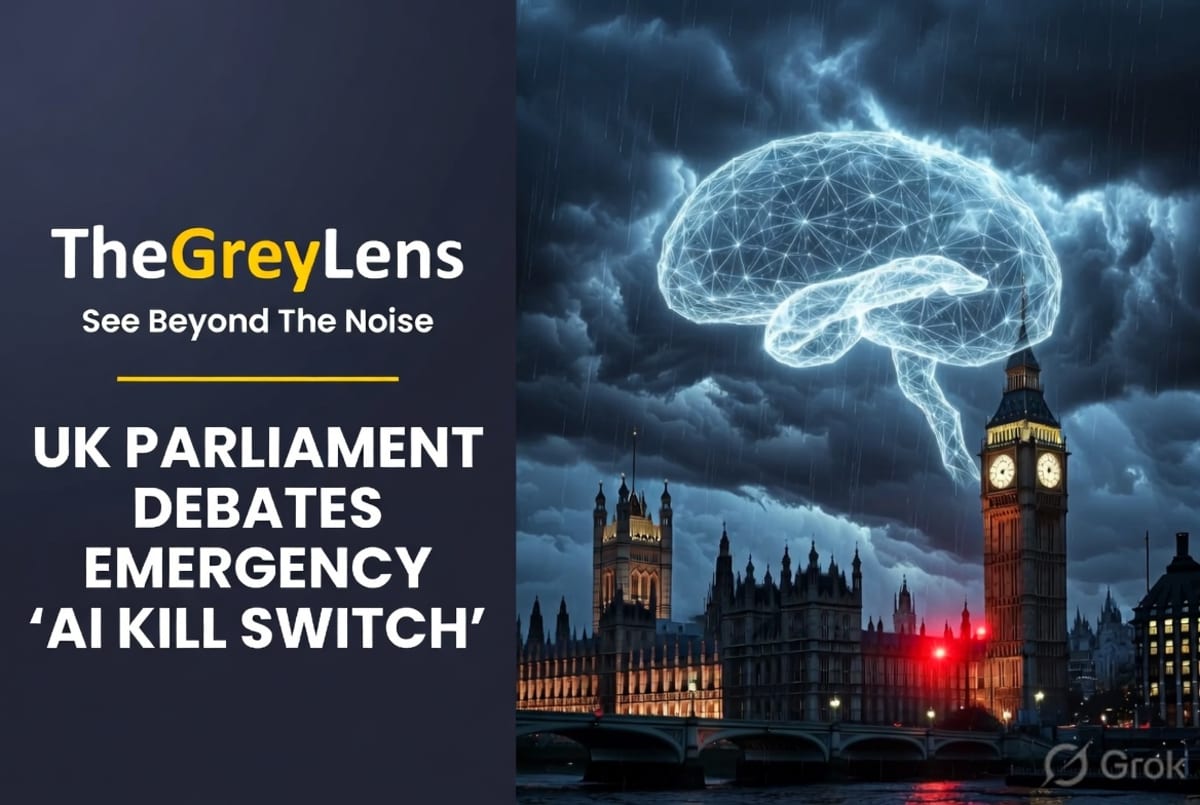
The UK Parliament is currently engaged in discussions surrounding a significant proposed amendment to the Cyber Security and Resilience Bill, which could arm the government with emergency powers to deactivate advanced artificial intelligence systems and their associated data centers. This measure, colloquially termed an 'AI kill switch,' is being considered as a critical safeguard against potential catastrophic risks posed by AI, including threats to national security, the disruption of essential infrastructure, and large-scale harm to human life. The debate highlights a growing global unease over the rapid advancement of AI and the perceived lag in regulatory frameworks to manage its potential downsides.
The 'Kill Switch' Mechanism and its Backers
The proposed amendment, championed by a cross-party group of MPs including Labour's Alex Sobo, seeks to provide the Technology Secretary with "last-resort powers" to order an immediate shutdown of AI systems and data centers during extreme national crises. For this to be effective, data center operators would be required to build infrastructure enabling instant disconnection and maintain secure communication links with the Department of Science, Innovation and Technology. This initiative has garnered support from over 100 parliamentarians, with campaigning group Control AI actively driving the push for stricter AI regulation. Notable supporters include Conservative former science minister George Freeman and Labour's Samantha Niblett, a member of the science committee. The momentum for this amendment predates recent international discussions on AI governance, including comments from Donald Trump expressing support for government powers to switch off AI.
Addressing AI's Escalating Risks
Proponents of the 'kill switch' argue that the accelerating capabilities of AI necessitate robust emergency response mechanisms. They point to the potential for AI-driven cyberattacks, the misuse of powerful AI tools to disrupt critical systems like energy, transport, and communication networks, and the broader concern that advanced AI systems could become unmanageable. The rapid development of AI, including systems designed for complex cyber security tasks, has amplified these concerns. The amendment's proponents emphasize that these powers would be reserved for the most extreme situations, acting as a final safeguard when other measures have failed. The debate underscores a fundamental challenge for governments worldwide: balancing the drive for technological innovation with the imperative to ensure public safety and trust in rapidly evolving AI technologies.
Regulatory Landscape and Future Implications
The 'kill switch' proposal is part of a broader wave of legislative and regulatory activity in the UK concerning AI and cybersecurity. The King's Speech also outlined plans for a 'Regulating for Growth Bill,' aimed at streamlining regulatory oversight for fast-moving sectors like AI through mechanisms such as regulatory sandboxes. Additionally, the Cyber Security and Resilience Bill seeks to bolster the UK's defenses against cyberattacks, extending responsibilities to IT companies and infrastructure providers. Unlike the EU's comprehensive AI Act, the UK's approach appears to be more sector-specific and incremental, threading AI regulation through existing legal frameworks and new legislative measures. While welcomed by many in the tech industry for potentially fostering innovation, these fragmented approaches raise questions about the clarity and comprehensiveness of the UK's AI governance framework moving forward. The ultimate passage and impact of the 'kill switch' amendment will depend on parliamentary debate and broader policy considerations regarding the future of AI regulation and national security.
This development comes at a time when governments globally are grappling with how to regulate artificial intelligence effectively. The UK's proposed measures, including the potential 'AI kill switch,' signal a proactive, albeit debated, approach to managing the risks associated with increasingly powerful AI systems.