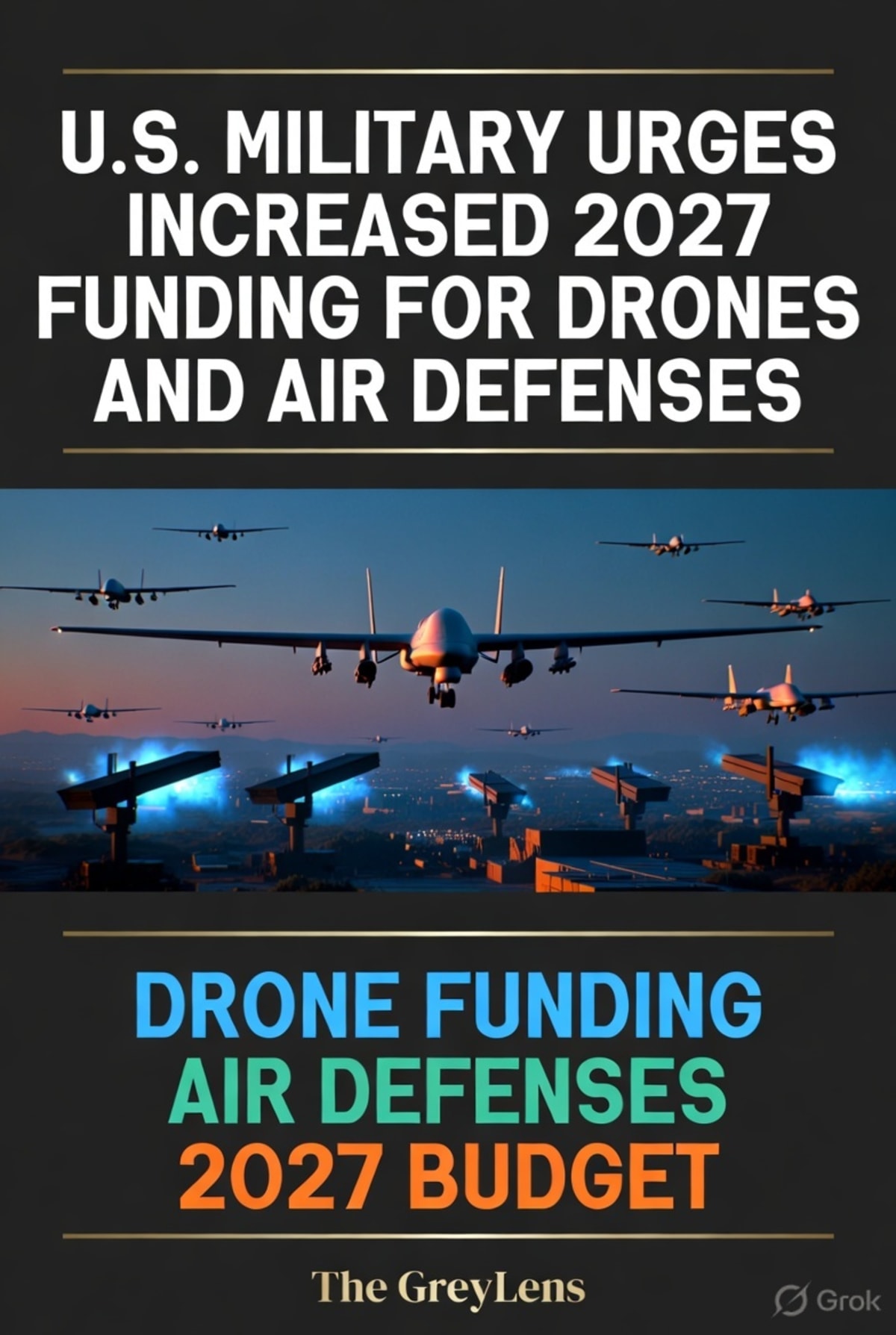
The U.S. military is signaling a strong push for increased defense spending in its 2027 budget, with a particular emphasis on augmenting its drone fleet and air defense systems. According to sources within the Pentagon, this strategic financial adjustment is directly linked to the evolving security landscape and the persistent threat posed by Iran and its proxies in the Middle East. The proposed budget increase is intended to accelerate research, development, and procurement of cutting-edge unmanned aerial vehicles and sophisticated missile defense platforms, equipping U.S. forces with superior capabilities to deter aggression and respond effectively to potential conflicts. This proactive approach underscores a commitment to maintaining technological superiority and operational readiness in a region marked by significant geopolitical complexities.
This intensified focus on drones and air defense comes in the wake of recent escalations and observed Iranian military posturing, which defense analysts suggest necessitate a robust and forward-looking response. The military's internal assessments, as reported by established news outlets, highlight the critical role these technologies played in recent engagements and the projected need for even more advanced systems to counter emerging threats. The proposed funding boost is not merely about acquiring more hardware, but also about investing in the integration of artificial intelligence, enhanced electronic warfare capabilities, and improved command-and-control networks to ensure seamless operation of these advanced assets. This comprehensive strategy aims to provide commanders with a wider array of options and a greater degree of situational awareness in high-stakes environments.
The human impact of such budgetary shifts, while often indirect, is significant. For the service members who will operate and maintain these advanced systems, it means access to state-of-the-art equipment designed to enhance their safety and effectiveness. For allies in the region, it signals continued U.S. commitment to regional security and stability, potentially deterring adversaries and fostering a more predictable security environment. Furthermore, increased investment in these high-tech defense sectors can stimulate innovation and job creation within the defense industry, with ripple effects extending to related technological fields. The long-term implications of this proposed spending plan will be closely watched by policymakers, defense contractors, and international observers as the U.S. military seeks to adapt its capabilities to the challenges of the 21st century.