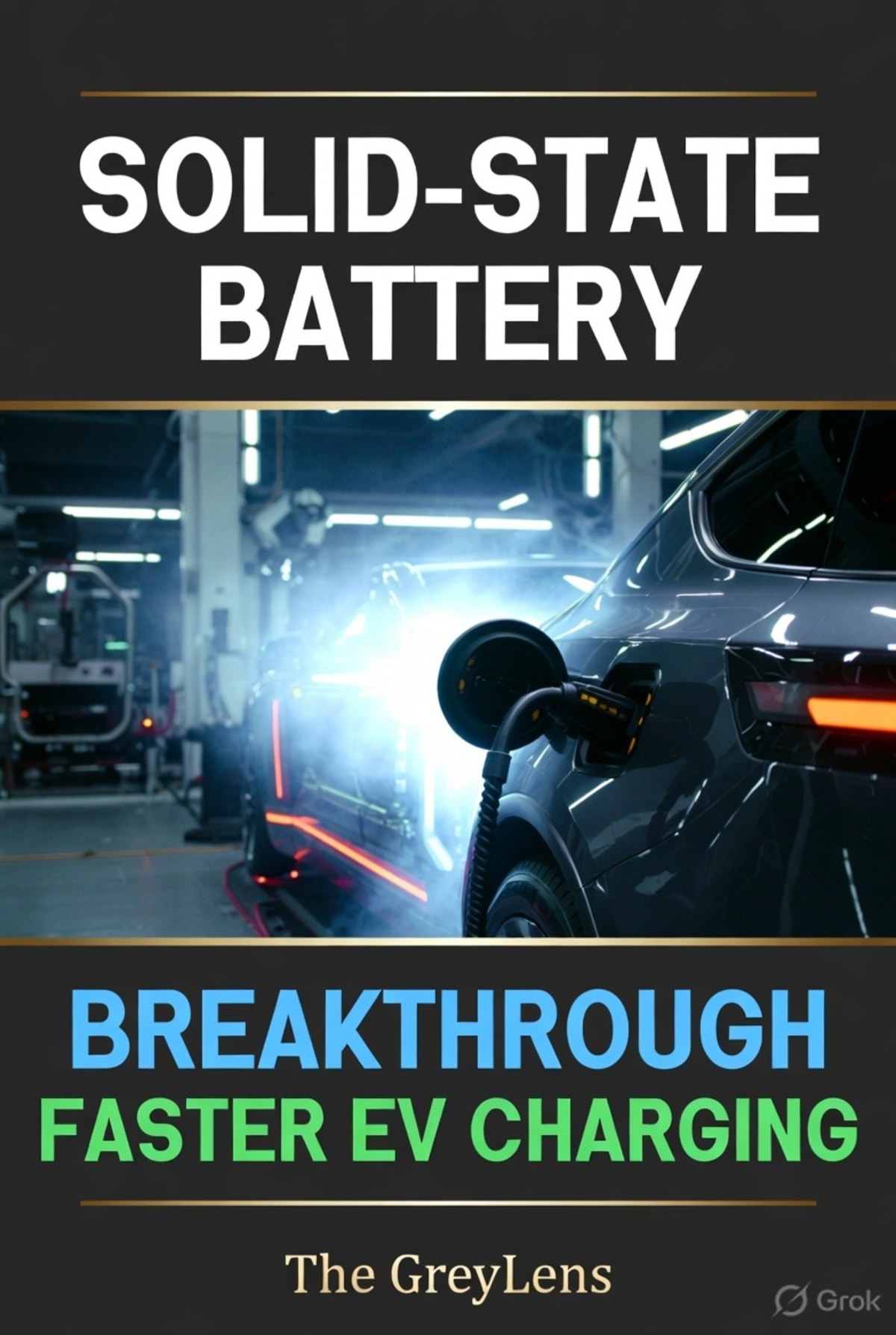
QuantumScape, a leader in solid-state battery development, has achieved a critical performance benchmark with its next-generation battery cells, a development that could accelerate the adoption of electric vehicles by addressing key consumer concerns around charging speed and range. The company, backed by major automotive players, announced today that its prototype cells have successfully completed over 1,000 charging cycles while retaining over 90% of their original capacity. This achievement represents a substantial leap forward from previous iterations and brings the commercial viability of solid-state batteries closer to reality. Industry observers, including those at Bloomberg, have noted that this breakthrough directly tackles the limitations of current lithium-ion technology, which often requires lengthy charging times and degrades more rapidly over time.
Background & Context
For years, the electric vehicle industry has been searching for battery solutions that can match the convenience of internal combustion engine vehicles, particularly in terms of refueling time. Traditional lithium-ion batteries, while improving, still face challenges related to energy density (how much energy can be stored per unit of weight or volume) and degradation over time, leading to reduced range and the need for eventual battery replacement. Solid-state batteries, which replace the liquid electrolyte found in conventional batteries with a solid material, offer the potential for higher energy density, improved safety due to the elimination of flammable liquid electrolytes, and longer lifespans. However, manufacturing these batteries at scale and ensuring their performance under real-world conditions have been significant hurdles. QuantumScape's work is seen as at the forefront of overcoming these obstacles, with a focus on simplifying the manufacturing process and enhancing cell durability.
Key Details
The pivotal achievement reported by QuantumScape involves their proprietary solid electrolyte material and anode design. According to the company's press release, the prototype cells were subjected to rigorous testing protocols designed to simulate years of daily use. The data indicates that the cells maintained exceptional performance even after enduring 1,000 full charge-discharge cycles, a level of durability that has eluded many solid-state battery research efforts. Furthermore, the company highlighted that these tests were conducted under conditions that mimic real-world driving scenarios, including varying temperatures and charge rates. This sustained performance is crucial for consumer confidence and the long-term economic viability of EVs, as it suggests a reduced need for battery replacements and a more consistent driving experience over the vehicle's lifespan. The implications of this milestone are substantial, as it validates QuantumScape's technological approach and strengthens its position in the competitive landscape of advanced battery manufacturing.
What This Means
For consumers looking to transition to electric vehicles, this advancement from QuantumScape could mean significantly reduced charging times, potentially bringing them closer to the few minutes it takes to refuel a gasoline car. Imagine an EV that can gain hundreds of miles of range in under 15 minutes, a prospect that would alleviate range anxiety, a major barrier to EV adoption. Beyond charging speed, the extended lifespan of these solid-state batteries means that the total cost of ownership for an EV could decrease, as the need for expensive battery pack replacements in later years diminishes. This could make EVs a more financially attractive option for a broader segment of the population. For automotive manufacturers, this breakthrough offers a clear path towards developing next-generation EVs with superior performance characteristics, potentially giving them a competitive edge. The enhanced safety profile of solid-state batteries also reduces risks associated with thermal runaway, a concern that has, in some instances, affected lithium-ion powered vehicles.
The path to mass production still involves scaling up manufacturing capabilities and further cost reductions. However, this recent performance validation from QuantumScape provides a strong signal to the market that the era of truly convenient and long-lasting electric vehicles is drawing nearer. The company's ongoing collaborations with established automakers are expected to accelerate the integration of this technology into production vehicles. The successful demonstration of these performance metrics represents a crucial step in bridging the gap between laboratory innovation and market-ready products, aiming to satisfy the growing demand for sustainable transportation solutions. As the technology matures, we can anticipate a gradual but impactful shift in the automotive industry, driven by the promise of safer, faster-charging, and more durable electric vehicles.