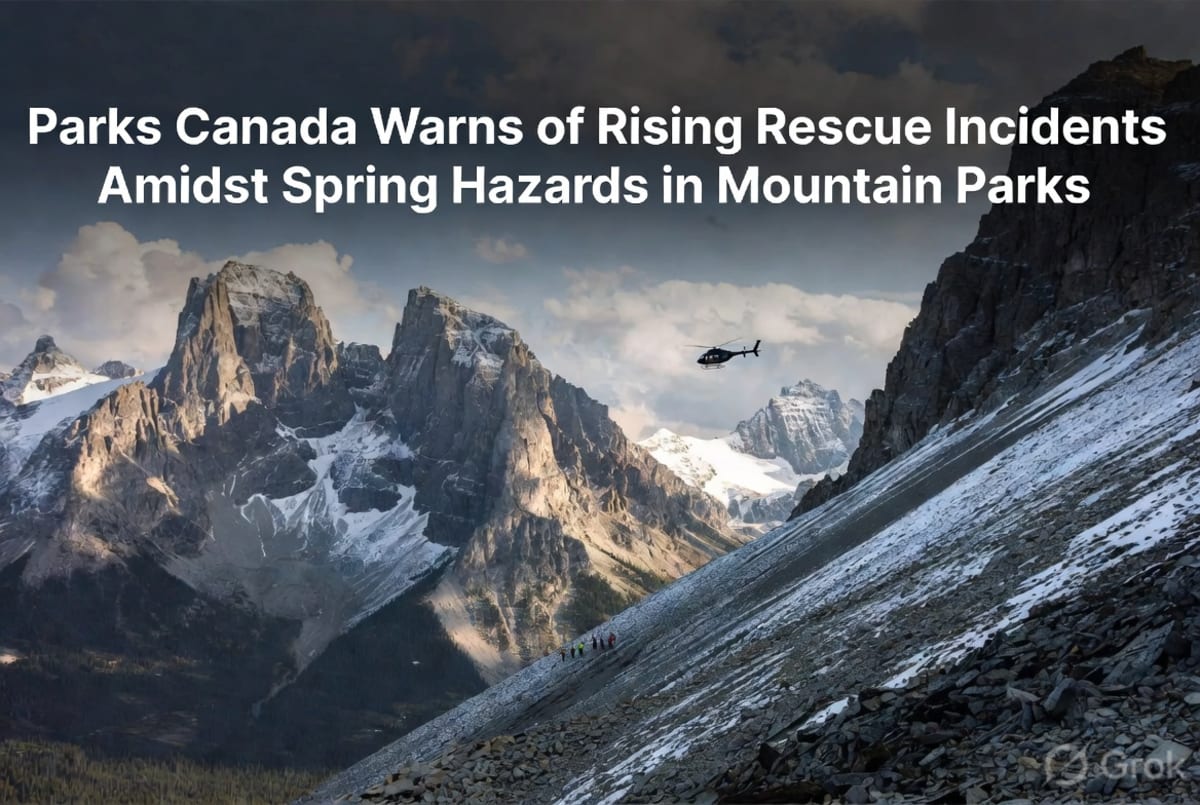
Parks Canada is urging visitors to the nation's beloved mountain parks to exercise extreme caution this spring, as an uptick in search and rescue operations highlights the growing dangers posed by unpredictable weather and terrain conditions. The agency has noted a significant increase in calls for assistance, particularly in the Bow Valley and surrounding areas, prompting a renewed emphasis on preparedness and responsible backcountry travel.
Springtime Perils: Avalanches and Icy Trails
As winter's grip loosens, spring in the Canadian Rockies brings a unique set of challenges that can quickly turn a day hike into an emergency. Parks Canada spokesperson Justin Brisbane emphasized that many popular hiking routes remain exposed to avalanche terrain well into the spring months, even when valley floors appear clear. "Spring conditions in the Rockies can create serious and often unpredictable hazards for visitors," Brisbane stated. "One of the biggest concerns this time of year is avalanche danger." Compounding these risks are lingering snow and ice on many trails, creating deceptively slippery surfaces. Officials recommend that hikers carry ice cleats and remain vigilant around unstable snowpacks that can suddenly collapse, leading to unexpected falls into deep snow. This rise in incidents is not isolated; according to the Bow Valley Insider, search and rescue incidents in the region saw a 19 percent increase in 2025 alone. This trend is attributed to a confluence of factors, including growing tourism numbers which place more people in potentially hazardous areas, and a common underestimation by visitors of how rapidly mountain conditions can change. Many calls are directly related to slips and falls on steep or unstable ground, underscoring the need for proper footwear and careful navigation.
Preparedness is Paramount for Mountain Adventures
In response to the escalating number of rescues, Parks Canada is reinforcing the message that thorough preparation is the most effective way to mitigate risks. Visitors are strongly advised to research their intended trails meticulously, paying close attention to current conditions, avalanche forecasts, weather reports, and the difficulty of the terrain. Understanding the necessary equipment for the specific conditions is also crucial. Beyond checking the forecast, experts highlight the importance of informing someone of your hiking plans, including your intended route and expected return time. This simple step can significantly aid rescue efforts if something goes wrong. The increase in rescue calls is not solely a seasonal issue; data suggests an overall rise in incidents in recent years, with tourism in the Canadian Rockies continuing its upward trajectory. This surge in visitor numbers, while beneficial for the economy, inevitably places more individuals in environments where risks are inherent. Rescue crews are increasingly encountering individuals who underestimate the mountain environment, leading to preventable accidents. The dynamic nature of mountain weather means conditions can shift from sunny and warm to dangerous and unpredictable in a matter of hours, a reality that many unprepared visitors fail to fully grasp.
Beyond the Rockies: A National Concern for Outdoor Safety
While the current warnings are focused on the mountain parks, the issue of hiker safety and the strain on search and rescue resources is a broader concern across Canada. Similar warnings have been issued in other regions, highlighting the need for a national approach to outdoor safety education. Yukon Search and Rescue, for instance, works in conjunction with the RCMP to assist in ground and inland water operations, relying heavily on trained volunteers. Their efforts, along with those of countless other SAR teams, are crucial in a territory with vast wilderness and limited infrastructure. Incidents, such as the helicopter extraction of two individuals from a flooding island in the Yukon River near Dawson City on May 7th, demonstrate the diverse range of rescue scenarios faced by these teams. In that instance, the residents were trapped due to a sudden rise in water levels caused by an ice jam, showcasing how natural phenomena can necessitate complex rescue operations. The increased demand on these volunteer-reliant services underscores the importance of the AdventureSmart program, which aims to educate Canadians on safe outdoor recreation. As the number of people venturing into the backcountry continues to grow, the capacity of search and rescue organizations to respond effectively is a critical consideration for public safety across the country. The ongoing challenges faced by Parks Canada and other SAR organizations serve as a stark reminder that the allure of Canada's natural beauty must be tempered with respect for its inherent power and unpredictability, especially during the transitional seasons.