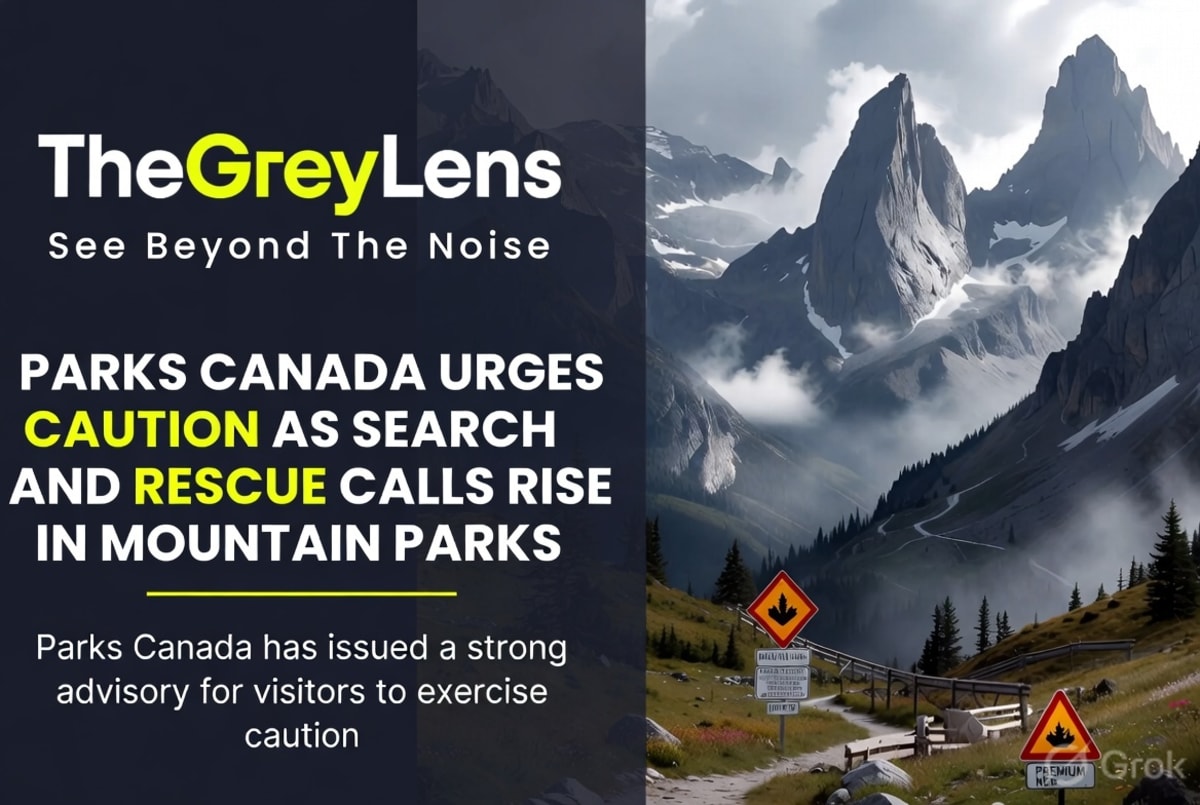
Parks Canada is emphasizing the critical need for caution and thorough preparation among visitors venturing into the nation's mountain parks, as search and rescue teams report a significant uptick in incidents over recent seasons. The Canadian Rockies, a perennial draw for outdoor enthusiasts, are experiencing a rise in calls for assistance, prompting officials to issue updated safety advisories. This trend highlights the ongoing challenges of balancing burgeoning tourism with the inherent risks of wilderness exploration.
Escalating Rescue Operations Amidst Growing Tourism
Search and rescue operations across Canada's mountain parks have seen a notable increase, with reports indicating a 19% rise in incidents in 2025 alone, according to information from the Bow Valley Insider. This surge is largely attributed to the growing popularity of the Canadian Rockies as a tourist destination, leading to more people venturing into potentially hazardous terrain. Parks Canada spokesperson Justin Brisbane noted that spring conditions in the Rockies can present serious and unpredictable hazards, often catching unprepared visitors off guard. The agency's warning underscores a growing concern that many visitors underestimate the rapid changes in weather and the swiftness with which challenging conditions can develop in mountainous environments.
Spring Conditions Pose Unique Dangers
The current spring season presents a unique set of dangers for hikers and adventurers. Avalanche risk remains a significant concern on many popular routes, with some trails remaining exposed to avalanche terrain well into June, even when valley floors appear clear of snow. Routes such as the ascent of Mount Rundle from Banff, the Cory Pass Loop, and various trails around Lake Louise, including those leading to the teahouses and the Plain of Six Glaciers, are specifically mentioned as areas where avalanche danger persists. Parks Canada strongly advises against attempting these routes until mid-June when conditions are typically more stable. Furthermore, lingering snow and ice are creating slippery and hazardous trail conditions. Hikers are urged to carry essential safety gear, including ice cleats, to navigate icy sections safely. The instability of snowpacks also poses a risk, with the potential for sudden collapse that can lead to hikers sinking into deep snow, increasing the risk of injury and becoming stranded.
Preparedness: The Key to Wilderness Safety
In light of these escalating risks, Parks Canada is reinforcing the message that preparedness is paramount for anyone planning outdoor activities. Visitors are encouraged to research trail conditions thoroughly, check avalanche forecasts, and be equipped for a wide range of weather scenarios. Underestimating the mountains' capacity to change rapidly can have severe consequences, and rescue crews often find themselves responding to situations where individuals have exceeded their abilities or been caught out by unexpected weather. The agency stresses that minimizing the demands placed on emergency response, search and rescue teams, and the healthcare system is a shared responsibility. By taking appropriate precautions, adventurers can significantly reduce their risk and ensure a safer, more enjoyable experience in Canada's magnificent natural landscapes. Future adventurers are advised to stay updated on the latest trail conditions and safety bulletins released by Parks Canada for all national parks.