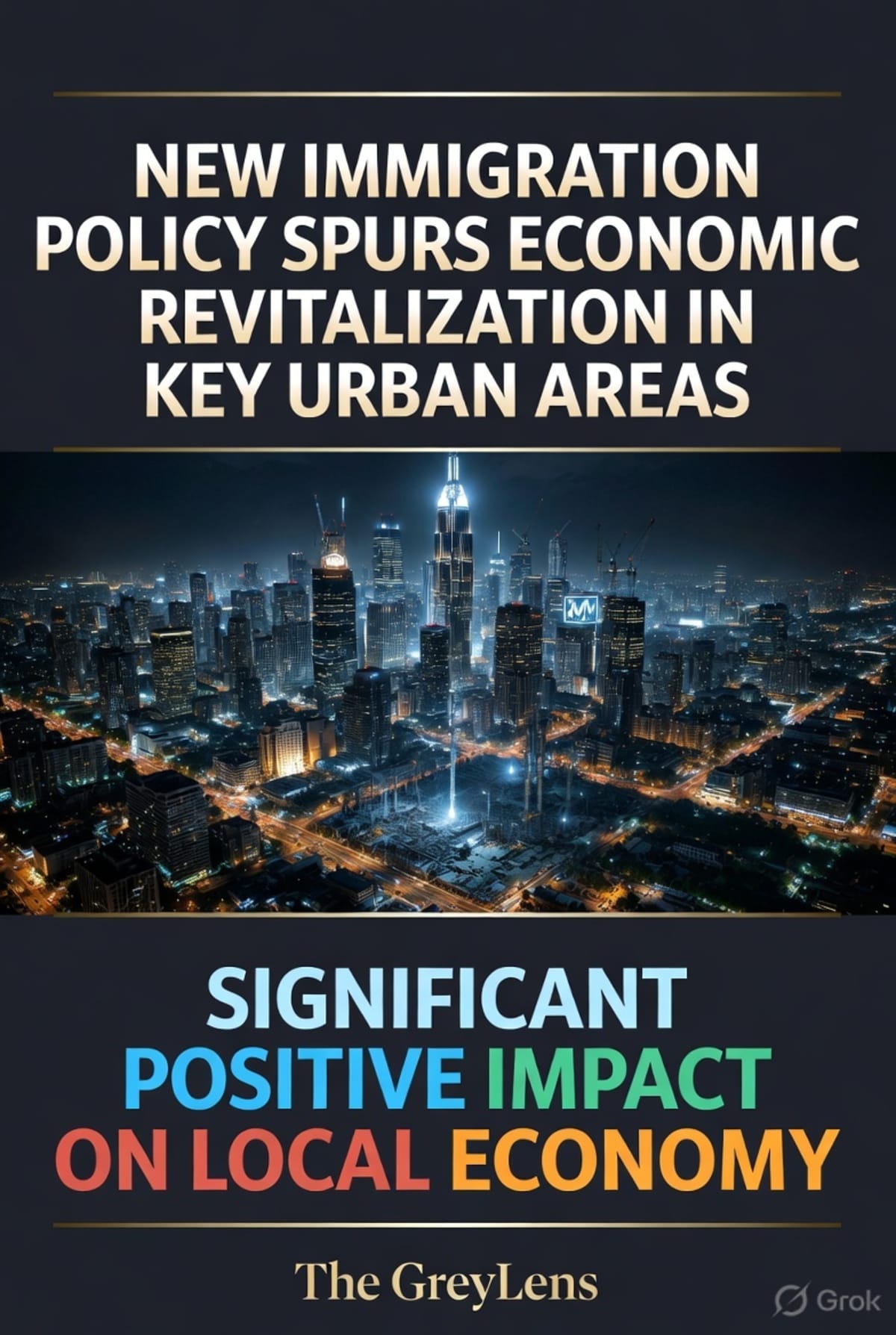
New data emerging from cities that have actively integrated the latest immigration policy suggests a notable uptick in economic activity and community development. The Guardian reports that areas which have seen a concentrated influx of individuals under the new framework are experiencing a renaissance in small business creation and a reduction in unemployment rates, particularly in sectors historically facing labor deficits. This trend indicates that rather than straining resources, strategic immigration can act as a powerful catalyst for economic rejuvenation, providing fresh perspectives and much-needed labor to drive innovation and service provision. The analysis highlights specific examples where immigrant-led businesses are not only surviving but thriving, contributing to the local tax base and creating jobs for both new and established residents.
Further insights from the report indicate that the policy's focus on skilled immigration and streamlined integration processes is key to its success. Local chambers of commerce and community leaders interviewed by The Guardian have noted a positive shift in the availability of specialized skills, from the tech industry to healthcare and skilled trades. This has allowed existing businesses to expand operations and has attracted new investments to these communities. The human element of this policy is also becoming increasingly apparent, with stories emerging of families finding stability and contributing to the cultural fabric of their new homes, leading to more vibrant and diverse neighborhoods. The economic benefits are thus intertwined with social cohesion, creating a more dynamic and resilient society.
While the long-term effects are still under observation, the initial findings offer a promising outlook for regions grappling with demographic shifts and economic stagnation. The policy's success underscores the importance of adaptable and forward-thinking immigration strategies that acknowledge both the economic imperatives and the humanitarian aspects of migration. As more data becomes available, the potential for this model to be replicated in other regions facing similar challenges will be a critical area of focus for policymakers and community stakeholders alike. The evidence suggests a path forward where immigration is viewed not as a burden, but as a vital component of national prosperity and social progress.