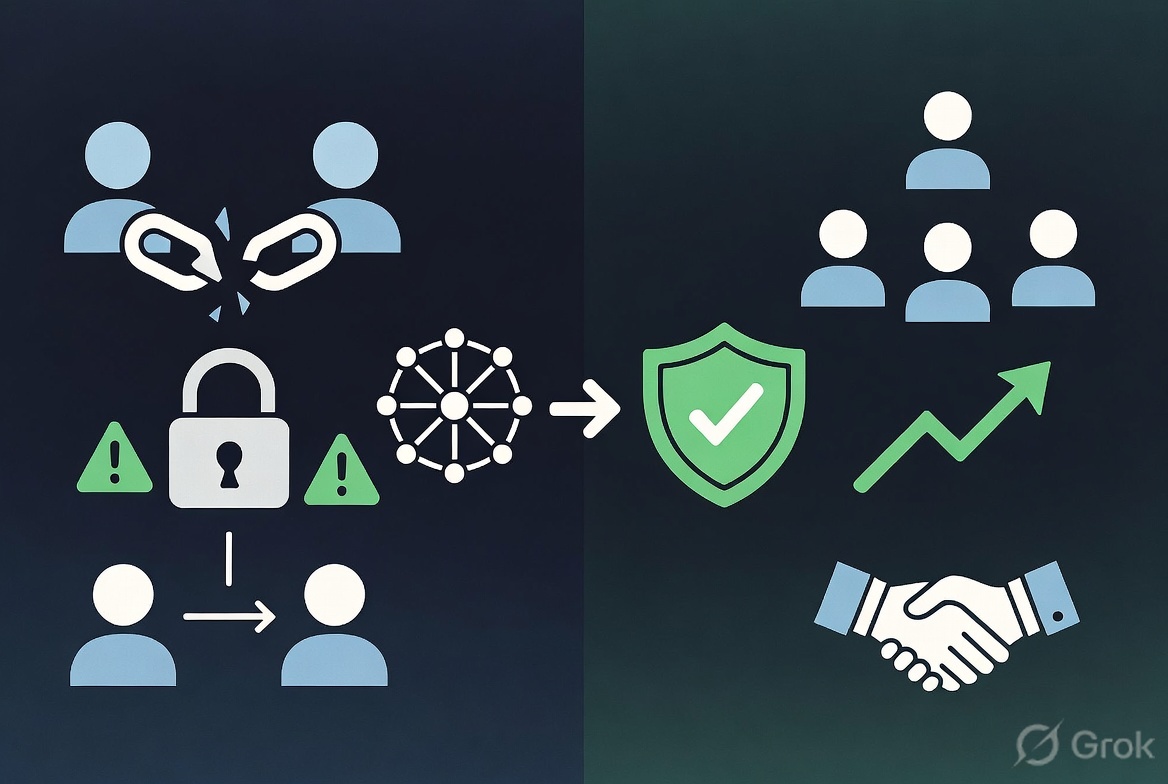




The landscape of entrepreneurship has been dramatically reshaped by the rise of remote work, particularly within the IT sector. For startups in the United States, embracing a remote-first model offers access to a global talent pool and potential cost savings. However, this flexibility comes with a unique set of obstacles. Understanding and proactively addressing the challenges of remote IT startups US is crucial for their survival and success.
Communication and Collaboration in a Distributed Environment
One of the most significant hurdles for remote IT startups is maintaining effective communication and seamless collaboration. In a traditional office setting, informal interactions like water cooler chats or spontaneous brainstorming sessions happen organically. These essential elements of team cohesion and idea generation are harder to replicate when team members are geographically dispersed.
Asynchronous communication across different time zones can lead to delays in responses, potentially slowing down project timelines and causing frustration. Without the benefit of in-person interactions, there's also a higher risk of misinterpretation in digital communication, as tone and body language are absent. To combat this, remote startups must be intentional about fostering communication. This can involve implementing clear guidelines for communication channels, encouraging virtual social events like coffee chats, and utilizing robust project management and collaboration tools. Platforms like Slack, Microsoft Teams, and Asana are vital for keeping teams aligned and informed.
Cybersecurity and Data Protection
For IT startups, cybersecurity is paramount, and this challenge is amplified in a remote setting. With employees working from various locations and often using personal devices, the attack surface for cyber threats expands significantly. Remote workers may be more vulnerable to phishing attacks and may not always be aware of or adhere to company security protocols.
Startups need to implement rigorous cybersecurity measures. This includes providing employees with company-issued equipment, installing necessary security software, regularly updating systems, and establishing clear protocols for handling sensitive data. Virtual Private Networks (VPNs) and strong authentication methods are essential to secure remote access to company resources. Investing in cybersecurity training for all employees is also critical to build a strong defense against evolving threats.
Building and Maintaining Company Culture
Establishing and nurturing a strong company culture is another significant challenge for remote IT startups. The lack of a shared physical space makes it difficult to foster camaraderie, reinforce company values, and create a sense of belonging among employees. Without intentional effort, remote employees can feel disconnected from the organization and their colleagues.
Remote startups must actively work to build a vibrant virtual culture. Strategies include organizing virtual team-building activities, celebrating achievements publicly, promoting transparent communication, and encouraging employee feedback. Companies like Zapier and Buffer have demonstrated success by focusing on autonomy, recognition, and work-life balance to create engaging remote environments. Reinvesting cost savings from reduced office overhead into culture-building initiatives can also be highly effective.
Navigating Legal and Compliance Complexities
Operating a remote IT startup across different states or even countries introduces legal and compliance complexities. Startups must navigate varying labor laws, tax regulations, benefits administration, and classifications of employees versus contractors. Ensuring data privacy compliance, especially with sensitive IT data, is also a critical concern.
Proactively addressing these issues early on is essential. Seeking legal counsel experienced in remote employment and international labor laws can prevent costly mistakes. Utilizing global payroll and HR solutions designed for distributed teams can streamline compliance and administrative burdens.
In conclusion, while the allure of remote work for IT startups in the US is undeniable, the path is fraught with unique challenges. By focusing on clear communication strategies, robust cybersecurity, intentional culture-building, and diligent legal compliance, remote IT startups can effectively navigate these hurdles and lay the foundation for sustainable growth.