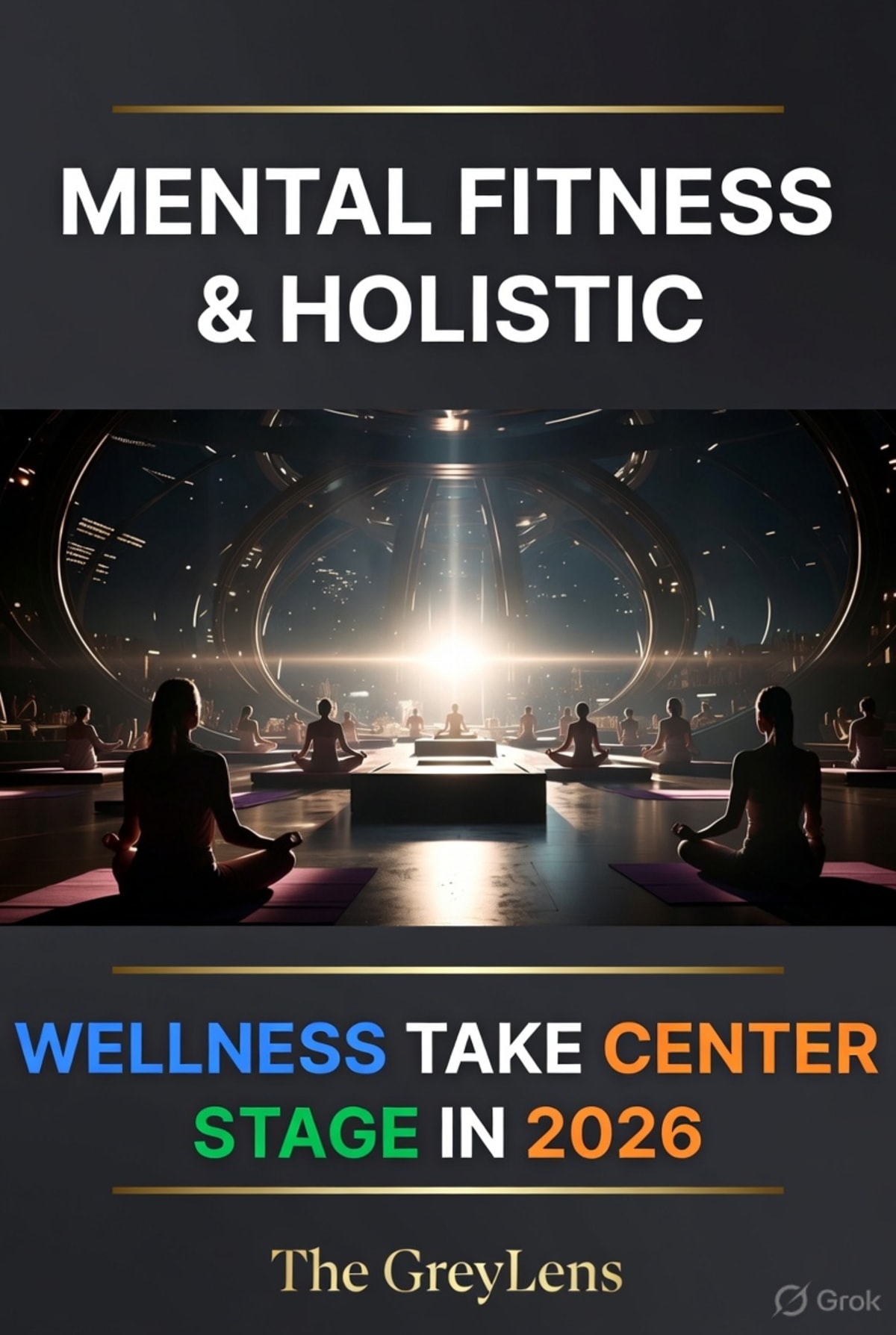
In 2026, the focus on mental health is evolving beyond crisis management to a proactive approach centered on 'mental fitness.' This signifies a broader cultural shift, emphasizing the development of resilience and emotional strength before burnout occurs, much like regular exercise supports physical health. Organizations are increasingly offering resources such as mental health coaching, dedicated 'mental fitness' days, and enhanced employee assistance programs to support this trend. The conversation is moving towards normalizing mental health discussions and equipping managers to recognize early signs of stress and burnout.
This evolution is significantly driven by younger generations, particularly Gen Z and Millennials, who now constitute the majority of the workforce. They prioritize holistic well-being, demanding personalized, science-backed approaches that encompass physical, emotional, and social health. Their expectations are shaping the wellness industry, with a notable emphasis on sleep, stress reduction, and flexibility.
Furthermore, wellness is becoming increasingly personalized and integrated. Trends indicate a move away from one-size-fits-all solutions towards bespoke strategies, whether in supplementation, fitness, or mental health support. This includes a growing recognition of women's health as a critical component of overall well-being, with employers expanding benefits to include fertility, maternity, and menopause support. The longevity market is also pivoting to focus on women's healthspan. Financial resilience is also emerging as a key pillar of workplace wellness, as employees increasingly link financial stress to mental health challenges.
Technological advancements continue to play a role, with AI offering new avenues for mental health support and wearable devices providing deeper health insights. However, there's also a counter-movement towards 'tech abstinence,' advocating for device-free rituals and digital detoxes to combat screen-induced burnout. The overarching theme for 2026 is a more comprehensive, individualized, and proactive approach to well-being, recognizing that true wellness encompasses mental, physical, social, and financial health.