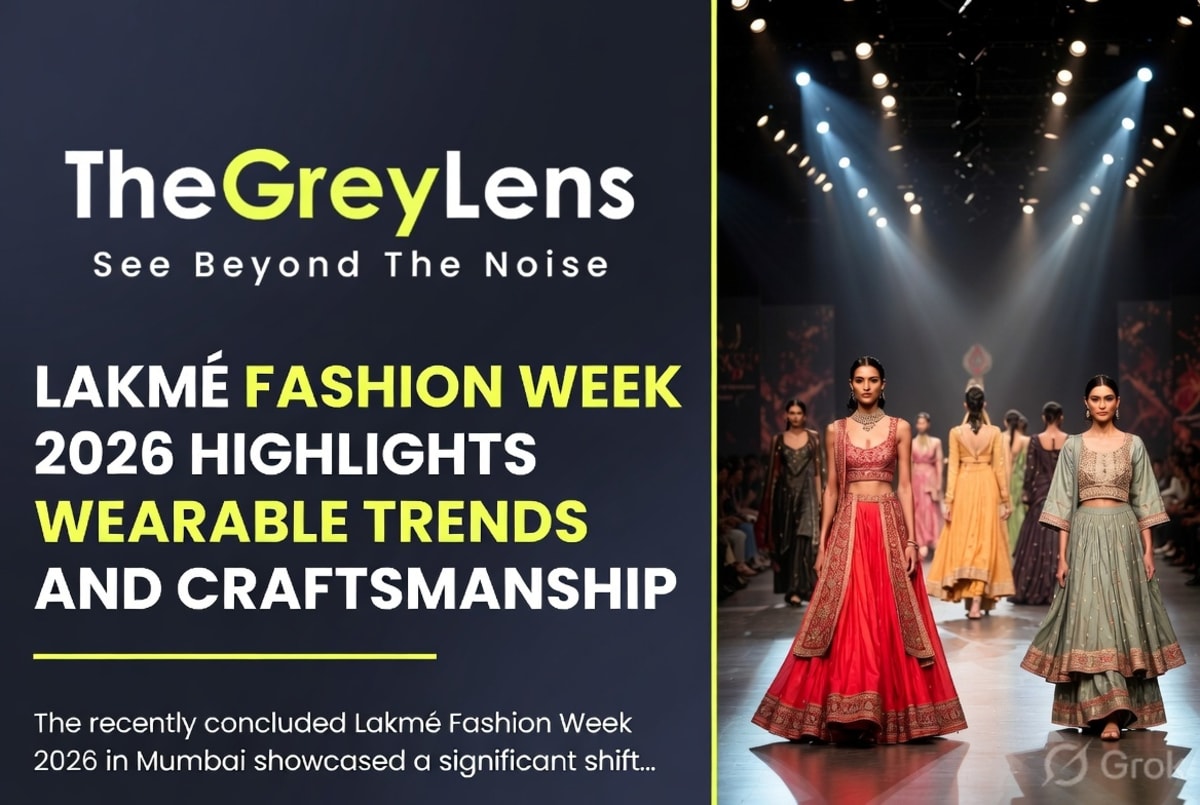
Mumbai, India – Lakmé Fashion Week 2026, held from March 19-22, has concluded, leaving a distinct impression of fashion that is both practical and stylish. The event, a cornerstone of the Indian fashion calendar, underscored a move away from extravagant displays towards collections that resonate with everyday wardrobes, highlighting ease, craftsmanship, and sustainability. This edition saw over 30 designers present their creations across four days, solidifying the event's status as a crucial platform for Indian fashion.
The Dominance of Blue and White
A standout trend that permeated multiple collections was the pervasive use of the blue and white color combination. This palette proved surprisingly versatile, appearing in various interpretations from deep indigo denim and crisp tailoring to elegant evening gowns. Designers like Payal Pratap showcased indigo denim and structured separates, while Abraham & Thakore explored the pairing through clean, architectural pieces and sari-inspired silhouettes. AFEW by Rahul Mishra incorporated the duo into sophisticated eveningwear, and labels such as Pawan Sachdeva and Péro by Aneeth Arora utilized indigo tones extensively throughout their shows. This recurring theme offered a fresh perspective, moving beyond predictable nautical associations.
Wearable Fashion and a Strong Menswear Presence
A key takeaway from Lakmé Fashion Week 2026 was the discernible shift towards making runway fashion more accessible for daily life. Designers consciously leaned into ease and craftsmanship, presenting collections that felt relevant for real-world wear. This sentiment extended to a notable emphasis on contemporary menswear. The week kicked off with "The Boys Club," a dedicated menswear showcase featuring Countrymade, Dhruv Vaish, Sahil Aneja, and Vivek Karunakaran. This initiative highlighted the growing importance of menswear as a distinct category, with designers exploring modern silhouettes through craft techniques like kantha and appliqué, reworked in raw silks.
Craftsmanship and Sustainability Take Center Stage
Beyond aesthetics, the event placed a significant emphasis on craft and sustainability. Designers showcased collections that felt effortless yet refined, featuring printed co-ords, breezy dresses, kaftans, and relaxed tailoring. Labels like Verandah by Anjali Patel Mehta and Satya Paul presented wardrobes designed for real life, demonstrating a commitment to thoughtful design. The overarching theme was a move towards clothing that embraces comfort and artisanal legacy, reflecting a broader industry trend towards conscious fashion choices. The finale, presented by péro founder Aneeth Arora, was titled "Out of Office" and reimagined workwear with a playful yet handcrafted approach, balancing practicality and whimsy. The collection emphasized the intersection of craft, contemporary design, and lifestyle narratives, further cementing the event's focus on wearable artistry.
The future of Indian fashion, as evinced by Lakmé Fashion Week 2026, appears to be one that values thoughtful design, wearability, and a deep connection to artisanal heritage. The runways offered a glimpse into a wardrobe that is both aspirational and attainable, proving that high fashion can indeed coexist with the demands of everyday life.