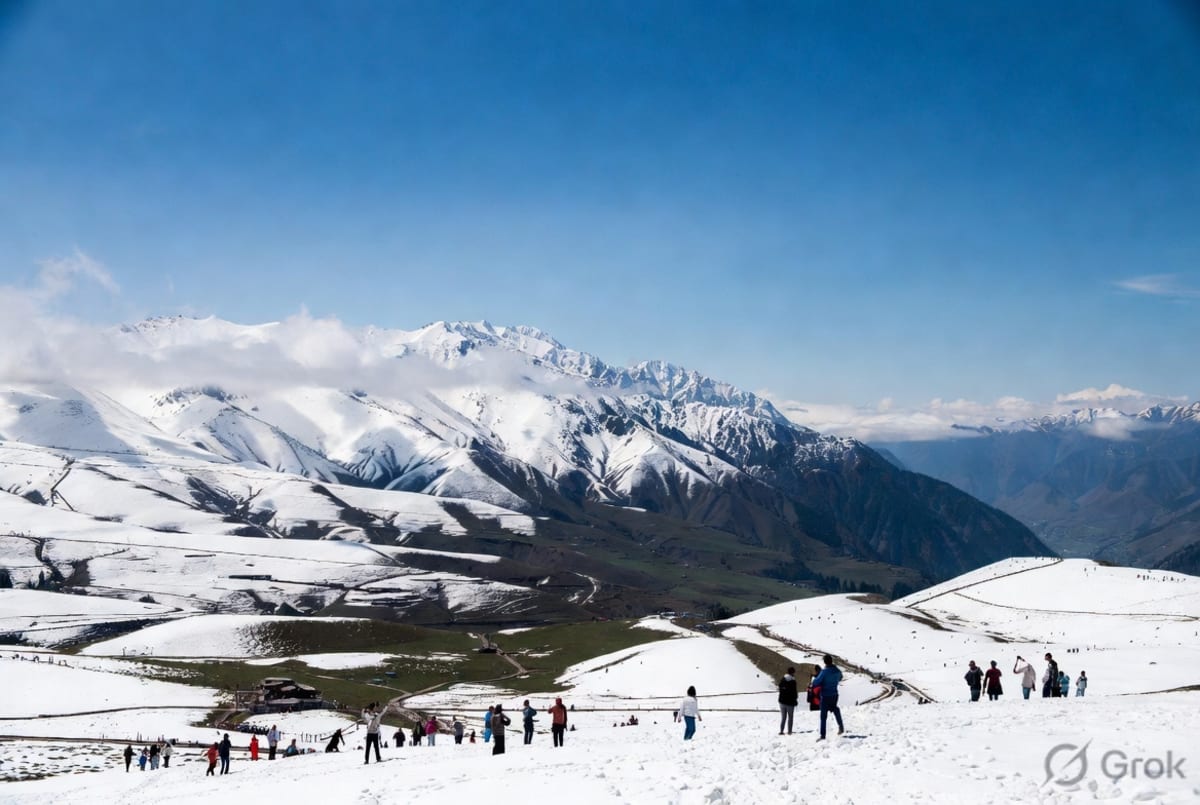
The popular hill station of Gulmarg in Jammu and Kashmir has become an unlikely summer hotspot, thanks to a freak weather pattern that brought substantial snowfall to the region over the past 24-48 hours. This phenomenon, highly unusual for late May, has seen tourists flocking to the valley, seeking a cool escape from the scorching heatwave that has gripped much of India. The unexpected white blanket covering the normally verdant meadows of Gulmarg has transformed the landscape, offering a unique travel experience that has captured the imagination of travellers nationwide.
A Cool Respite Amidst Indian Heatwave
As temperatures soared across the plains of India, reaching well over 45 degrees Celsius in several major cities, the news of snowfall in Gulmarg spread like wildfire. This created an immediate surge in bookings and inquiries for travel to the region. Many travellers, initially planning for typical summer destinations, have redirected their plans to experience the surreal sight of snow in late spring. The Jammu and Kashmir Tourism Department reported a significant uptick in tourist arrivals over the last two days, with hotels and guesthouses in Gulmarg experiencing near-full occupancy. Officials noted that this 'winter wonderland' in summer is a unique selling proposition that has revitalized interest in the destination. The contrast between the sweltering heat in other parts of the country and the crisp, cool air with snow in Gulmarg is a major draw. This unseasonal snowfall has provided a much-needed stimulus to the local economy, which relies heavily on tourism, especially after challenging periods. The demand for winter clothing rentals, usually winding down by this time of year, has seen a surprising resurgence, with local vendors reporting brisk business.
Unseasonal Snowfall Rewrites Travel Plans
The meteorological department has attributed the unseasonal snowfall to a combination of a Western Disturbance and its interaction with moist easterly winds, a rare confluence of weather systems for this time of year. While the plains bake, the higher altitudes of Kashmir, including Gulmarg, have been receiving intermittent snowfall. This has led to a significant drop in temperatures in the valley, making it an ideal destination for those seeking relief. The Srinagar Meteorological Centre indicated that such events are exceptionally rare, with the last comparable snowfall in late May occurring over two decades ago. This anomaly has not only delighted tourists but also provided a picturesque backdrop for photographers and nature enthusiasts. The Pir Panjal mountain range, surrounding Gulmarg, is also under a fresh layer of snow, enhancing the scenic beauty of the region. Local tour operators have been quick to capitalize on the situation, offering special packages that include snow activities, albeit with limited options due to the season. The unexpected weather has also led to temporary disruptions in some higher altitude road passages, but authorities have been working swiftly to clear them, ensuring accessibility for tourists.
Economic Ripple Effects and Future Outlook
The influx of tourists, driven by the novel experience of summer snow, is expected to provide a substantial economic boost to Gulmarg and surrounding areas. Local businesses, from hoteliers and restaurateurs to shikara owners in Srinagar and handicraft sellers, are anticipating increased revenue. This has come as a welcome surprise, particularly for the tourism sector, which had prepared for a standard summer season. The unique event has also garnered significant attention on social media, with viral images and videos of snow-covered Gulmarg contributing to its trending status. Travel influencers and bloggers have been actively sharing their experiences, further amplifying the destination's appeal. However, the long-term implications of such extreme weather events remain a subject of discussion among environmentalists and meteorologists. While this specific snowfall is a boon for tourism in the short term, it also highlights the increasing unpredictability of weather patterns. The Indian Meteorological Department has cautioned that while this event is unusual, climate change could lead to more frequent extreme weather occurrences. For now, however, the focus is on managing the surge in tourism and ensuring a positive experience for visitors. Authorities are working to maintain infrastructure and services to accommodate the unexpected crowds. The hope is that this unique natural phenomenon will translate into sustained interest in Kashmir as a year-round destination, beyond its usual summer and winter attractions. The unexpected snowfall has undoubtedly placed Gulmarg back on the travel map in a way few could have predicted, offering a refreshing twist to the summer travel season in India.