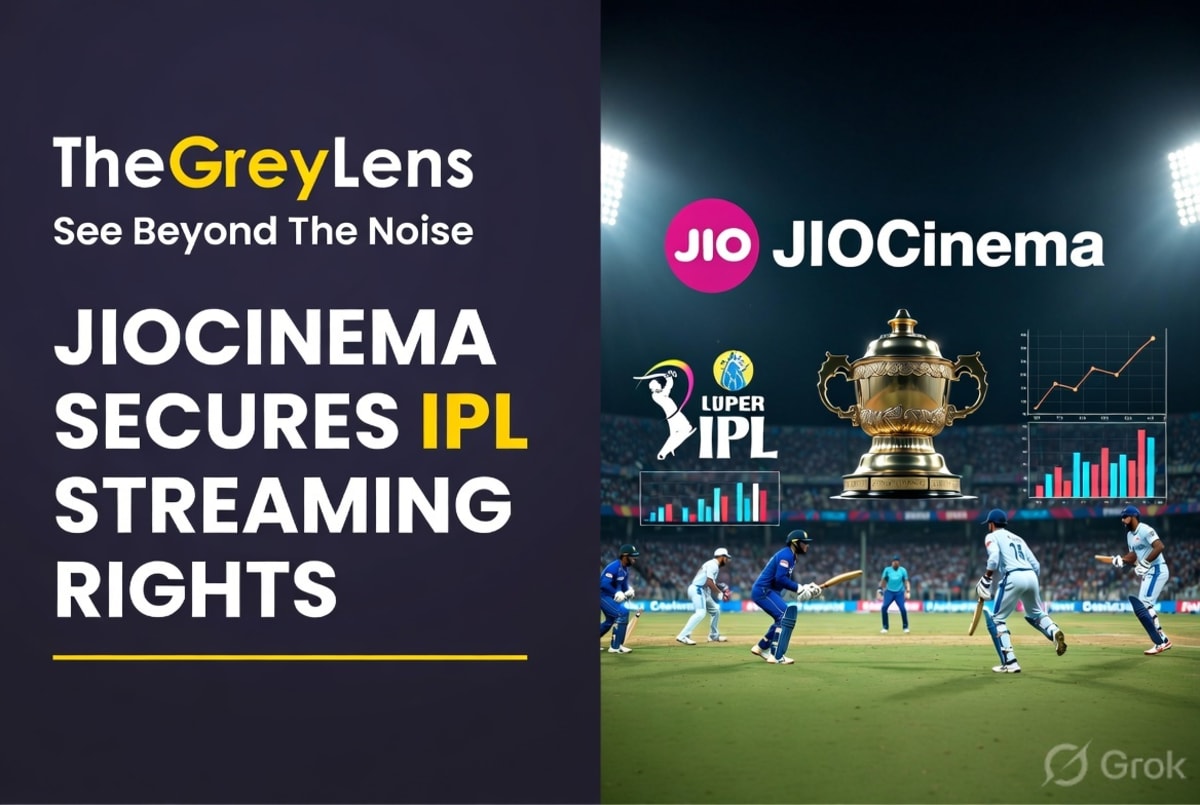
The Board of Control for Cricket in India (BCCI) announced on June 4, 2026, that JioCinema has acquired the IPL media rights for the digital segment in India, spanning the 2024-2028 seasons. This landmark deal, valued at an estimated ₹23,758 crore (approximately $2.8 billion USD), signals a major victory for Reliance Industries' digital ambitions and a potential turning point for sports broadcasting in the subcontinent. The decision was made after a closely contested bidding process that saw intense competition from major media conglomerates.
Digital Dominance: A New Era for IPL Broadcasting
This five-year agreement grants JioCinema exclusive digital streaming rights within India, meaning that for the first time, the IPL will not be available on traditional television networks in the country through the primary rights holder. The move underscores the rapidly growing importance of digital platforms in India's media consumption habits, particularly among its vast, young, and tech-savvy population. Reliance Jio, which has been aggressively expanding its digital ecosystem, sees this as a strategic move to further consolidate its position in the Indian digital entertainment market. The company's existing subscriber base of over 450 million mobile users provides a massive built-in audience for its streaming service. Industry analysts suggest that this exclusive digital focus will likely lead to innovative viewing experiences, including interactive features, multi-language commentary, and perhaps even augmented reality integration, catering to a generation accustomed to personalized digital content. The BCCI, in its official statement, highlighted the transformative potential of this partnership, aiming to reach an even wider audience through digital accessibility.
The Bidding Battlefield: A Fierce Competition
The bidding process was reportedly a high-stakes affair, with several global and domestic players vying for the coveted rights. Disney Star, the incumbent holder of both TV and digital rights, was among the key contenders. However, their bid, while substantial, was ultimately outbid by JioCinema's aggressive offer. Other significant players, including Sony Pictures Networks India and various international media groups, also participated, demonstrating the immense commercial value attached to the IPL. The BCCI had divided the rights into different packages to encourage wider participation and maximize revenue. Package A encompassed TV rights for India, while Package B covered digital rights for India. Additional packages included rights for international territories and a special package for the 10-minute highlights. JioCinema's successful bid for Package B has effectively reshaped the competitive landscape, setting a new benchmark for digital sports rights valuations in India. The sheer scale of investment reflects the IPL's status as one of the most popular and commercially viable sporting leagues globally, attracting advertisers eager to tap into its massive viewership.
Strategic Implications and Future Outlook
The acquisition by JioCinema is expected to have profound strategic implications for both the IPL and the broader Indian digital media industry. For Reliance, it is a powerful tool to drive subscriber growth and engagement for its JioCinema platform, potentially monetizing the IPL through a freemium model, advertising, or premium subscriptions. This could further accelerate the shift of advertising revenue from traditional media to digital platforms. For the BCCI and the IPL, it ensures continued financial growth and enhanced reach, albeit with a digital-first approach. However, this also raises questions about accessibility for viewers who may still prefer or rely on traditional television, particularly in remote areas. The success of this model will depend on JioCinema's ability to deliver a seamless and engaging viewing experience to millions simultaneously, a technical challenge that has plagued streaming services during major sporting events in the past. Furthermore, the long-term impact on the television broadcasting sector remains to be seen, as other sports leagues may follow suit in prioritizing digital rights. The next few seasons will be critical in determining whether this exclusive digital model sets a precedent for major sporting events in India and globally. The focus will now shift to how JioCinema plans to leverage these rights, including its advertising strategy and content offerings, to capitalize on this significant investment and solidify its position as a dominant force in India's digital entertainment arena.