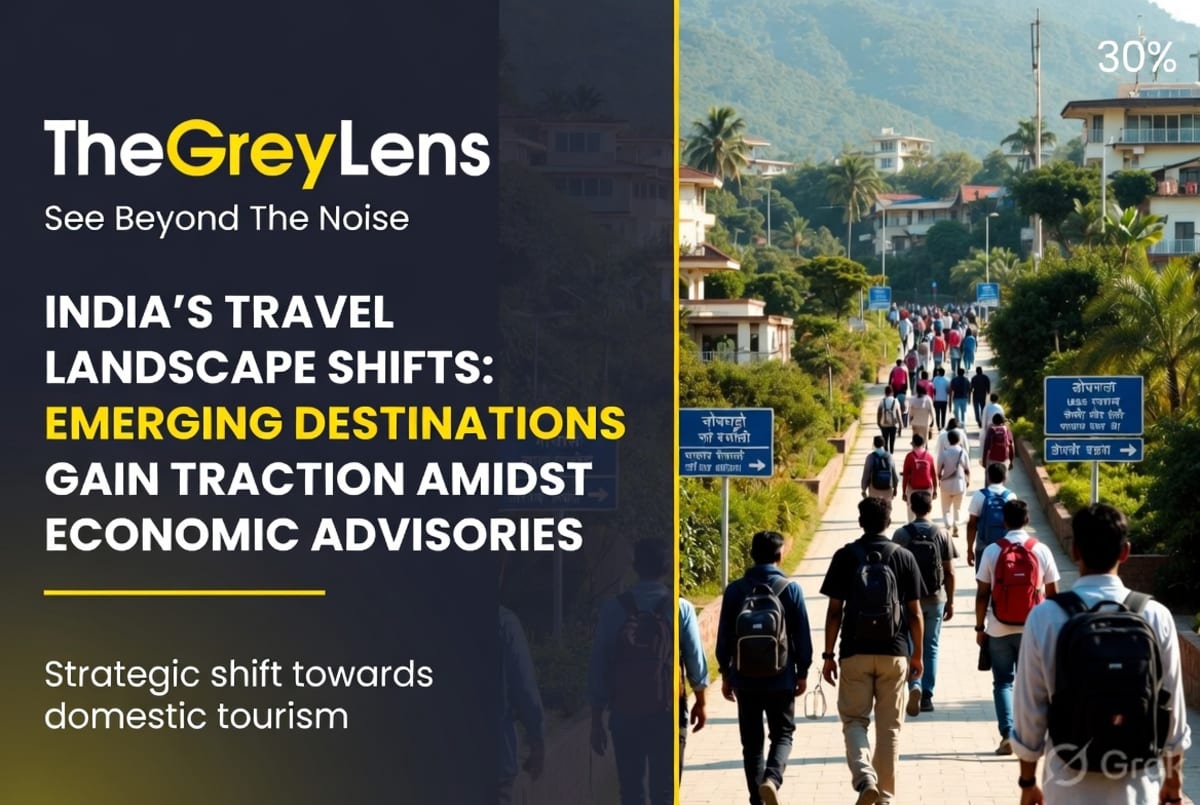
As India encourages its citizens to bolster the domestic economy by postponing international travel, a noticeable surge in interest is being observed for a variety of Indian destinations that offer experiences comparable to popular global hotspots. This national sentiment, amplified by Prime Minister Narendra Modi's recent appeal to defer non-essential foreign trips, is redirecting traveler focus towards the subcontinent's own rich tapestry of destinations. This strategic pivot is not only supporting local tourism but also shining a spotlight on emerging and often overlooked locales.
Gems Beyond the Beaten Path Attract New Attention
While established destinations like Goa and Kerala continue to draw crowds, travel trends indicate a growing fascination with places that offer a unique cultural immersion and natural beauty. Destinations such as Gokarna in Karnataka, often compared to Goa for its serene beaches and relaxed spiritual atmosphere, are gaining traction as travelers seek alternatives to more crowded locales. Similarly, the verdant valleys of Ziro Valley in Arunachal Pradesh are attracting attention for their pristine landscapes and the unique traditions of the Apatani tribe. The valley's appeal is further amplified by the annual Ziro Music Festival, which is increasingly drawing national and international visitors, with a strong emphasis on sustainability and zero-waste policies for its 2026 events.
Further north, Shillong, the capital of Meghalaya, is being highlighted for its pleasant climate, colonial architecture, and stunning waterfalls, offering a refreshing escape. The northeastern region, in general, is experiencing a renaissance in tourism, with places like Majuli Island in Assam, the world's largest river island, drawing interest for its unique cultural heritage and tranquil environment. Travel experts are noting that these destinations provide authentic experiences and better value, aligning with the government's push for domestic tourism.
Hill Stations and Coastal Towns See Renewed Interest
With May being a peak travel month due to summer vacations, hill stations and cooler climes are experiencing a significant uptick in bookings. Places like Manali and Shimla in Himachal Pradesh, known for their snow-capped peaks and picturesque valleys, remain perennial favorites. However, the narrative is expanding to include destinations like Chopta in Uttarakhand, often dubbed the "Mini Switzerland of the East," which offers breathtaking views of Himalayan peaks and serves as a gateway to sacred temples. The allure of these mountain retreats is complemented by the appeal of coastal towns, with Gokarna in Karnataka and Pondicherry offering distinct coastal experiences that draw parallels with international beach destinations like Bali and Thailand.
Reports suggest that the current travel climate, influenced by global events and national economic advisories, is encouraging a more profound exploration of India's own diverse offerings. From the tranquil backwaters of Alleppey in Kerala to the rugged terrains of Leh-Ladakh, travelers are rediscovering the vastness and variety within India. The emphasis is shifting from merely ticking off famous landmarks to engaging in experiential travel, supporting local communities, and appreciating the natural and cultural heritage that India offers in abundance.
Navigating the Shift: Future Travel Dynamics
As the travel industry adapts to these evolving preferences, tour operators are curating packages that highlight these emerging destinations and hidden gems. The focus is on providing immersive experiences that go beyond the conventional tourist trails. The growing interest in destinations like Tawang in Arunachal Pradesh, known for its high-altitude monasteries and stunning Himalayan vistas, and the offbeat charm of Kalpa in Himachal Pradesh, with its panoramic views of the Kinnaur Kailash range, signals a maturing Indian traveler. The trend indicates a future where India's own diverse geography and rich cultural heritage will be celebrated and explored with renewed vigor, moving beyond the shadow of international travel. This burgeoning domestic tourism is not just a temporary trend but a potential long-term recalibration of how Indians view and engage with their own country.