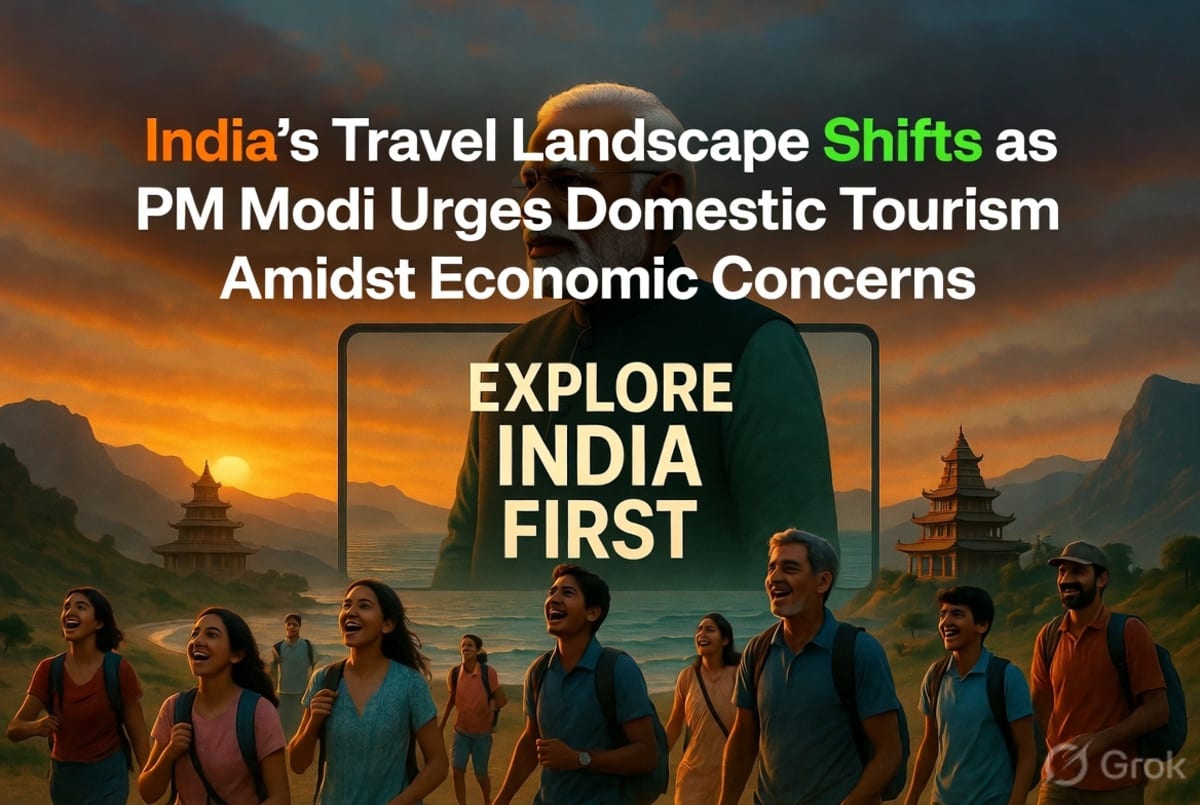
New Delhi, India – May 13, 2026 – A significant recalibration is underway in India's travel industry following Prime Minister Narendra Modi's televised appeal on Sunday, May 10th, urging citizens to “postpone unnecessary overseas travel” for at least a year. This directive, intended to promote economic self-reliance and mitigate the impact of a widening current-account deficit exacerbated by rising import costs, has already begun to influence travel decisions and market performance.
Economic Undercurrents Drive Domestic Travel Push
The Prime Minister's message has resonated through the travel ecosystem, with immediate impacts observed in the stock market. Shares of major outbound travel operators such as Yatra Online, Thomas Cook (India), and Easy Trip Planners saw declines ranging from 3 to 5 percent within hours of market openings on Monday. Similarly, airline bellwether InterGlobe Aviation (IndiGo) experienced a drop of over 4 percent. Hospitality companies like Indian Hotels Company and Lemon Tree Hotels also faced downward pressure as analysts began revising their outbound revenue forecasts. The government's concern stems from a substantial increase in overseas spending by Indians, which reached USD 29 billion in the fiscal year 2025-26, marking an 18 percent rise from the previous year's pre-pandemic high, according to Reserve Bank of India data. This trend, coupled with the volatile global economic climate, has prompted the government to advocate for greater domestic consumption.
Domestic Destinations Gain Traction Amidst Shifting Priorities
While the Prime Minister's appeal is not a legal restriction, it carries significant weight and is expected to foster a shift towards domestic tourism. Travel experts note that this presents a prime opportunity for India's diverse internal destinations to capture the attention of outbound travelers. Popular hill stations such as Leh-Ladakh, known for its stunning mountain vistas and adventure opportunities, Srinagar and Gulmarg with their lush green valleys, and the serene tea gardens of Munnar and Ooty are anticipated to see increased interest. These regions offer pleasant weather in May, providing an ideal escape from the summer heat prevalent in other parts of the country. Offbeat destinations like Thirthan Valley in Himachal Pradesh and Kalingpong in West Bengal are also being highlighted as attractive alternatives for travelers seeking unique experiences away from crowded tourist spots. The appeal to 'economic self-reliance' is expected to translate into more Indians exploring the rich cultural heritage and natural beauty within India's borders, potentially boosting local economies and tourism infrastructure.
Navigating the New Travel Climate
For businesses and individuals, the current climate necessitates a strategic approach to travel planning. While official clarifications indicate no immediate curbs on international card usage or foreign travel, a heightened scrutiny of trip justifications and a potential preference for virtual meetings are anticipated. Companies are advised to review their internal travel policies and renegotiate contracts where possible. The government's preference for persuasion over prohibition suggests a continued emphasis on voluntary compliance. This evolving landscape underscores the growing importance of domestic tourism in India's economic strategy, with a clear push towards enhancing the appeal and accessibility of the nation's own diverse travel offerings. The coming months will likely see a surge in promotional activities and infrastructure development focused on highlighting India's own travel treasures, encouraging a 'visit India' mindset among its citizens.