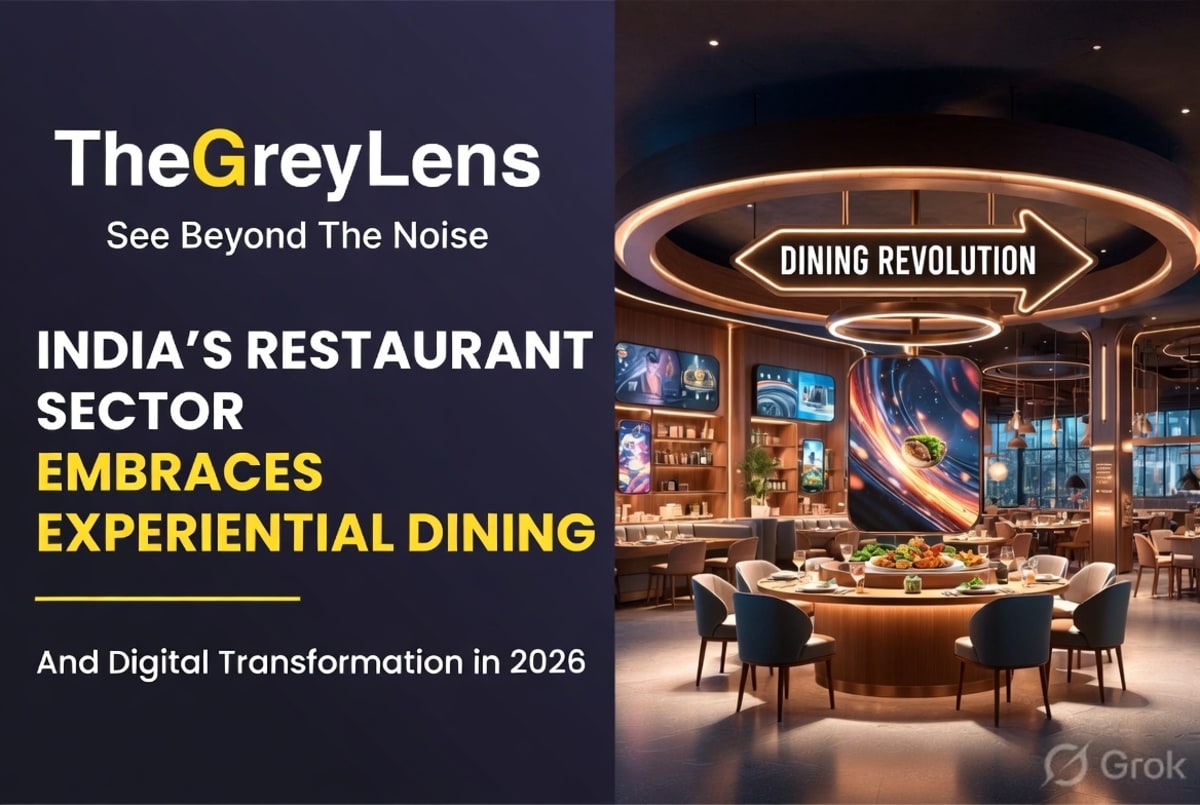
The Indian restaurant landscape in 2026 is rapidly evolving, marked by a pronounced shift towards experiential dining and a comprehensive embrace of digital transformation. Consumers are no longer satisfied with mere sustenance; they are actively seeking a holistic experience that encompasses comfort, personalized service, and overall value. This evolving consumer demand is compelling businesses across the sector to reimagine their strategies, from menu development and ambiance to customer interaction and operational efficiency.
The Rise of Experiential Dining
Dining out in 2026 is increasingly viewed as an immersive and memorable event rather than a simple transaction. Restaurants in major urban centers such as Mumbai, Bengaluru, and Delhi are prioritizing elements like storytelling, mood lighting, interactive live kitchens, and direct engagement with chefs. The goal is to create spaces where patrons can relax, engage, and forge emotional connections, transforming a meal into a complete sensory journey. This focus on experience is heavily influenced by social media, with platforms like Instagram playing a crucial role in restaurant discovery through user-generated content and influencer collaborations. The visual appeal and shareability of the dining experience have become paramount, driving restaurants to curate aesthetically pleasing environments and unique offerings that resonate online.
Digital Integration and Operational Agility
Technology is at the forefront of this industry-wide evolution. AI-powered kitchens, advanced delivery platforms, and cloud kitchen models are becoming increasingly prevalent, enhancing operational efficiency and expanding reach. Restaurants are leveraging digital tools to personalize customer interactions, streamline order processes, and optimize supply chains. The rise of cloud kitchens, in particular, has allowed for greater flexibility and reduced overheads, enabling businesses to cater to the burgeoning demand for home delivery without the need for extensive dine-in infrastructure. This digital pivot is not confined to large chains; smaller establishments are also adopting technology to stay competitive and meet the convenience expectations of modern diners.
Evolving Consumer Preferences and Menu Innovations
Beyond the experiential and digital realms, consumer preferences are also driving significant menu innovations. There is a growing emphasis on health-conscious options, including protein-rich meals, vegan dishes, gluten-free choices, and low-calorie menus. Millet-based recipes and sugar-free desserts are also gaining traction as consumers become more aware of nutritional content and seek healthier alternatives. Furthermore, the trend towards local sourcing and sustainability continues to gain momentum, with diners showing a keen interest in ingredient transparency and ethical food production. Restaurants that can effectively combine sustainability with authentic culinary narratives are building stronger customer loyalty.
The future of India's restaurant industry appears to be one of continuous adaptation and innovation. As consumer expectations evolve and technology advances, businesses that remain agile and customer-centric are poised for sustained growth. The focus will likely remain on creating unique, personalized, and technologically integrated dining experiences that cater to a diverse and discerning clientele.