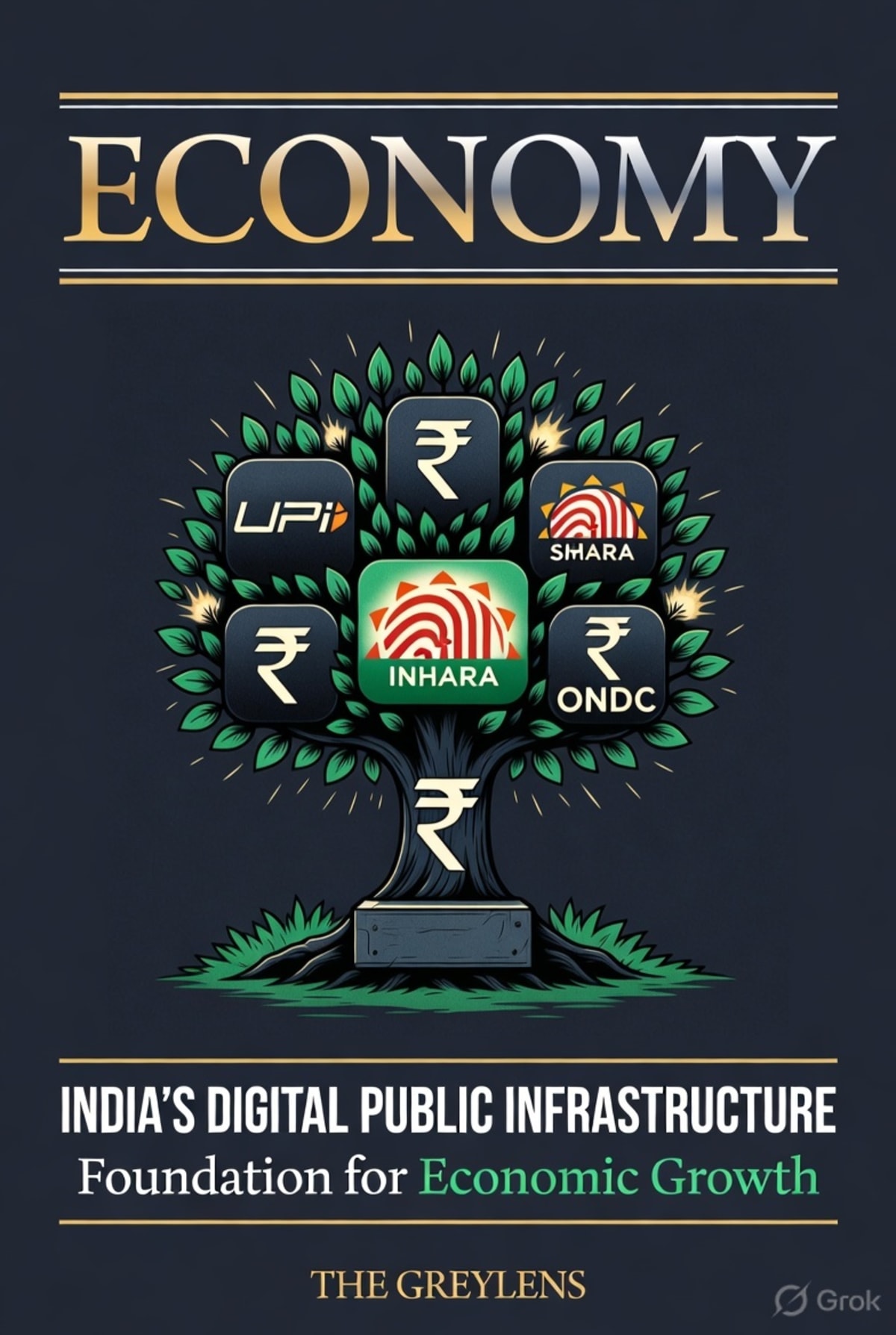
New Delhi – India is accelerating its digital transformation with the ambitious Digital Public Infrastructure (DPI) 2.0 roadmap, a strategic initiative designed to propel economic growth and foster widespread innovation. This next phase of India's digital evolution, detailed in the DPI@2047 roadmap, aims to move beyond the foundational successes of inclusion and welfare delivery to a productivity-led model that enhances livelihoods and market access across key sectors. The initiative positions India's digital infrastructure as a critical engine for achieving its long-term economic aspirations, including becoming a US$ 30 trillion economy by 2047.
The DPI@2047 roadmap, unveiled by NITI Aayog, outlines a phased approach with DPI 2.0 focusing on livelihood-led growth from 2025 to 2035, followed by DPI 3.0 from 2035 to 2047, which will aim for broad-based prosperity through grassroots innovation. This evolution signifies a strategic shift from the initial phase, which successfully leveraged platforms like Aadhaar and the Unified Payments Interface (UPI) for mass inclusion and welfare distribution. The current push emphasizes leveraging artificial intelligence (AI) and data-driven systems for large-scale transformation, with pilot projects slated to commence in sectors such as MSMEs and agriculture during 2026-27.
Accelerating Productivity and Innovation Across Sectors
DPI 2.0 identifies eight priority sectors for digital transformation: MSMEs, agriculture, healthcare, education, credit, energy, and social protection. The strategy emphasizes district-level execution and the integration of AI to drive productivity gains and innovation. Chief Economic Advisor Mr. V. Anantha Nageswaran highlighted that DPI 2.0 can function as a "total factor productivity engine," crucial for mitigating the impact of global economic disruptions, such as volatile energy prices, to which India is particularly vulnerable due to its dependence on imported fossil fuels. This focus on productivity and efficiency is seen as vital for strengthening India's competitiveness in the global market.
The digital economy is already a significant contributor to India's GDP, projected to reach 20% by 2029-30, and is nearly five times more productive than the rest of the economy. The government's commitment to bolstering digital infrastructure is evident in continued capital allocations for payments, connectivity, and identity platforms, with deeper integration across various service delivery domains. Furthermore, the growth of sectors like fintech, SaaS, and AI is expected to play an expanded role in enhancing DPI capabilities, particularly in areas such as digital payments, credit access, and interoperable data systems.
Addressing Challenges for Inclusive Digital Growth
Despite the remarkable progress, challenges remain in ensuring universal access and robust security within India's DPI ecosystem. Chief Economic Advisor Mr. V. Anantha Nageswaran has pointed out that significant barriers persist for certain population segments, including the elderly, individuals in areas with poor connectivity, and those with low digital literacy. Bridging this "last mile" digital divide is identified as a critical ongoing effort.
Interoperability across states and the varying quality of state-level digital infrastructure also present hurdles, as a substantial portion of service delivery occurs at the state level. Cybersecurity remains a paramount concern, requiring sustained institutional attention to counter evolving threats. The government is actively working on strengthening the legislative and institutional frameworks for data sharing and digital records, alongside promoting robust cybersecurity standards.
The DPI@2047 roadmap is built on principles of inclusion, innovation, and trust, with India demonstrating at population scale how digital systems can deepen democracy and accelerate development. The foundational elements, such as Aadhaar, which has seen over 144 crore numbers generated as of March 2026, and UPI, which processed over 21.70 billion transactions in January 2026, underscore the scale and impact of India's digital journey. The API Setu platform, hosting over 8,036 APIs as of March 2026, further facilitates secure data exchange and interoperability across the digital governance landscape.
The Road Ahead: Innovation, Integration, and Global Collaboration
Looking forward, India's strategy emphasizes sustained public investment, regulatory clarity, and public-private collaboration to further scale its DPI while ensuring it remains interoperable and inclusive. The government's recent focus on AI, semiconductors, and railways as key drivers of future growth, as highlighted by Union Minister Mr. Ashwini Vaishnaw, complements the DPI strategy by fostering technological advancement and industrial competitiveness.
India is also actively engaging in global partnerships, having signed agreements with 24 countries to share its expertise on DPI, including digital identity, payments, and data systems. The India Stack Global platform serves as a conduit for sharing adaptable digital tools and frameworks with partner nations, positioning India as a hub for DPI development. This international collaboration, coupled with a strong domestic focus on innovation and addressing access challenges, positions India's Digital Public Infrastructure as a robust foundation for sustained economic growth and a catalyst for transformative change.
The next phase will likely see a deeper integration of DPI into sectors such as healthcare, logistics, and education, with expanded roles for fintech, SaaS, and AI startups. The ongoing efforts to enhance digital access, strengthen cybersecurity, and ensure interoperability will be crucial in realizing the full potential of DPI 2.0 and achieving India's ambitious economic goals.