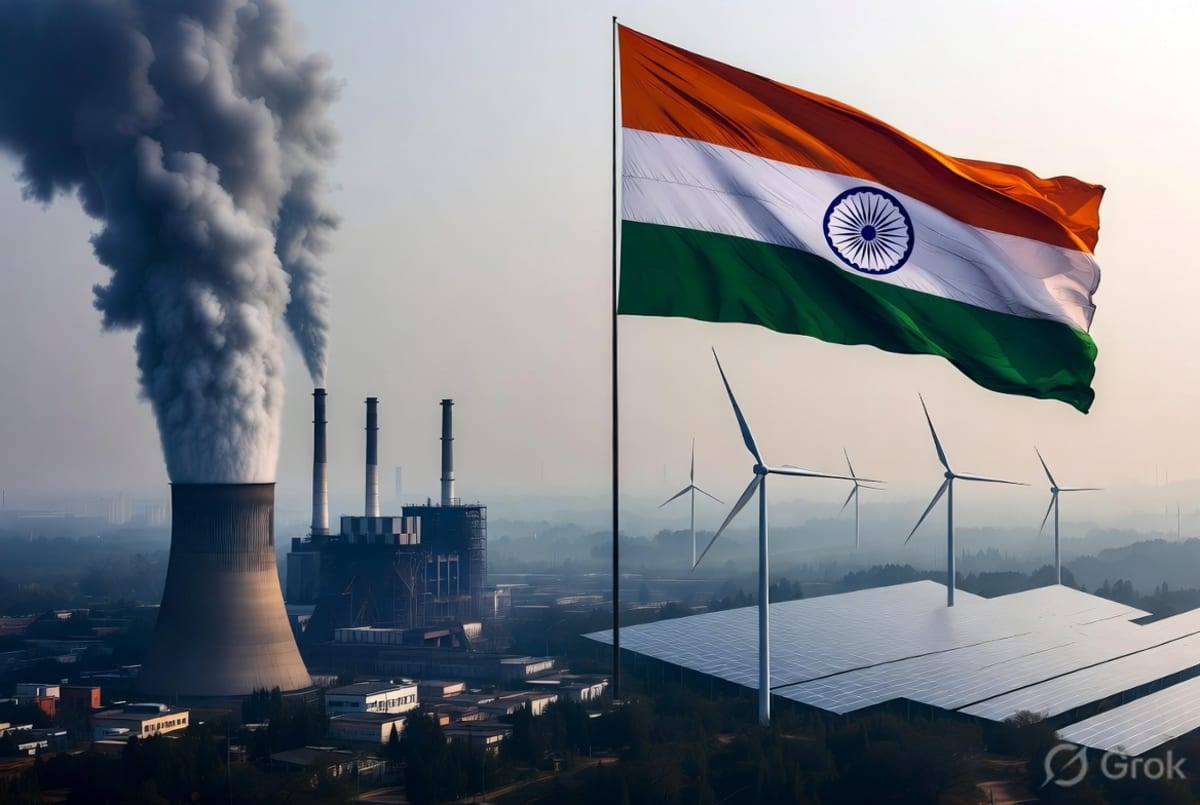
NEW DELHI – India, a nation acutely vulnerable to the impacts of climate change, is grappling with a complex energy landscape as its dependence on coal power experiences an unexpected resurgence. While the country continues to champion ambitious renewable energy targets, recent data indicates a substantial increase in coal-fired power generation, presenting a significant challenge to its green transition objectives. This surge in coal consumption, driven by a robust post-pandemic economic recovery and escalating energy needs, has put a spotlight on the practical realities of balancing development with decarbonization.
Escalating Energy Demand Outpaces Renewable Gains
India's insatiable appetite for energy, fueled by a rapidly growing economy and a burgeoning population, has pushed power generation to new heights. Official figures released in late May 2026 reveal that coal-fired power plants, long the backbone of the nation's electricity supply, have operated at higher capacities than anticipated. This increase in coal utilization is a direct response to the surging demand, which has, in many instances, outstripped the pace at which renewable energy sources like solar and wind can be deployed and integrated into the national grid. Power sector analysts point to several contributing factors, including the sheer scale of new energy requirements for industries and households, and the consistent, reliable output that coal offers, particularly during peak demand periods. The government has acknowledged the increased reliance on coal but maintains it is a temporary measure to ensure energy security. However, environmental groups and international observers express growing concern that this trend could derail India's commitments under the Paris Agreement and its own stated goal of achieving net-zero emissions by 2070. The International Energy Agency (IEA) has previously highlighted India's critical role in global energy markets and its decarbonization trajectory, underscoring the far-reaching implications of its energy choices.
Renewable Sector Challenges and Grid Integration Woes
The renewable energy sector, while experiencing significant growth in installed capacity, faces its own set of obstacles. Developers report delays in land acquisition, grid connection issues, and challenges in securing financing for large-scale projects, all of which impede the rapid expansion necessary to meet ambitious targets. Furthermore, the intermittent nature of solar and wind power necessitates substantial investments in grid modernization, energy storage solutions, and advanced forecasting technologies to ensure a stable and reliable power supply. Without these complementary infrastructure upgrades, the grid struggles to absorb large volumes of renewable energy, leading utilities to rely on dispatchable sources like coal, especially during periods of low renewable generation. Experts emphasize that the pace of renewable energy deployment must be matched by parallel advancements in grid infrastructure and storage capacity. The National Thermal Power Corporation (NTPC), India's largest power producer, has been actively investing in renewables, but its existing coal fleet remains crucial for meeting immediate demand. The delicate balancing act involves phasing out coal while simultaneously building a resilient and modernized grid capable of handling a higher penetration of variable renewable sources. Discussions are ongoing regarding the development of pumped hydro storage and battery energy storage systems, but the scale of investment required is substantial. The Ministry of Power has indicated plans to accelerate grid modernization projects, but the timelines remain a critical factor in determining the success of the clean energy transition.
Economic Imperatives and the Coal Conundrum
The economic implications of India's energy choices are profound. Coal remains a relatively affordable and domestically abundant resource, providing a cost-effective means to power industrial growth and meet the energy needs of its vast population. Shifting away from coal too rapidly without viable and scaled alternatives could impact industrial competitiveness and lead to higher energy costs for consumers, potentially exacerbating economic inequalities. The government's focus on ensuring energy access and affordability for all citizens while pursuing environmental goals creates a complex policy challenge. This dual mandate means that decisions regarding the energy mix are often weighed against immediate economic and social considerations. Reports from the Centre for Science and Environment (CSE) have detailed the significant environmental and health costs associated with continued coal reliance, including air pollution and carbon emissions. However, the immediate economic benefits and energy security offered by coal are difficult to disregard in the context of a developing nation. The debate within India often centers on the pace and feasibility of a just transition, ensuring that workers and communities dependent on the coal industry are not left behind. The government is exploring strategies for retraining and developing alternative livelihoods, but the scale of this undertaking is immense. The continued operation of older, less efficient coal plants also poses a challenge, as these often have higher emissions per unit of energy produced. While new supercritical plants are more efficient, the overall increase in coal consumption means a net rise in emissions. The path forward requires a strategic integration of renewables, robust energy storage, and potentially the use of cleaner fossil fuel technologies as a transitional measure, alongside significant policy and investment reforms.
The Road Ahead: Policy, Investment, and Innovation
The future of India's energy transition hinges on a multi-pronged approach involving sustained policy support, massive investment, and technological innovation. The government is reportedly exploring measures to incentivize greater investment in renewable energy projects and energy storage solutions, while also considering policies to manage the phase-out of older coal plants. International cooperation and climate finance will also play a crucial role in supporting India's ambitious goals. The success of this transition will not only determine India's ability to meet its climate commitments but also its long-term energy security and economic sustainability. The coming years will be critical in observing whether India can effectively navigate the complexities of its energy needs, balancing immediate developmental imperatives with its long-term vision for a sustainable and cleaner energy future. The outcome of these efforts will have significant implications for global climate action and the worldwide push towards decarbonization.