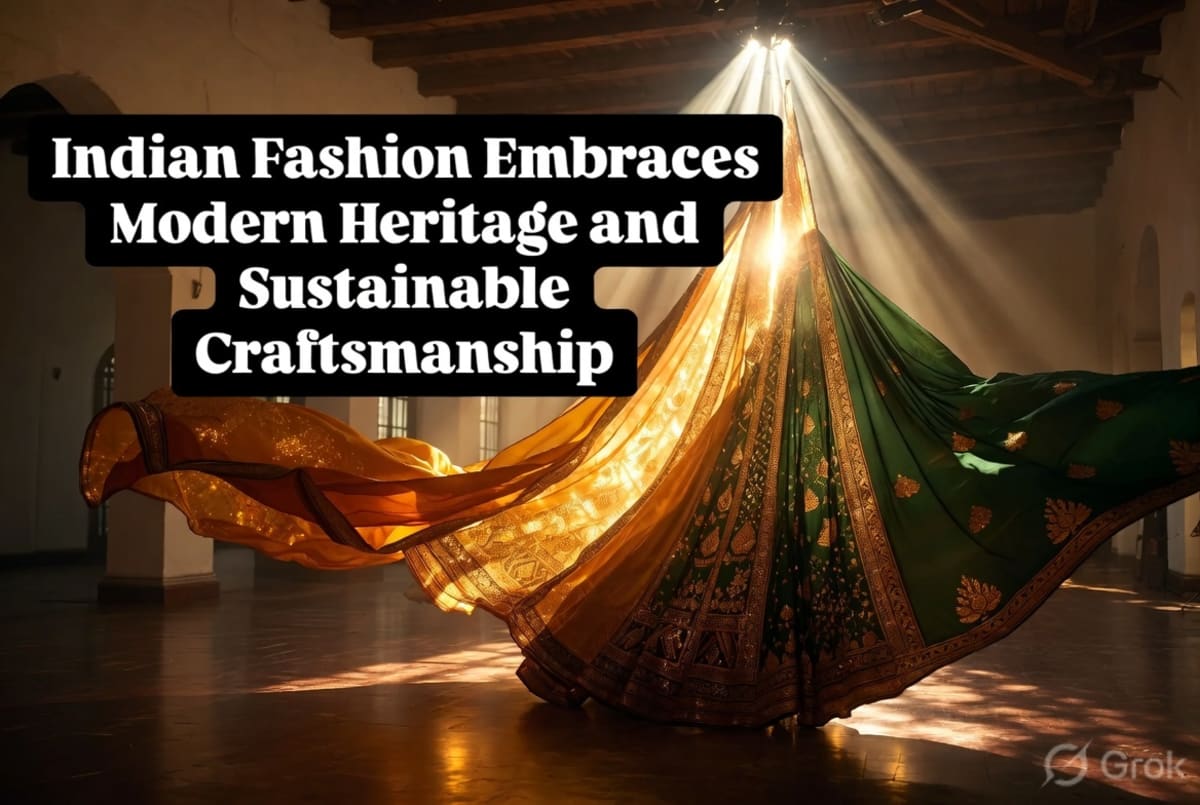
The Indian fashion landscape in 2026 is a vibrant tapestry woven with threads of tradition and innovation, as designers increasingly embrace modern heritage and sustainable practices. This year marks a significant shift towards collections that celebrate artisanal craftsmanship, reimagine classic silhouettes, and prioritize ethical production, resonating with both domestic consumers and a growing international audience. The industry is moving beyond mere aesthetics, focusing on the narrative and the inherent value of handcrafted pieces.
The Renaissance of Artisanal Craftsmanship
Across India, there's a palpable resurgence in the appreciation for traditional crafts and handloom textiles. Designers are actively collaborating with artisan communities, breathing new life into age-old techniques such as intricate hand embroidery, zardozi, and Mukesh work. Labels like Priya Agarwal are drawing inspiration from regional art forms, such as the lacquered Channapatna toys of Karnataka, translating bold geometry and vivid palettes into contemporary designs. Similarly, brands are focusing on natural fibers, with a notable return of pure silk to the forefront. This emphasis on heritage and natural materials aligns with a global demand for authentic, slow fashion.
Sustainability Takes Center Stage
Sustainability is no longer a niche concern but a driving force within the Indian fashion industry. Brands are increasingly adopting eco-friendly practices, from using natural dyes and organic fabrics to implementing zero-waste production methods. The global push for ethical fashion, exemplified by initiatives like Europe's “Green Deal,” is creating a fertile ground for Indian brands that champion sustainability. Companies are focusing on certifications like OEKO-TEX and investing in systems like Zero Liquid Discharge (ZLD) to meet stringent environmental standards, fostering partnerships with premium global retailers. This commitment to sustainability extends to a focus on longevity and mindful consumption, encouraging consumers to invest in pieces that are both beautiful and consciously made.
Contemporary Silhouettes and Modern Occasion Wear
While heritage crafts are being celebrated, the silhouettes are undeniably modern. Designers are skillfully blending traditional elements with contemporary cuts and drapes to create versatile occasion wear. The sharara, for instance, is experiencing a revival, offering a comfortable yet elegant alternative to heavily embellished lehengas. Tone-on-tone embroidery is another prominent trend, offering a sophisticated and understated luxury. Brands like Saher & Naazli are showcasing this trend with rose pink silk kurtas featuring embroidery in the same color family, creating a quietly luxurious effect. Furthermore, statement blouses are emerging as standalone pieces, paired with sarees, lehengas, or even trousers, demonstrating a new era of versatile styling. The focus is on creating garments that are not only visually stunning but also practical and adaptable to modern lifestyles.
The Indian fashion industry in 2026 is at a pivotal moment, marked by a deep respect for its rich cultural heritage and a forward-looking embrace of innovation and sustainability. The rise of emerging designers, the growing influence of digital platforms, and a conscious consumer base are collectively shaping a fashion ecosystem that is both globally competitive and deeply rooted in Indian artistry. The future appears bright for brands that can successfully marry traditional craftsmanship with contemporary design sensibilities, offering thoughtful and ethically produced fashion.