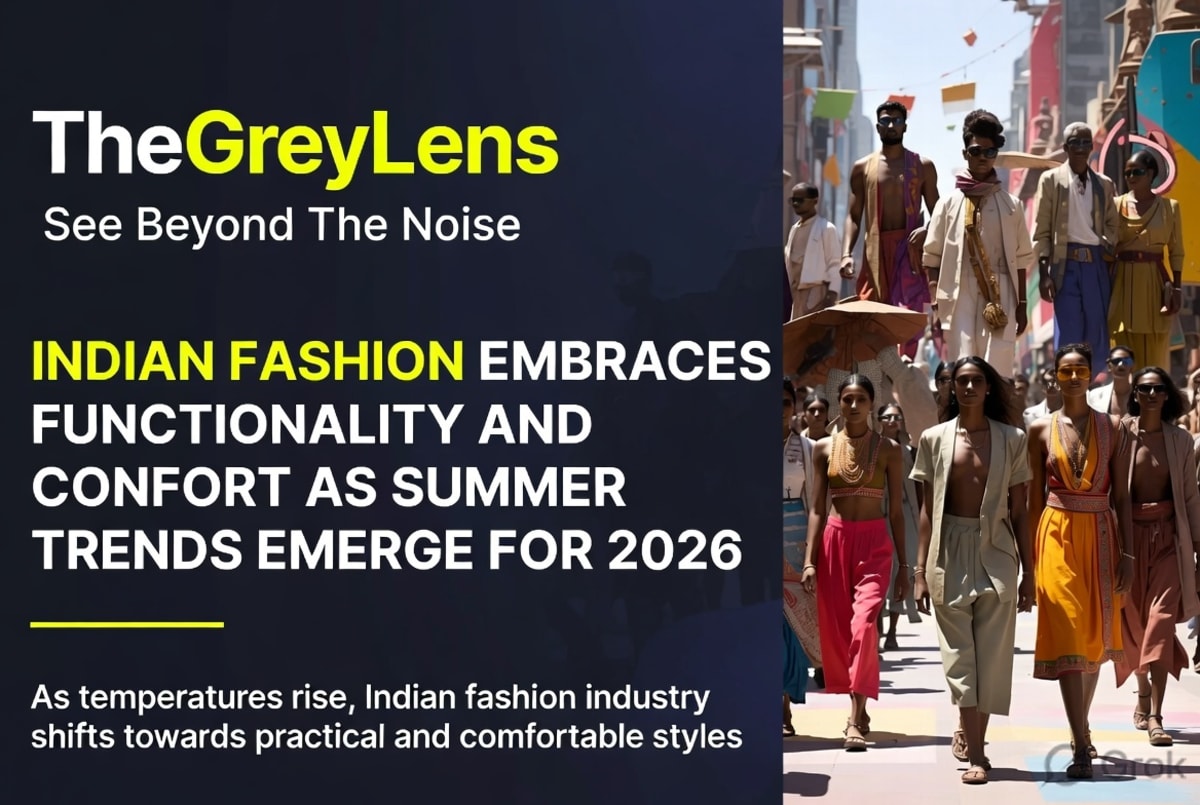
The Indian fashion landscape is undergoing a significant transformation as designers increasingly prioritize functionality and comfort in their 2026 summer collections. Driven by rising temperatures and evolving consumer preferences, the industry is moving away from purely aesthetic-driven trends towards pieces that offer both style and practicality for everyday wear.
Comfort Takes Center Stage
Designers like Shivani Nirupam, Creative Director and Founder of Label Shivani Nirupam, highlight that Indian summers are now dictating a new direction for fashion. \"The climate naturally pushes you toward softer colours and lighter silhouettes,\" Nirupam stated. \"It felt like a very organic decision rather than a forced one.\" This sentiment is echoed globally, with trend forecasts for Summer 2026 leaning heavily towards breathable fabrics, relaxed silhouettes, and versatile wardrobe staples. Fabrics such as linen, organic cotton, chiffon blends, mulmul, voile, and Tencel are becoming increasingly prevalent in both luxury and high-street fashion, as consumers actively seek comfort-driven dressing. The emphasis is on clothing that feels wearable beyond mere social media aesthetics, adapting to the realities of hot weather and busy lifestyles. This shift is evident in the move towards softer tailoring, lightweight coordinates, and occasion wear that is easily restyled and re-worn.
The Rise of Functional Fashion
The term \"functional fashion\" is gaining traction, signifying a move beyond mere utility to encompass a broader sense of practicality that aligns with climate responsiveness and comfort. Consumers are increasingly prioritizing clothing that can seamlessly transition from casual outings to work environments, and from day to night. This has led to a greater demand for versatile pieces that can be styled in multiple ways, reducing the need for extensive wardrobes. Brands are responding by creating collections that are not only stylish but also offer ease of movement and breathability. For instance, the trend of comfortable kurta sets with flowing palazzo trousers or fitted pants, and the resurgence of sharara sets, exemplify this focus on comfort and wearability. These styles are being reinterpreted with cleaner cuts and fabrics that move with the body, making them suitable for a wide range of occasions.
Embracing Versatility and Sustainability
Beyond comfort and functionality, Indian fashion in 2026 is also characterized by a growing emphasis on versatility and sustainability. Consumers are looking for pieces that offer longevity and can be adapted to different styles and seasons. This has fueled a rise in fusion wear, where traditional Indian textiles and artisanal craftsmanship are blended with contemporary, fluid silhouettes. Designers are exploring minimalist luxury, focusing on clean lines, subtle embroidery, and impeccable tailoring that allows the quality of the fabric and the cut to speak for themselves. Furthermore, there is a noticeable push towards sustainable choices, with consumers increasingly preferring brands that prioritize ethical production and responsible manufacturing. This conscious consumerism is shaping design decisions, encouraging the use of natural fabrics and eco-friendly practices. The focus on texture play and layering also contributes to versatility, allowing individuals to adapt their outfits to changing weather conditions and personal style preferences. As the industry continues to evolve, the synergy between tradition, modernity, comfort, and sustainability is set to define the future of Indian fashion.
The coming months will likely see a further integration of these trends, with designers continuing to experiment with innovative fabrics and silhouettes that cater to the practical needs of the Indian climate and the discerning tastes of the modern consumer. The focus on wearability and thoughtful design suggests a move towards a more conscious and enduring approach to fashion in India.