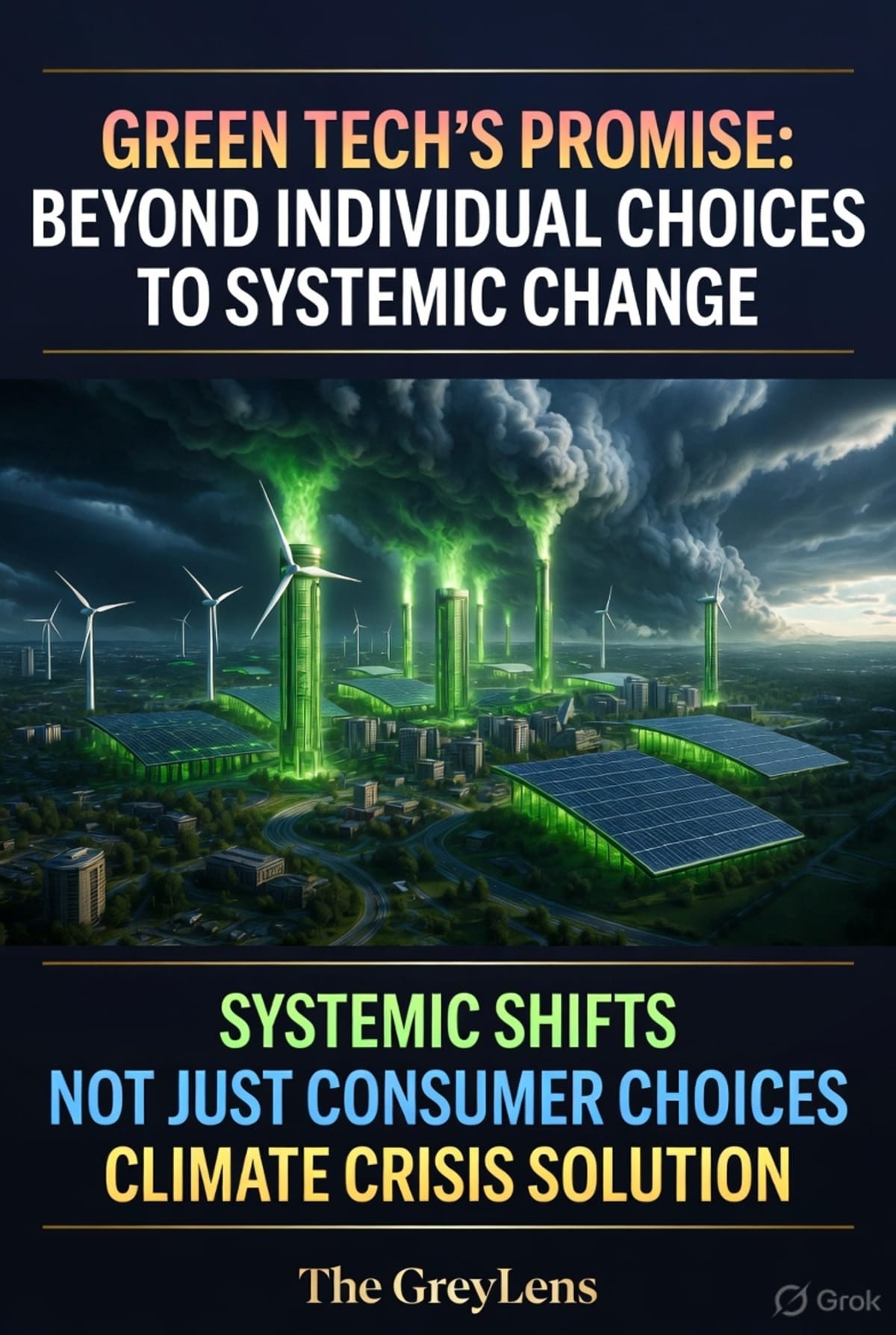
The global landscape of green technology is undergoing a profound transformation, moving beyond the realm of individual consumer choices to embrace systemic, policy-driven change. As of May 2026, governments worldwide are enacting and refining strategies to accelerate the transition to a sustainable future, recognizing that widespread adoption of green technologies requires a fundamental shift in regulatory frameworks, investment strategies, and international cooperation. This evolution is driven by the escalating urgency of the climate crisis and the growing understanding that incremental changes are insufficient to meet critical climate goals.
Accelerating Policy and Investment in Green Technology
As of April 2026, a significant number of countries, 150 nations, have implemented active policies to promote renewable and nuclear energy deployment, with 130 focusing on energy efficiency and electrification. This concerted policy push is creating a fertile ground for green technologies to move from niche applications to mainstream solutions. The International Energy Agency (IEA) reports that governments are also incentivizing supply chain resilience for critical minerals and clean energy technologies, with 32 countries having specific policies in this area. This comprehensive approach acknowledges that systemic change requires not only the development of new technologies but also the secure and sustainable production of the materials needed to power them. Furthermore, the global investment in green technologies is at an all-time high, with businesses embedding eco-innovations into their operations and products, often driven by tightening regulations on fossil fuel emissions. This integration of green technology into core business strategies is a testament to its evolving role from an environmental consideration to a driver of global competitiveness.
COP31: A Crucial Juncture for Global Climate Action
The upcoming COP31, scheduled for November 2026 in Antalya, Turkey, is set to be a pivotal moment for translating climate commitments into concrete global action. Following the comprehensive Global Stocktake and the establishment of the New Collective Quantified Goal (NCQG) at COP30, COP31's primary objective is to accelerate the implementation of climate policies worldwide. The conference will focus on turning broad climate goals into measurable actions, ensuring that promised funding is delivered, and effectively integrating the learnings from the Global Stocktake into national plans. Key discussions are expected to revolve around the acceleration of real-world implementation of climate policies, including the global energy transition and adaptation measures, with a particular focus on the vulnerability of Small Island Developing States (SIDS). The outcome of COP31 will be crucial in determining whether the world can remain on track to limit global warming to 1.5°C, as outlined in the Paris Agreement. The recent Fossil Fuel Transition Summit in Colombia, which focused on developing national roadmaps to end fossil fuel dependency and launching a new science panel for phase-out support, also signals a growing momentum towards systemic change away from fossil fuels.
Systemic Shifts: Carbon Pricing, AI, and Finance
The concept of systemic change in green technology is also being driven by innovative policy instruments and the integration of advanced technologies. As of May 2026, 41 active emissions trading systems (ETS) are in operation globally, covering 26% of global greenhouse gas emissions and more than half the world's population. New national systems are being launched in countries like Japan, India, and Vietnam, with China preparing to shift its national ETS towards an absolute emissions cap. The European Union is also expanding its system to include transport and buildings, underscoring the growing architecture of carbon pricing as a fundamental tool for climate response. Simultaneously, the rapid advancement of Artificial Intelligence (AI) presents both challenges and opportunities for green technology. AI's growing demand for energy, particularly from data centers, necessitates innovation in energy efficiency and clean energy solutions. Policymakers are drawing lessons from the energy and climate sectors to govern AI, recognizing the need for proactive governance to manage its potential global risks. Furthermore, the critical issue of climate finance remains a central focus. While analyses suggest the $100 billion annual climate finance goal may have been met in 2022, significant shortfalls from previous years persist, undermining trust. The UN Financing for Development Forum in New York recently released new resources clarifying the role of banks in sustainability and sustainable development, emphasizing their function as enablers of change through the activities they finance. This highlights the ongoing efforts to align financial flows with climate goals and ensure that investments support not only emissions reduction but also social inclusion and resilience.
What happens next is a critical test of global resolve. With COP31 on the horizon and nations increasingly adopting systemic approaches to green technology, the focus will sharpen on the effective implementation of policies, the mobilization of adequate finance, and the equitable distribution of the benefits of the transition. The coming months will reveal whether these concerted efforts can truly shift the needle towards a sustainable global future, moving beyond individual actions to achieve the profound, systemic changes required to address the climate crisis.