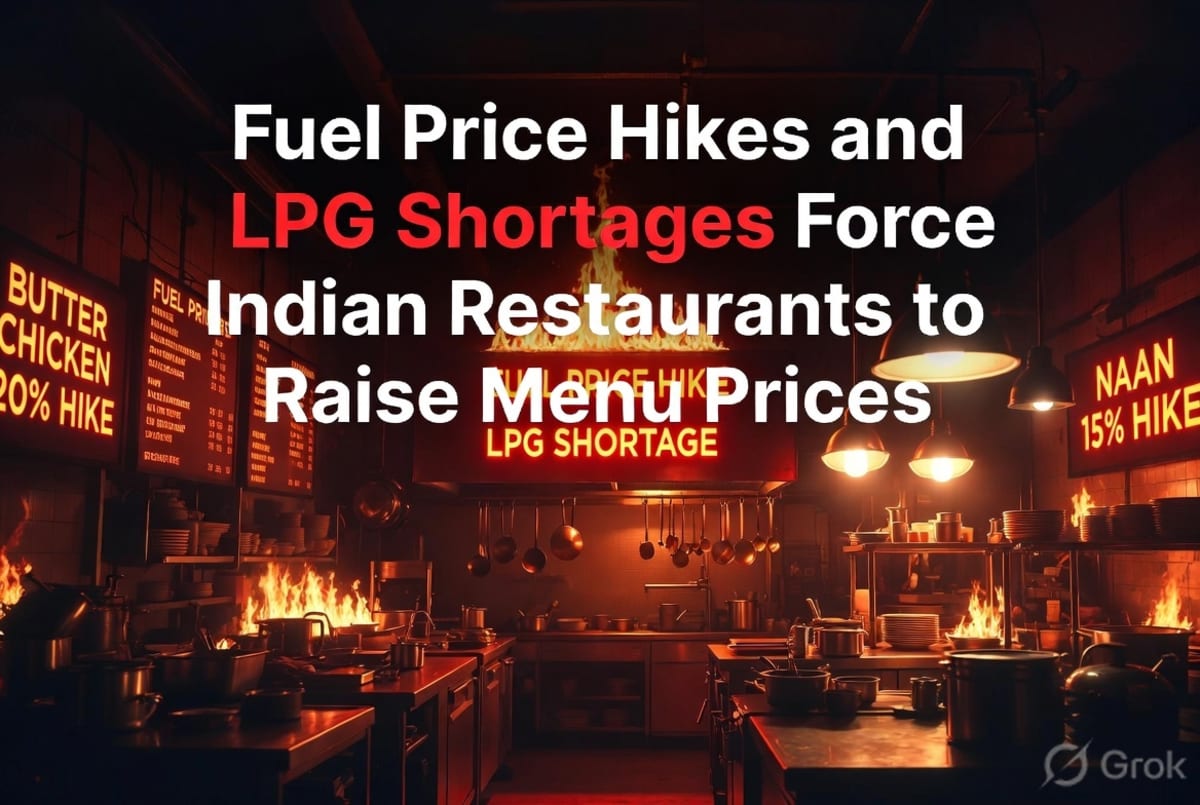
The Indian food industry is facing a significant challenge as rising fuel prices and persistent LPG shortages compel restaurants to consider a 5-10% increase in menu prices beginning next week. This surge in operational costs, coupled with existing supply chain disruptions, is putting considerable strain on eateries across the country.
Navigating Rising Costs Amidst Supply Chain Disruptions
Industry executives have indicated that the recent hikes in petrol and diesel prices by state-run oil companies are directly translating into higher transportation, packaging, and raw material expenses for restaurants. Vikrant Batra, founder of Cafe Delhi Heights, a chain with 50 outlets in 17 cities, stated that the company has "no choice but to increase prices" due to these escalating costs. This sentiment is echoed across the sector, with many establishments finding price adjustments unavoidable to maintain profitability.
The situation is exacerbated by ongoing LPG shortages, which have pushed many restaurants towards black-market purchases at inflated prices. Data from an internal survey by the National Restaurant Association of India (NRAI) revealed that approximately 10% of restaurants temporarily shut down last month. Furthermore, a significant majority, between 60-70%, have resorted to shifting to induction or alternative fuels, or have been forced to shorten their menus and reduce operating hours. The association estimates that the sector could face losses of up to Rs 2,650 crore per day and Rs 79,000 crore per month if the current situation persists.
Broader Economic Ripples: From Milk to Staples
The pressure on the food industry extends beyond just fuel and gas. Raw material costs are also on the rise, with recent price increases for milk by major dairies like Amul and Mother Dairy. Executives have warned that escalating transportation costs will inevitably lead to higher prices for vegetables, fruits, and other staple goods, further impacting household budgets. This inflationary pressure is expected to travel from restaurant menus and delivery apps directly to consumers' kitchens.
Consumer Impact and Industry Adaptation
The cumulative effect of these rising costs is a potential increase in food prices for consumers, affecting everything from a popular biryani bowl to everyday burgers and snacks. For restaurants, the struggle to maintain service quality amidst these challenges has led to lower visit frequency and reduced discretionary spending by diners. The NRAI survey highlighted that inconsistent service, including menu cuts and reduced operating hours, has negatively impacted customer loyalty and repeat dining experiences.
In response to these multifaceted pressures, the Indian food industry is actively exploring various adaptation strategies. While some are increasing prices, others are streamlining operations to mitigate the impact. The coming weeks will be crucial in determining how effectively the sector can navigate these economic headwinds and maintain its service standards while catering to consumer demand.