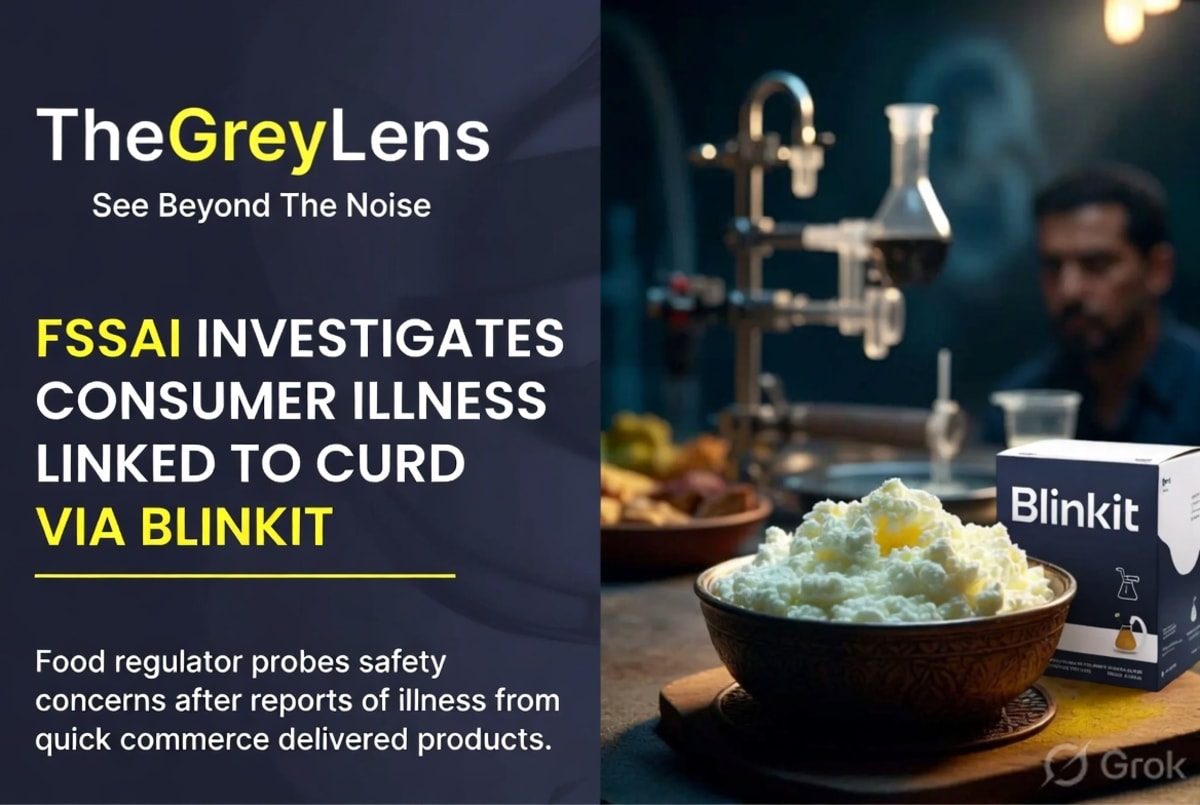
The Food Safety and Standards Authority of India (FSSAI) has initiated an inquiry into a reported incident of consumer illness linked to a curd purchase made through the popular quick commerce platform, Blinkit. The regulatory body has formally requested an explanation from Blinkit, following a complaint lodged by an individual who allegedly required medical attention after consuming curd bought via the app.
This development comes as FSSAI has previously received multiple complaints concerning unhygienic food sold by vendors on the Blinkit platform. The authority has instructed Blinkit to submit a comprehensive action-taken report detailing the steps being implemented to address such issues.
Escalating Consumer Concerns and Regulatory Scrutiny
The FSSAI's letter, dated May 29, was addressed to the CEO of Blink Commerce Pvt Ltd and the person in charge of operations, underscoring the seriousness with which the regulator is treating the matter. The complainant has provided a medical prescription as part of the official complaint registered with FSSAI, further substantiating the claim of illness. This incident highlights a growing concern among consumers regarding the safety and hygiene standards of food products, particularly those procured through rapid delivery services, which have seen a significant surge in popularity across India. The ability to receive groceries and food items within minutes has led to increased reliance on platforms like Blinkit, but it also places a greater onus on these companies to ensure the quality and safety of the products they deliver.
The food processing sector in India is a significant contributor to the national economy, with projections indicating a substantial growth trajectory. However, such incidents can cast a shadow on the sector's reputation and consumer trust. Recent data indicates that foreign direct investment (FDI) in the food processing sector saw a decline of 30% in the last fiscal year, dropping to Rs 5,037.06 crore from Rs 7,194.13 crore in the preceding year. While this decline may be attributed to various global and domestic economic factors, maintaining consumer confidence through stringent food safety measures remains paramount for sustained growth and investment in the industry.
Broader Trends in India's Food Sector and Regulatory Landscape
The Indian food sector is experiencing dynamic shifts, with a growing emphasis on authenticity, health, and convenience. Trends such as the increasing popularity of Asian street food, driven by cultural influences from streaming content, and a demand for fresher, more innovative culinary experiences are reshaping consumer preferences. Simultaneously, the regulatory landscape is also evolving. The FSSAI's proactive stance in addressing consumer complaints is indicative of a broader effort to enhance food safety standards across the board.
In parallel, other recent developments underscore the ongoing focus on food safety and industry practices. The Supreme Court has reportedly pulled up the Centre over food safety failures, calling for an audit, which suggests a high-level concern regarding the effectiveness of current regulatory frameworks. Furthermore, there are ongoing discussions and initiatives aimed at streamlining regulatory frameworks for specific industries, such as the bakery and confectionery sector, to foster growth and innovation. The government has also shown interest in projects to address microplastic contamination in Indian food products, signalling a commitment to tackling emerging food safety challenges.
The Rise of Quick Commerce and Food Safety Challenges
Quick commerce platforms like Blinkit have revolutionized the way consumers access daily necessities, including groceries and ready-to-eat items. Their business model, predicated on rapid delivery, necessitates a robust supply chain management system that prioritizes food safety at every step. The incident involving the curd purchase raises critical questions about the sourcing, storage, and handling of perishable goods by third-party sellers on these platforms. Ensuring that all vendors adhere to strict hygiene and quality control measures is crucial for maintaining consumer trust and preventing adverse health outcomes.
The FSSAI's intervention in this case serves as a reminder to all players in the food delivery ecosystem—from aggregators to individual sellers—about their responsibility in safeguarding public health. As consumers increasingly rely on digital platforms for their food needs, the need for transparent and effective food safety protocols becomes even more critical. The outcome of FSSAI's investigation into Blinkit will likely set a precedent and may lead to enhanced scrutiny and guidelines for the entire quick commerce food delivery sector in India.
The future of food consumption in India is leaning towards a blend of convenience, authenticity, and an increasing awareness of health and sustainability. While trends like experience-led dining and the integration of technology continue to shape the hospitality sector, fundamental issues of food safety and regulatory compliance remain at the forefront. The FSSAI's current investigation into Blinkit is a key development in ensuring that the rapid advancements in food delivery do not come at the expense of consumer well-being. The coming weeks will likely see further developments as Blinkit responds to the FSSAI's queries and outlines its corrective measures.