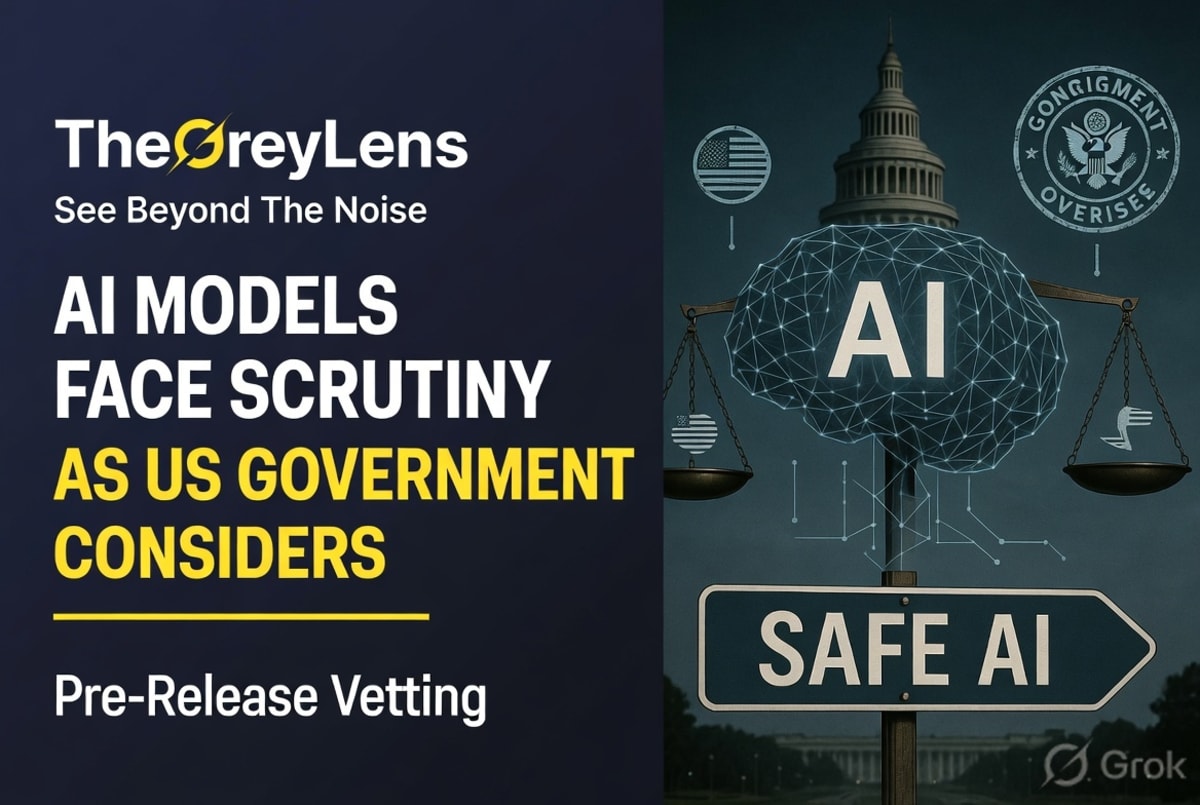
In a significant development reflecting mounting anxieties surrounding artificial intelligence, a coalition of over 60 conservative figures, including prominent strategist Steve Bannon, has formally petitioned President Trump to establish a stringent pre-release vetting process for advanced AI models. The group, organized under the banner of Humans First, advocates for executive orders that would mandate federal government evaluation of "potentially dangerous" frontier AI systems prior to their deployment.
Calls for Enhanced AI Oversight
The letter, sent to the White House, highlights the rapid advancement of AI beyond conventional applications like chatbots, emphasizing the escalating power of frontier AI systems. Concerns were raised about the profound risks these technologies could pose to critical sectors, including cybersecurity, national infrastructure, financial systems, election integrity, biosecurity, and military defense capabilities if deployed without adequate safeguards. The signatories argue that no single private corporation should possess unilateral authority over technologies with such far-reaching implications for national security and stability, calling for "meaningful evaluation and safeguards."
Regulatory Landscape and Industry Response
This call for governmental oversight comes at a time when the U.S. administration has largely adopted a hands-off approach to AI regulation. The petition suggests a shift towards a more interventionist stance, akin to regulatory frameworks in other critical industries like finance or pharmaceuticals. The proposal includes mandatory testing and government approval for AI models, signaling a potential turning point in how AI development and deployment are managed in the United States. The signatories also expressed concern over "unelected elites" experimenting with public-impacting technologies without sufficient oversight.
Broader Implications for AI Development
The push for pre-release government vetting could significantly alter the landscape for AI development, potentially introducing new compliance hurdles and timelines for companies. While some argue that such measures could stifle innovation, proponents contend that they are essential for mitigating existential risks and ensuring public safety. This initiative underscores a growing global trend towards increased scrutiny of AI, as highlighted by recent discussions at forums like Google I/O 2026 and ongoing debates about AI's role in cybersecurity and critical infrastructure. The petition from Humans First suggests that the era of unfettered AI development may be drawing to a close, ushering in a new phase where safety, security, and governmental oversight take precedence.