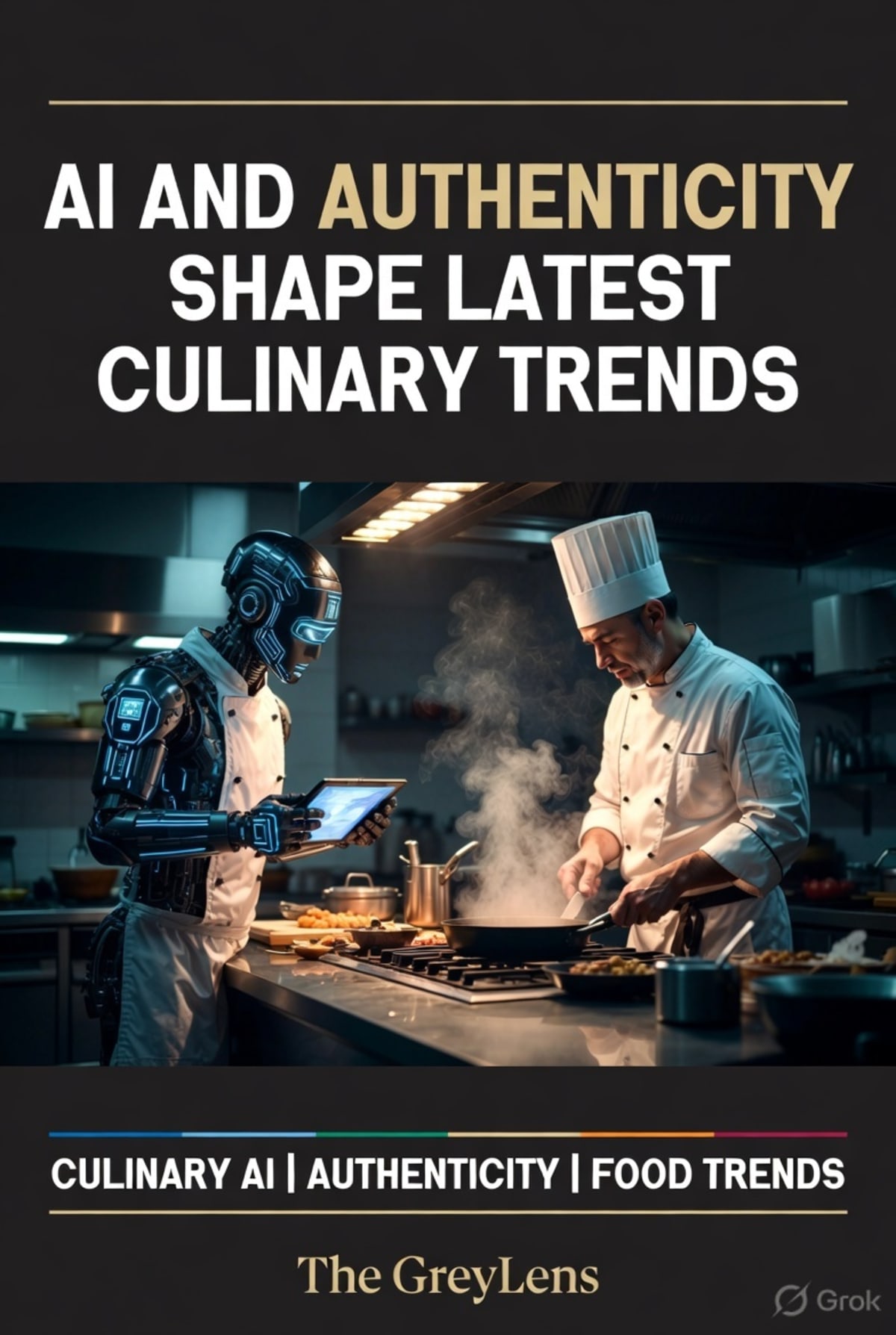
The culinary landscape is rapidly evolving, with Artificial Intelligence emerging as a key driver for personalized dining experiences, while a strong counter-trend emphasizes authentic, traditional cuisines. Restaurants are exploring AI not just for operational efficiency, such as automating online ordering and payroll, but also for enhancing customer engagement through personalized menu recommendations and even customized orders, according to recent industry reports. A significant majority of operators are already integrating AI into their establishments, signaling its widespread adoption.
Diners, however, are also seeking a return to roots, with a growing appreciation for authentic, traditional flavors and simple, home-cooked meals. This movement is characterized by a resurgence of classic establishments like bakeries and bistros, and a preference for 'grandma's recipes' over overly conceptualized dishes. There's a noticeable shift towards a 'small plate renaissance,' with a focus on genuine, unpretentious food served in a friendly atmosphere.
Beyond AI and authenticity, other notable trends include a continued emphasis on delivery services, the proliferation of ghost kitchens, and the rise of virtual restaurants, all bolstered by technological advancements. Consumers are also increasingly conscious of well-being and inclusivity, leading to a greater demand for plant-based options, locally sourced ingredients, and adherence to dietary preferences such as halal.
In the beverage sector, low-alcohol and non-alcoholic options are gaining traction as more consumers prioritize health and mindful consumption. Meanwhile, food manufacturers are navigating evolving consumer demands and regulatory landscapes, with companies investing in natural ingredients and responding to recalls or recalls of products due to contamination concerns. The industry continues to adapt, balancing innovation with a deep respect for culinary heritage.