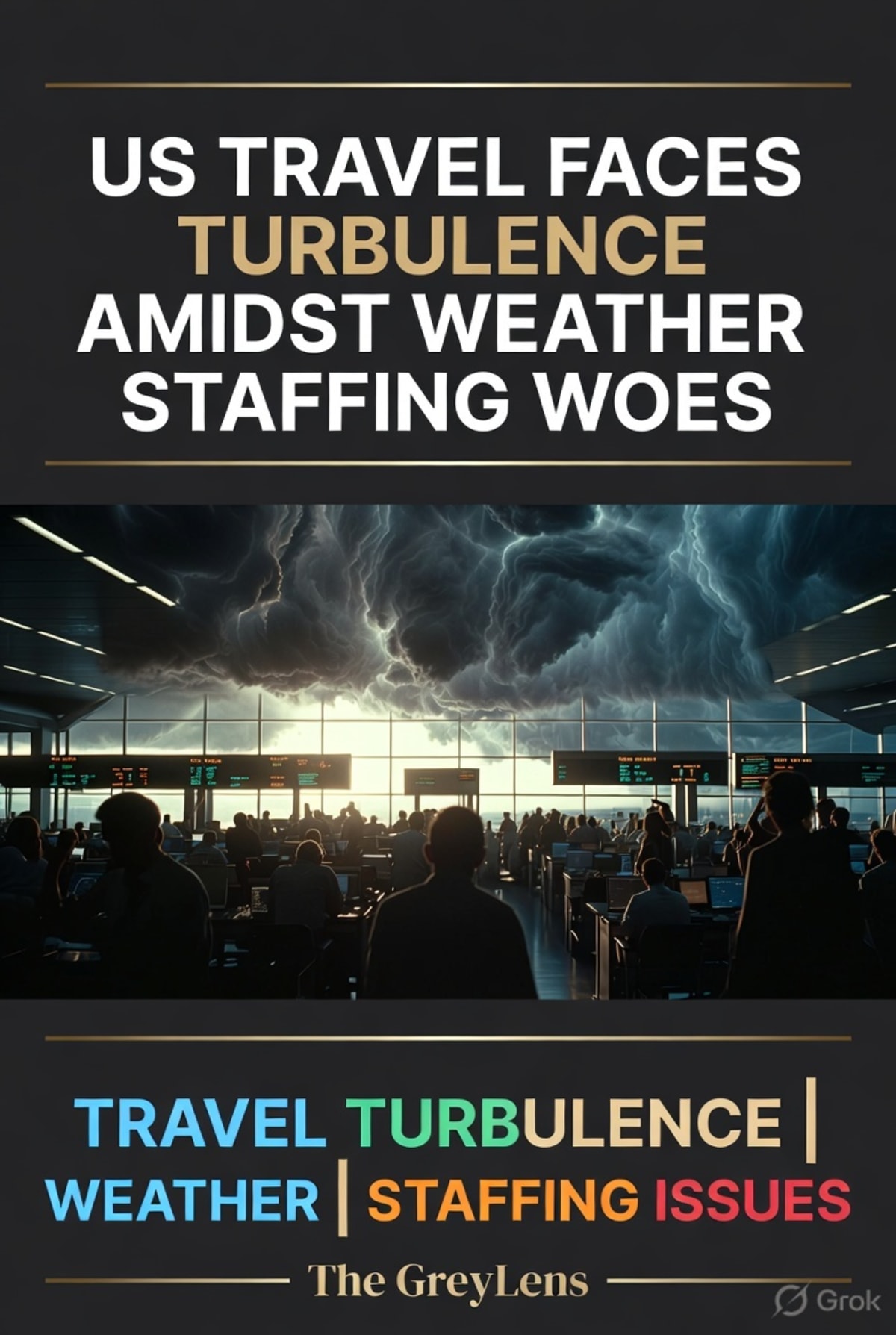
Air travel in the United States has been a landscape of disruptions over the past month, with severe weather patterns and persistent staffing shortages creating a cascade of delays and cancellations. Major hubs, including New York City's JFK, LaGuardia, and Newark, along with Chicago O'Hare and Denver International Airport, have been particularly hard-hit. On several days in early April, thousands of flights were affected nationwide, with reports indicating over 900 cancellations and more than 2,600 delays during peak disruption events. Severe thunderstorms, high winds, and associated air traffic control restrictions have been primary culprits, leading to ground stops and reduced landing capacities. This volatile weather, combined with tightly integrated airline schedules, has created a system highly vulnerable to disruption. The ripple effects have been felt across the country, with aircraft and crews falling out of position, exacerbating delays. Airlines have warned travelers to recheck itineraries and monitor updates closely. Adding to the operational challenges, some European airlines, such as Ryanair and KLM, are facing potential disruptions due to rising jet fuel costs and supply concerns, leading to flight cancellations and route reductions. This is impacting transatlantic travel, with Edelweiss Air canceling U.S. flights to Denver and Seattle. In a contrasting trend, global tourism is experiencing a robust recovery, surpassing pre-COVID records. International tourist arrivals reached approximately 1.6 billion in 2025, with France remaining the most visited country. Notably, Greece has seen a remarkable 37% surge in American tourist arrivals, with summer 2026 bookings running 34% ahead of last year. This shift is partly attributed to ongoing tensions in the Middle East, which have impacted travel to that region, redirecting demand towards European destinations like Greece. The U.S. travel landscape also faces evolving visa policies. The April Visa Bulletin indicates accelerated availability for certain immigrant visa categories for Chinese and Indian nationals, while other policy changes under the Trump administration continue to restrict legal immigration pathways, including new vetting guidelines and a pause on permanent visa issuance for numerous countries. Amidst these varied developments, the U.S. Department of State has issued a travel advisory for the upcoming 2026 FIFA World Cup, warning visitors of potential rights violations due to the current administration's immigration policies, urging enhanced caution and preparedness.
Lifestyle
US Travel Faces Turbulence Amidst Weather, Staffing Woes and Shifting Global Dynamics
Recent weeks have seen significant flight disruptions across the US due to severe weather and staffing shortages, while global tourism shows a strong rebound, with Greece seeing a surge in American visitors.
Report an error/suggestion: news@thegreylens.com