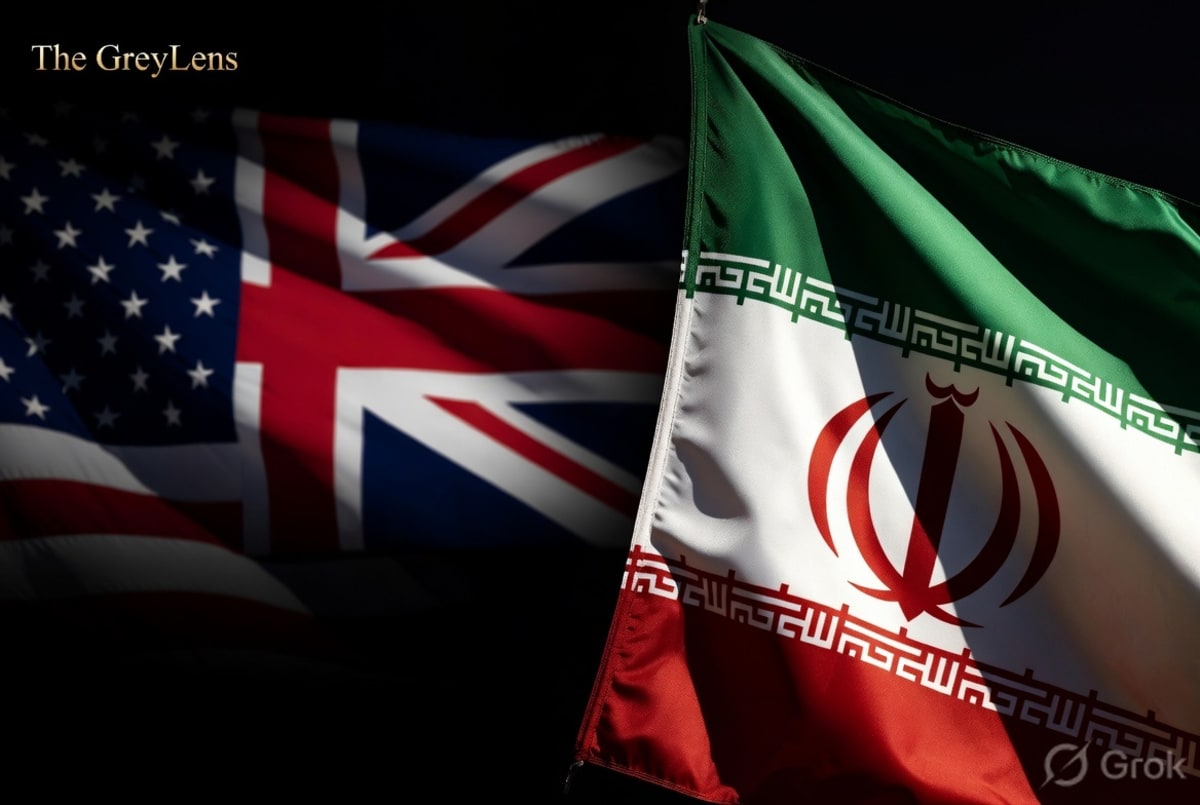
The world has exhaled a collective sigh of relief as a critical two-week ceasefire between the United States and Iran took hold, averting a wider conflict. This diplomatic breakthrough, facilitated by third-party intervention, follows a period of intense escalation where US President Donald Trump had threatened significant bombing campaigns against Iran. The agreement not only halts immediate hostilities but also includes Iran's temporary reopening of the Strait of Hormuz, a vital artery for global oil trade.
For the United Kingdom, however, the de-escalation has cast a stark spotlight on its own geopolitical vulnerabilities and military readiness. The conflict, which has been simmering for over a month and a half, has revealed a significant strain on the "special relationship" between the US and the UK. President Trump has publicly expressed frustration with UK Prime Minister Keir Starmer's initial reluctance to fully support the US-led military action, reportedly dismissing the UK's capabilities and its leader's resolve. This has led to a noticeable distancing of the UK government from the US president's more aggressive stance, even as it insists on the underlying strength of the bilateral relationship.
Beyond the diplomatic reverberations, the conflict has also underscored the UK's exposure to energy market volatility. Even with the reopening of the Strait of Hormuz, energy analysts anticipate continued economic repercussions for the British public. Projections suggest a significant increase in fuel prices, potentially mirroring levels seen in 2022, and a substantial rise in annual energy bills. This vulnerability highlights the interconnectedness of global energy security and the broader geopolitical landscape, demonstrating how regional conflicts can have tangible impacts on domestic economies.
Furthermore, the conflict has brought into sharp focus the state of British military readiness. Experts have pointed to the UK's perceived lack of military capacity and defensive weaknesses, citing delays in the deployment of naval assets to the region. The incident involving HMS Dragon, which arrived in the eastern Mediterranean weeks after a drone strike on a British base, and subsequent issues with its onboard systems, has been highlighted as an example of these challenges. These revelations prompt critical questions about the UK's ability to project power and respond effectively to emerging global security threats in an increasingly volatile international environment.