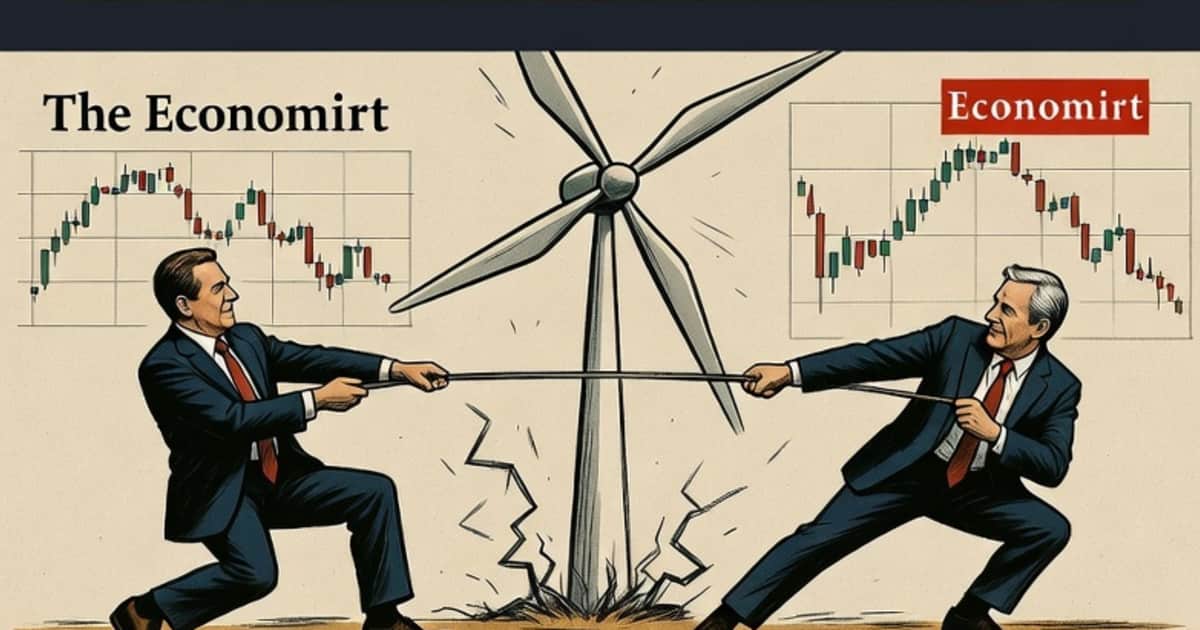
With local elections on the horizon across England, Scotland, and Wales, the UK's political discourse is increasingly shaped by divergent approaches to the green transition and energy policy. The Guardian highlights a growing chasm between parties, particularly concerning renewable energy development and the future of fossil fuels, a debate amplified by recent global energy price volatility. This electoral period sees Conservative and Reform UK parties shifting away from net-zero commitments, while parties in Scotland and Wales adopt varying stances, influencing the national climate conversation.
Shifting Political Tides on Renewables
In England, the primary energy policy decisions are centralized in Westminster, but the stances taken by new governments in Scotland and Wales are poised to have a considerable impact beyond their borders. The political landscape is becoming increasingly tribal, with Conservatives moving away from supporting net-zero goals and Reform UK actively opposing renewables. Among Scottish parties, only the Greens remain unequivocally against new fossil-fuel developments in the North Sea. The Scottish National party, under John Swinney, has softened its previous opposition to certain oilfield developments, while Scottish Labour has thrown its support behind new nuclear power. This divergence underscores the complex challenges facing the UK's transition to sustainable energy sources, with different regions and parties prioritizing distinct pathways.
Energy Price Shocks and the Urgency of Transition
The global energy price shocks of recent years have injected a new sense of urgency into the climate debate. While some governments have opted for short-term solutions like fuel tax cuts, others, including leaders in Europe and India, are emphasizing a hastened transition towards renewables. This global context is playing out domestically, as the UK grapples with how best to respond to fluctuating energy costs. The Guardian notes that despite the political divisions, the growing danger from carbon emissions remains the most compelling reason for a global shift to clean energy. The failure of past climate conferences to overcome resistance from petrostates and businesses highlights the need for a more robust and unified approach.
The Path Forward: Public Support and Political Will
Recent upturns in electric vehicle and solar panel sales in the UK and continental Europe demonstrate that public behaviour can indeed be influenced by circumstances and a clear direction. However, the effectiveness of this transition hinges on broad-spectrum support, extending beyond the major policy decisions made in Westminster. The article suggests that while governments are the most powerful actors, businesses and individuals also play a crucial role in market societies. As the elections conclude, the newly formed administrations will face the critical task of fostering public buy-in for the green transition, which is both urgent and essential for long-term success. The coming years will be pivotal in determining whether the UK can navigate these political divisions and accelerate its shift towards a post-fossil fuel future, ensuring energy security and environmental sustainability.