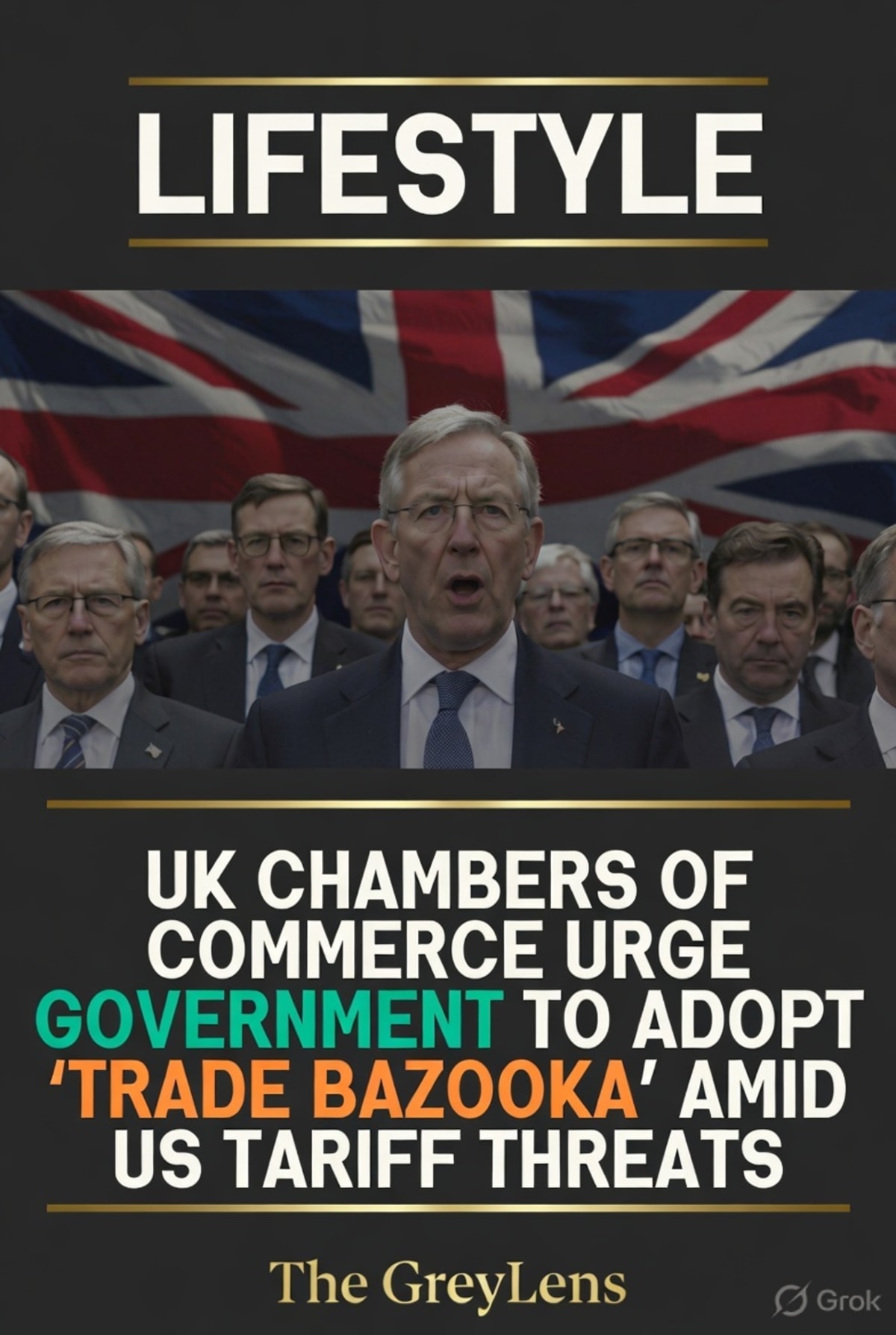
London, UK – May 3, 2026 – The British Chambers of Commerce (BCC), representing 50,000 companies and six million employees, has urged the UK government to bolster its economic security by adopting a "trade bazooka" similar to the European Union's anti-coercion instrument. This call to action follows threats from US President Donald Trump to impose additional tariffs on the UK, escalating trans-Atlantic trade tensions. The BCC voiced concerns that the country's "inadequate economic security" is jeopardizing GDP growth and employment.
Escalating Trans-Atlantic Tensions
President Trump recently indicated that the UK-US Economic Prosperity Deal, established to reduce previously imposed tariffs, could be subject to change. He expressed dissatisfaction with the UK's level of support for the US-Israel military campaign in Iran, suggesting that the UK's stance had strained the relationship. The BCC highlighted that these recent trans-Atlantic tensions are the latest in a series of challenges for UK businesses, compounded by government neglect, the UK's departure from the EU, the COVID-19 pandemic, the conflict in Ukraine, and the ongoing fighting in Iran. These cumulative pressures have reportedly damaged supply chains and limited access to raw materials.
The EU's 'Trade Bazooka' Model
The proposed "trade bazooka" for the UK would function as an anti-coercion instrument, empowering the government to impose restrictions on countries deemed economic aggressors. Such measures could include limiting access to public procurement programs and financial markets, as well as restricting property purchases and foreign direct investment. The EU's instrument, though not yet deployed, has been used as a deterrent in trade disputes with China and the US. The BCC believes that adding such a tool to the UK's "arsenal of responses" would help counteract years of perceived governmental neglect.
Broader Economic Headwinds
The call for enhanced trade protection measures comes amidst a complex economic landscape for the UK. Recent data from April 2026 indicated that CPI inflation stood at 3.3%, an increase from February, while the Bank of England maintained interest rates at 3.75%. The UK's GDP growth has shown modest improvement, with estimates suggesting a 0.5% increase in late 2025 to early 2026. However, the economy has faced challenges, including post-Brexit supply chain issues and a strengthening real exchange rate, which have impacted goods trade. Furthermore, the ongoing geopolitical situation, particularly the conflict in Iran, has led to volatile oil prices and concerns about energy security, prompting warnings from both the European Central Bank and the Bank of England about potential interest rate adjustments.
The BCC's report also suggested that UK companies should receive greater support through a more prominent role in the country's defense industry. This multifaceted approach aims to create a more resilient economic environment capable of withstanding external pressures and safeguarding national interests in an increasingly uncertain global trade landscape. The government's response to this call for a "trade bazooka" is anticipated, as it seeks to navigate complex international trade relations and protect its domestic economy.