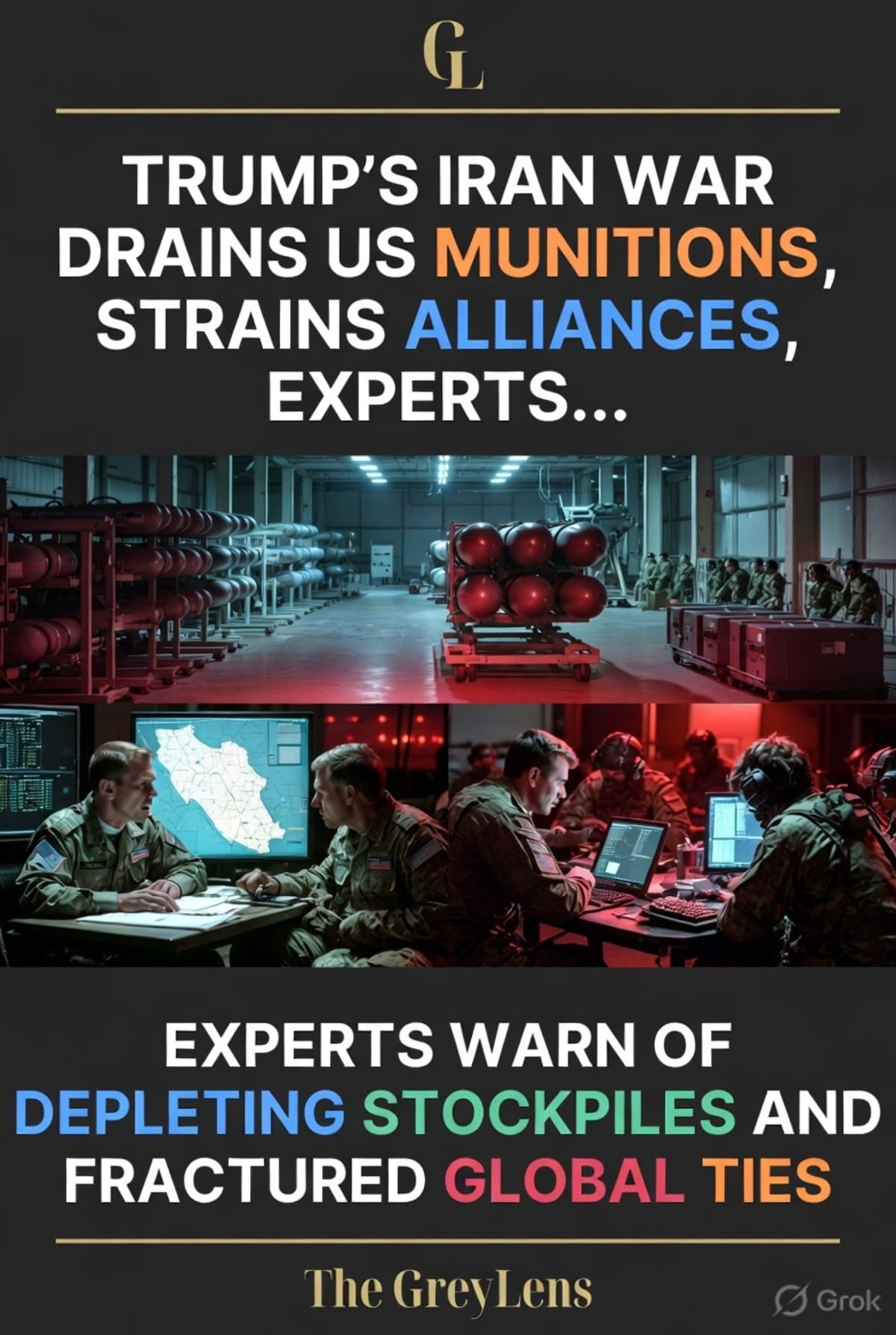
The protracted war in Iran, now in its eighth week, is significantly depleting the U.S. military's global supply of munitions and has forced the Pentagon to divert critical hardware from other commands, a move that experts warn is weakening America's readiness against potential adversaries like Russia and China. This strategic drawdown has prompted concerns among defense officials and congressional members about the U.S.'s ability to scale up production to meet current demands.
President Trump has maintained a defiant stance, asserting that he cannot be rushed into ending the conflict and expressing no anxiety about its duration. However, the war's economic impact is palpable, with rising gas prices and concerns about broader inflation affecting American consumers. The head of the International Energy Agency has described the situation as the "biggest energy security threat in history".
Compounding the domestic and military strain, the war is also fracturing international alliances. European nations, weary of what they perceive as erratic U.S. foreign policy under the Trump administration, are increasingly seeking strategic autonomy. Reports indicate that governments are exploring alternatives to U.S.-dominated financial platforms and software, with some countries debating the repatriation of gold reserves from New York. This shift is partly attributed to a growing distrust in U.S. leadership, with some European commentators noting that allies are no longer willing to "grovel to stay on Trump's good side".
The Pentagon itself is reportedly experiencing "considerable chaos" due to repeated firings of senior officers, adding to the internal instability during this critical period. Retired General Barry McCaffrey has commented on the significant leadership changes within the military, noting that such upheaval is occurring concurrently with the ongoing conflict in the Middle East and shifts in global power dynamics.
Meanwhile, Iran continues to assert control over the Strait of Hormuz, imposing tolls on passing ships, while the U.S. has continued to seize vessels suspected of transporting Iranian oil. This ongoing naval activity has contributed to a surge in oil prices, with crude topping $105 per barrel and gas prices remaining elevated across the United States. The situation remains a complex standoff, with both sides appearing unwilling to de-escalate without achieving their respective objectives, raising concerns about a prolonged and costly conflict.