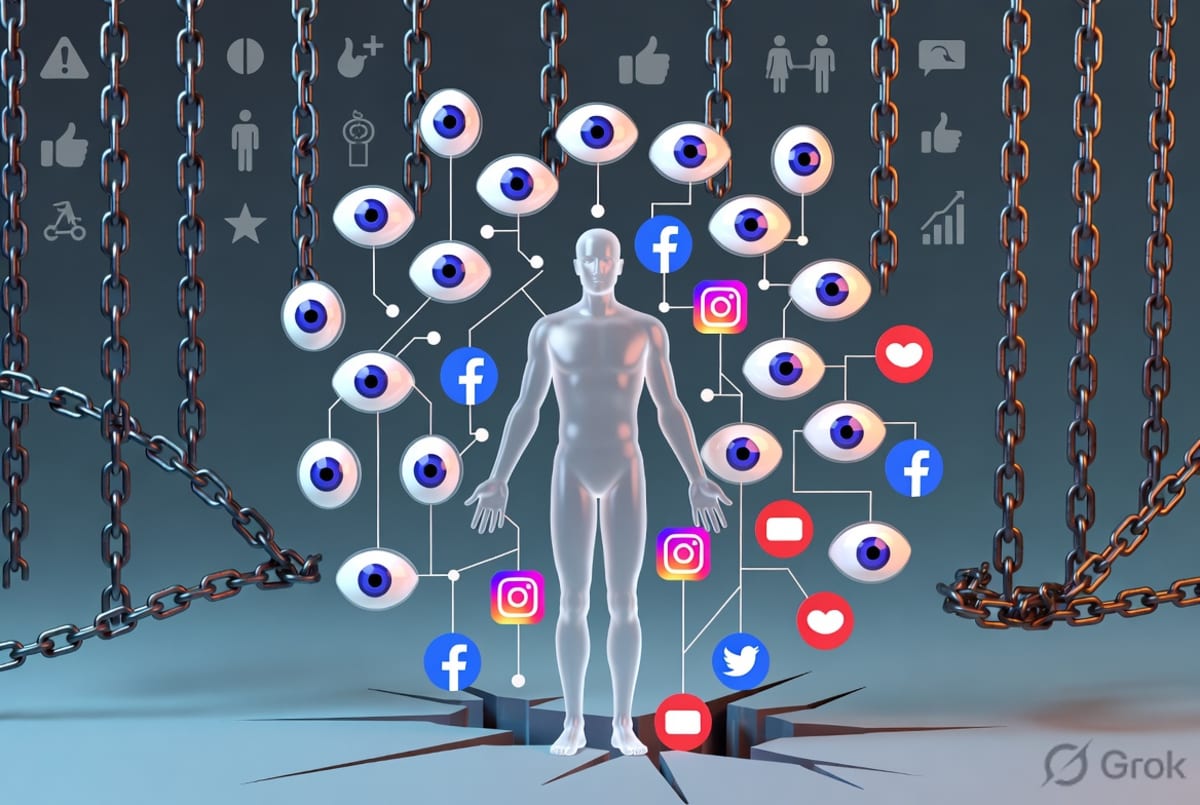
In an era defined by constant digital connection, the very architecture of social media is built upon a foundation of pervasive data collection. Platforms like Meta, TikTok, and X (formerly Twitter) employ sophisticated tracking technologies that monitor user activity not only within their apps but across the internet and even other devices. This relentless harvesting of personal information – from our interests and behaviors to our intimate details – fuels a business model that prioritizes engagement and profit over user privacy. The consequence is an increasingly opaque digital ecosystem where individuals have little understanding or control over how their data is collected, processed, and ultimately monetized.
The alarming reality is that this data extraction extends beyond active users. Even those who consciously avoid social media platforms are subject to these pervasive data collection practices, as major tech companies amass dossiers on non-users and their practices can influence broader consumer behavior. This unchecked power allows Big Tech to shape our online experiences, curate the information we access, and even manipulate public opinion. As human rights campaigners note, this kind of data collection is fundamentally incompatible with the right to privacy, transforming individuals into products whose activity becomes assets for the companies. This model raises profound concerns about discrimination, manipulation, and the erosion of fundamental human rights.
Furthermore, the proliferation of artificial intelligence exacerbates these privacy risks. AI models, essential for content curation, targeted advertising, and platform personalization, are trained on vast datasets of user information. This reliance on sweeping data collection practices heightens privacy concerns and can lead to distortive and discriminatory outcomes. The consolidation of power through mergers and acquisitions by dominant companies further stifles competition and blocks the emergence of privacy-focused alternatives, solidifying a landscape where user data is vulnerable to misuse by third parties, including law enforcement.
The current regulatory landscape is proving inadequate to address these challenges. While some regulations like the EU's GDPR offer benchmarks, comprehensive data protection legislation in many regions remains fragmented. This leaves individuals exposed, their rights diluted by complexity, opacity, and profound power asymmetries. As a 2023 Pew Research Center survey revealed, a significant majority of Americans feel they have little to no control over how their data is used by companies and the government, with many admitting to clicking "agree" on privacy policies without reading them due to their length and technical nature. This widespread distrust underscores the urgent need for stronger data protection laws and a fundamental shift towards prioritizing user privacy and ethical data stewardship in the digital age.
---
⚠️ This article used AI assistance. Please verify facts independently.