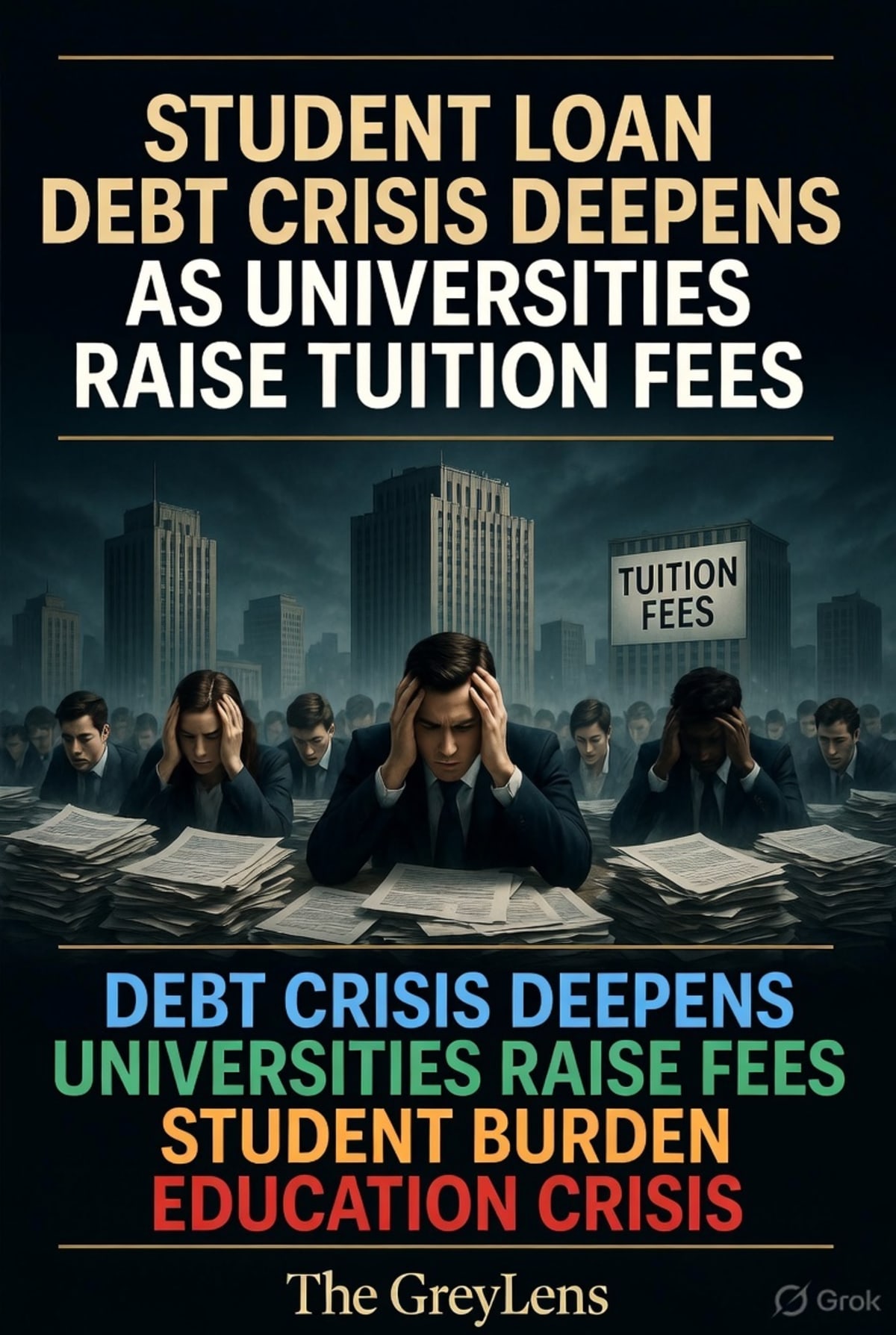
The persistent issue of student loan debt continues to cast a long shadow over higher education in the United States, with recent analyses pointing to an unsustainable trajectory. Universities, facing their own budgetary pressures, have seen tuition fees climb steadily, forcing more students to rely on loans to finance their degrees. This trend, according to reports from Bloomberg, is creating a significant barrier to entry for many and a substantial financial overhang for those who graduate. Young professionals are finding themselves entering the workforce with considerable debt, impacting their ability to save, invest, or purchase homes, thereby delaying key life milestones.
The ramifications of this escalating debt crisis extend beyond individual financial struggles, affecting broader economic growth. A significant portion of the nation's consumer spending power is tied up in debt repayment, a situation that economists, cited by Reuters, suggest could stifle innovation and entrepreneurship. The current model, where the cost of education outpaces wage growth for many entry-level positions, necessitates a re-evaluation of funding mechanisms and institutional spending. Without intervention, the cycle of debt is likely to perpetuate, impacting future generations' access to higher education and their financial well-being.
Furthermore, the human element of this crisis cannot be overstated. Stories emerging from various educational institutions highlight the immense stress and anxiety faced by students and their families as they navigate the complexities of financial aid and loan repayment. The dream of higher education is increasingly becoming a source of financial peril, rather than a pathway to opportunity for many. This situation demands urgent attention from policymakers, educational institutions, and financial bodies to explore sustainable solutions that alleviate the burden on students and ensure the accessibility and affordability of higher education for all.