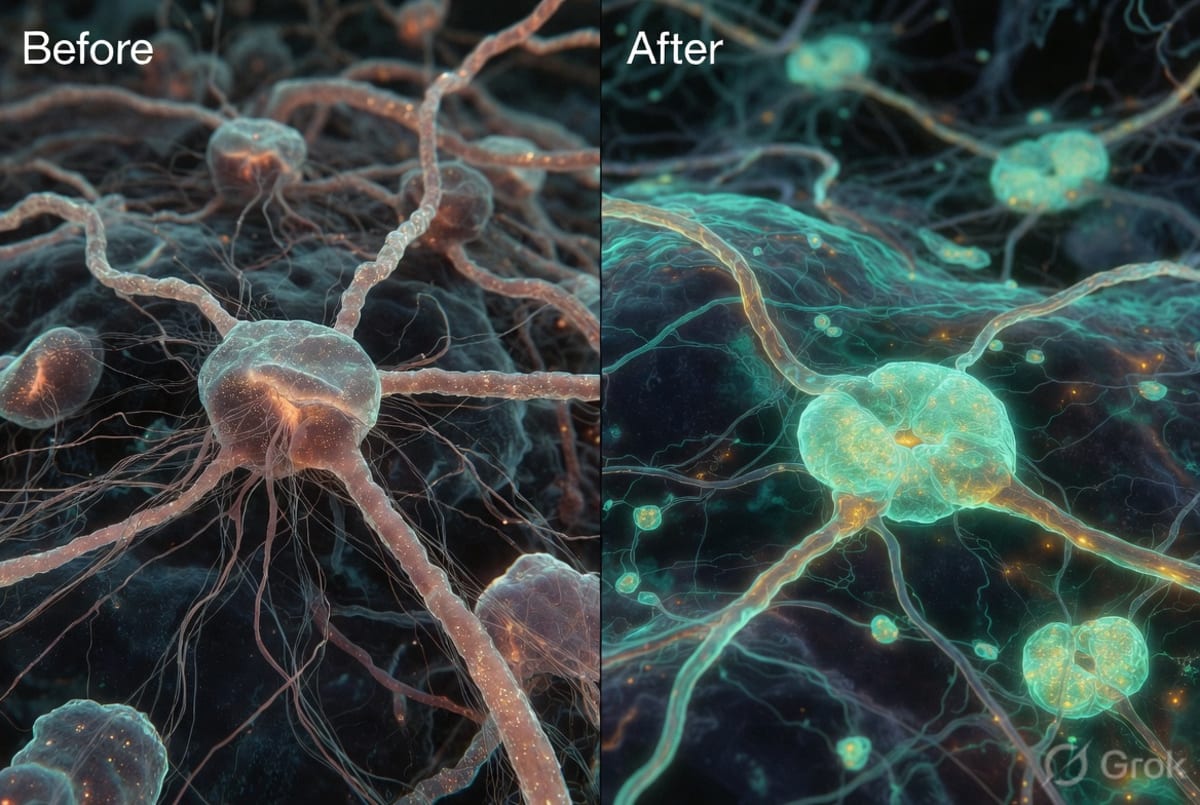
In a significant development in the understanding of brain aging, scientists have pinpointed a protein that may be a key driver of cognitive decline in later life. The protein, identified as FTL1, has been observed in aging mice to weaken connections between brain cells, leading to a noticeable decline in memory. This discovery, reported on April 5, 2026, opens up new avenues for research into how to slow or even reverse the aging process in the brain.
The research, which focused on aging mice, found that higher levels of FTL1 were associated with poorer cognitive function. Crucially, when scientists were able to reduce the levels of this protein, they observed a reversal of these negative effects, with brain cell connections strengthening and memory function improving. This suggests that FTL1 could be a critical target for developing interventions to preserve cognitive health as individuals age.
While the current findings are based on studies in mice, the implications for human health are profound. Age-related cognitive decline, including conditions like Alzheimer's disease and other forms of dementia, affects millions worldwide. Identifying a specific molecular target like FTL1 provides a concrete starting point for developing new therapeutic strategies. Future research will likely focus on understanding how FTL1 functions in the human brain and exploring potential drugs or treatments that can safely and effectively modulate its activity.
The identification of FTL1 as a significant factor in brain aging represents a promising step forward in the quest for longevity and cognitive well-being. It underscores the continuous progress in scientific research dedicated to unraveling the complex mechanisms of aging and developing innovative solutions to enhance the quality of life for an aging global population. The potential to intervene in the aging process at a molecular level offers a new horizon of hope for maintaining brain health throughout the lifespan.
---
⚠️ This article used AI assistance. Please verify facts independently.