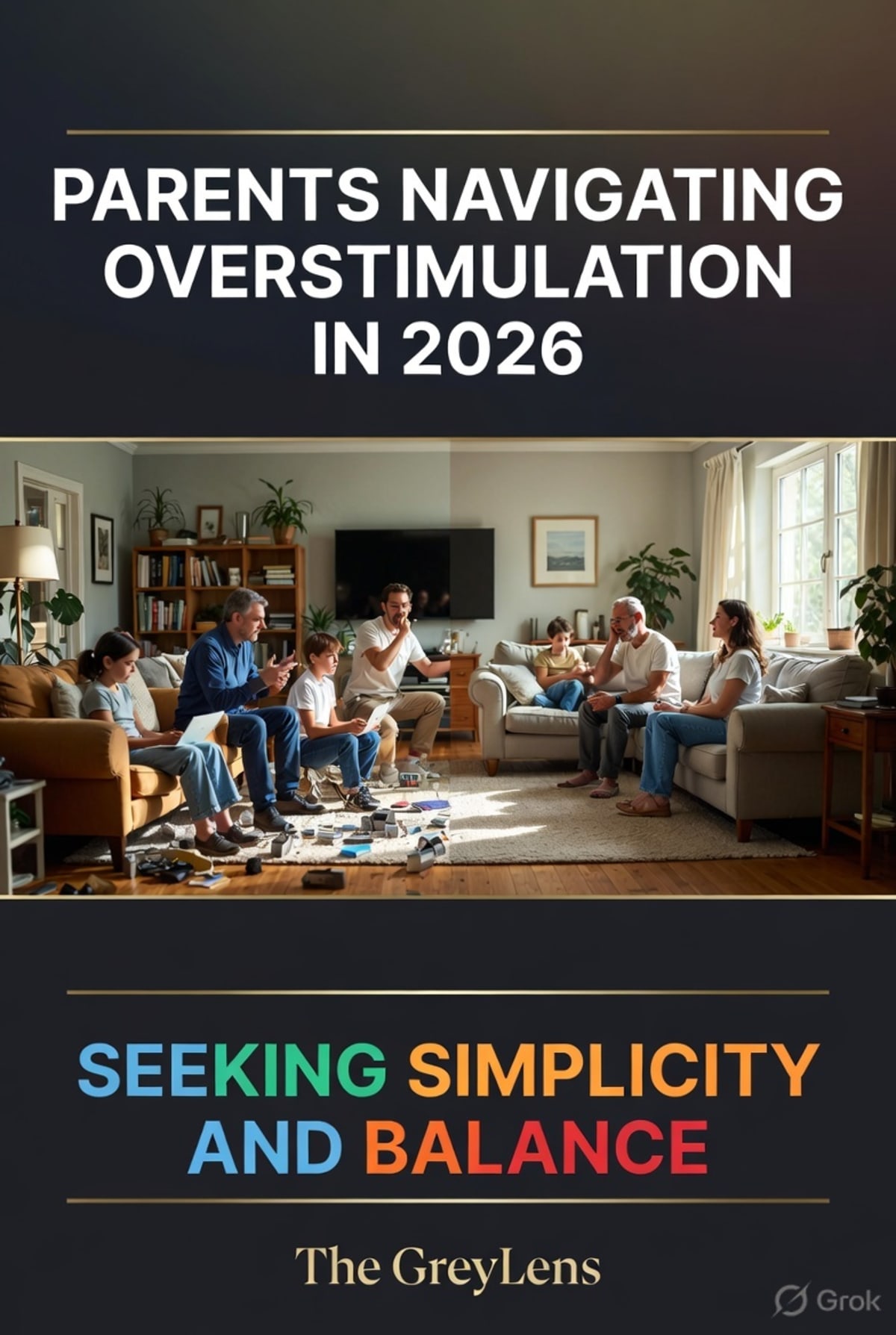
The modern parenting landscape of 2026 is marked by an overwhelming influx of information and expectations, leading many parents to feel stressed and overstimulated. The constant stream of bite-sized parenting tips on social media, coupled with intensive parenting ideals, can fuel anxiety and the feeling of falling short. Experts note that this era pushes for optimizing every aspect of child-rearing, a stark contrast to the less demanding environments of previous generations.
This intense focus on being the 'perfect' parent, often fueled by social media comparisons, is leading to a shift. Trends for 2026 indicate a move away from "Instagram-perfect everything," overscheduled children, and the pressure to keep up with others' spending. Instead, parents are embracing "less curated" and more "real" experiences. There's a growing rejection of extreme "never say no" parenting, with a return to establishing healthy boundaries with empathy. The online version of gentle parenting, which sometimes led to a lack of boundaries, is being replaced by a desire for calm, confident, and kind parenting.
Research also highlights the importance of a "slow, analog childhood," emphasizing unstructured time, backyard play, board games, and crafts. This trend aims to combat the constant digital input children face. Similarly, parents are seeking "analogue downtime" for themselves, prioritizing offline activities like reading and crafting to improve their well-being. The concept of a "village" is also re-emerging, with families seeking real-life community support rather than relying solely on digital connections.
Furthermore, the financial pressures of today are leading to "less stuff, more savings." Parents are prioritizing practical choices, opting for secondhand gear, shared toys, and experience-based gifts over excessive material possessions. This pragmatic approach extends to celebrating "micro-milestones" rather than elaborate, costly events.
In child development, there's a continued focus on supporting parents and caregivers. Early intervention programs are showing sustained impacts on children's academic skills through parental cognitive stimulation. However, research also points to the lingering effects of disruptions like the COVID-19 pandemic, with some children needing ongoing support for executive functioning. The growing awareness of parental stress, even recognized by public health officials, underscores the need for systemic support, such as paid leave and accessible childcare, to help alleviate the immense pressures faced by today's families.