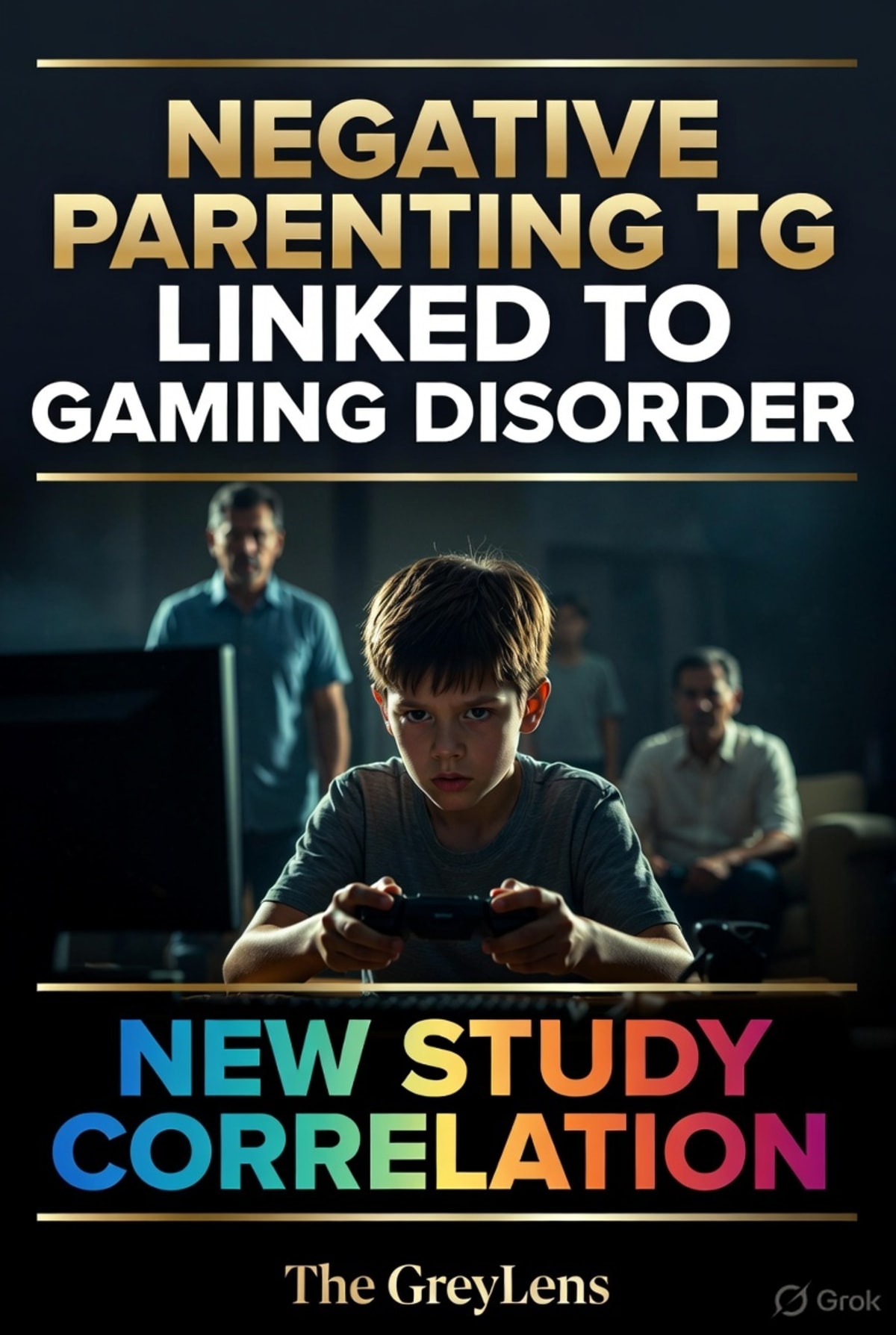
A new study released today reveals a significant association between negative parenting behaviors and the development of gaming disorder in children diagnosed with Attention Deficit Hyperactivity Disorder (ADHD). The findings, presented at the Pediatric Academic Societies (PAS) 2026 Meeting in Boston, suggest that parental actions such as arguing, punishing, and losing one's temper with their children are strongly linked to youngsters meeting the criteria for gaming addiction.
According to lead author Dr. Emily Wassmer, a fellow physician at Children's Hospital of Philadelphia, "We found that negative parenting behaviors... are significantly associated with children meeting criteria for gaming addiction." While the study cannot definitively establish a causal relationship, researchers believe the connection is likely bidirectional, meaning problematic gaming could also contribute to negative parenting behaviors.
The research, which examined factors contributing to Internet Gaming Disorder (IGD) in children with ADHD—a group particularly vulnerable to addictive behaviors—also found that parental involvement in gaming, increased access to consoles, and household limits on gaming were not significantly associated with gaming disorder. This indicates that the nature of the parenting interaction, rather than simply the presence of gaming devices or rules, plays a crucial role.
"Parenting behaviors are modifiable with evidence-based parent training programs, so programs like these may be beneficial for caregivers of gamers whose gaming has reached problematic levels," stated Dr. Wassmer. The study underscores the importance of addressing parenting strategies as a potential intervention point for managing gaming disorder in children with ADHD. With over 80% of American children engaging in video games, this research provides critical insights for parents, educators, and healthcare professionals aiming to support the well-being of young individuals.
"The brain is like a muscle," explained Cory Carvalho, lead author of a separate, recent study on social media and child development, though not directly related to the gaming disorder findings. "The more you use it, the more it changes according to however you're using it." While that study focused on social media's impact on reading and vocabulary, the underlying principle of how consistent behaviors shape development is relevant across various aspects of a child's life, including their engagement with digital media and their interactions with caregivers. The findings from the Children's Hospital of Philadelphia study are expected to be published following the PAS 2026 Meeting.