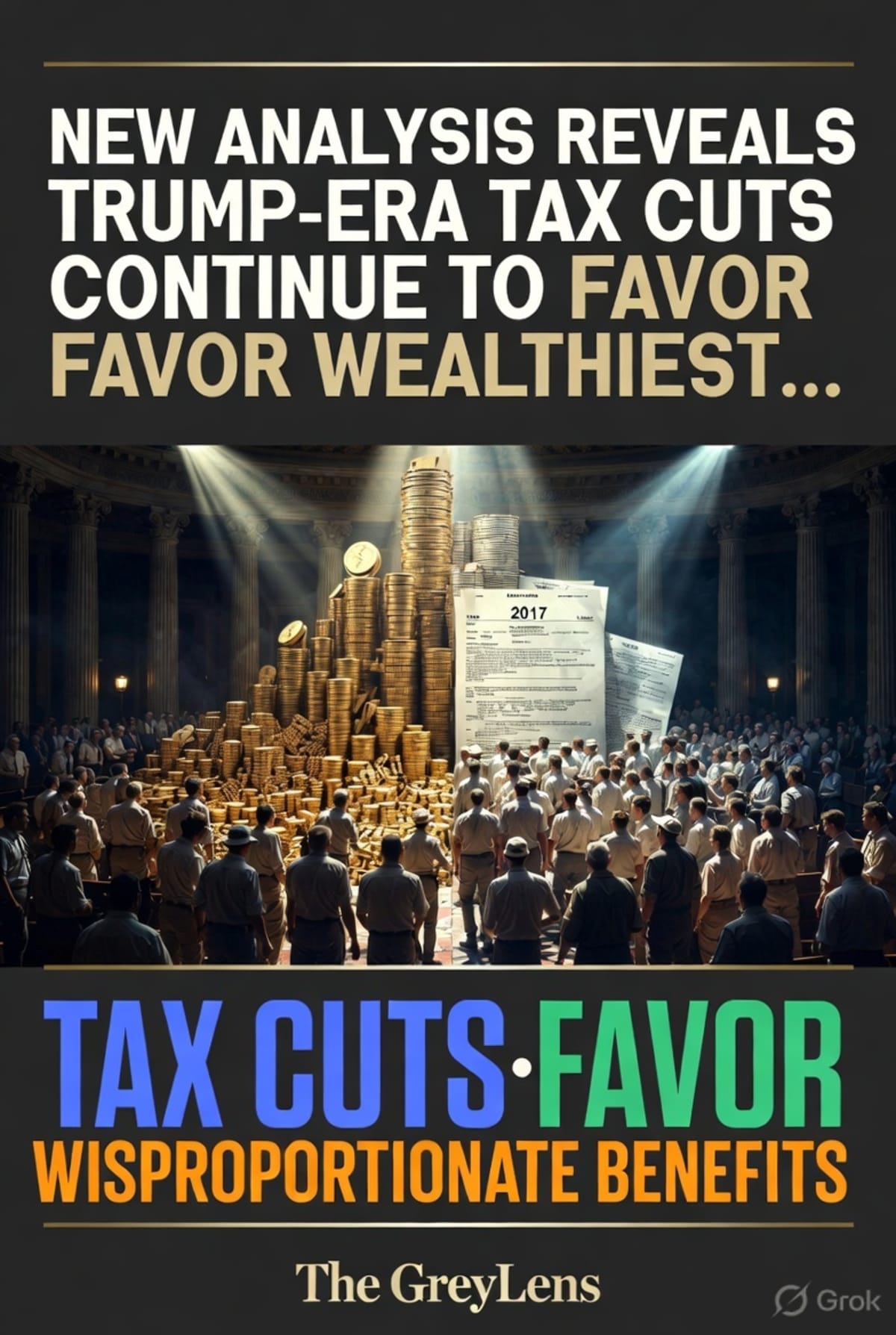
Further examination of the Tax Cuts and Jobs Act of 2017 indicates that its benefits continue to predominantly flow to the highest earners, a trend that has persisted since its implementation. While proponents argued the cuts would stimulate economic growth across all income levels, independent analyses, including those by organizations like the Congressional Budget Office and various think tanks, have consistently pointed to a widening gap in benefits. The wealthiest 5% of households have seen the most significant reductions in their tax liabilities, largely due to provisions that reduced corporate and high-income individual tax rates. This contrasts with middle-class families, whose tax savings have been more modest and, in some cases, have been offset by changes in other deductions and credits, according to reporting by Bloomberg.
The long-term implications for the middle class remain a central concern in discussions surrounding the tax cuts. While some individuals in the middle-income brackets may have experienced a temporary reduction in their tax bills, the sustainability of these savings is questioned as certain individual tax provisions are set to expire. This has led to a narrative that the middle class, despite broader economic promises, has been largely left behind by the core tenets of the legislation. The focus on corporate tax reductions, intended to spur investment and job creation, has not universally translated into widespread wage increases or improved financial stability for average American workers, as noted by The Guardian in its ongoing coverage of economic policy.
As the debate over tax policy continues, a significant portion of the public and policymakers are scrutinizing the distributional outcomes of the Tax Cuts and Jobs Act. The findings suggest that the intended trickle-down effects have been less pronounced than anticipated, with the concentration of benefits at the top exacerbating existing economic inequalities. The ongoing analysis underscores the complex interplay between tax policy and economic well-being, highlighting the need for continued evaluation of legislation's impact on different socioeconomic groups and prompting discussions about potential future reforms aimed at creating a more equitable tax system. The persistent focus on these distributional effects by news outlets like Reuters and AP indicates the enduring relevance of this issue in the current economic landscape.