Tehran, Iran – Iranian Foreign Minister Abbas Araghchi arrived in Saint Petersburg on April 27, 2026, for discussions with Russian President Vladimir Putin, as peace efforts between Iran and the United States remain in a delicate state. This diplomatic move follows a series of regional engagements, including visits to Oman and Pakistan, and comes amid reports of a new proposal from Iran aimed at reopening the Strait of Hormuz and ending the ongoing conflict. The proposal, conveyed through Pakistani mediators, suggests postponing nuclear negotiations to a later stage, according to Axios, citing U.S. officials and sources familiar with the matter. U.S. President Donald Trump previously canceled a planned trip by his envoys to Pakistan, stating that he would not send representatives “without a plan.” Trump has indicated that Iran can initiate contact if it wishes to resume negotiations. Meanwhile, a fragile ceasefire in southern Lebanon between Israel and Hezbollah faces continued strain. The Israeli military announced that an Israeli soldier, Sgt. Idan Fooks, was killed in southern Lebanon on April 26. Both Hezbollah and Israel have accused each other of violating the recently established truce, with Hezbollah launching projectiles and Israel conducting artillery and airstrikes against Hezbollah targets. The ceasefire, brokered on April 16 after over a month of hostilities, has seen over 2,000 deaths and 7,000 wounded in Lebanon, with over a million people displaced. The ongoing conflict and the continued closure of the Strait of Hormuz are having significant global economic repercussions, including soaring oil and gas prices, raising concerns about food security in developing nations. Analysts at Goldman Sachs have revised their year-end Brent crude forecast upwards, warning that global export normalization hinges on the reopening of Gulf exports by the end of June. The geopolitical maneuvering and the persistent economic fallout underscore the volatile and interconnected nature of the current situation in the Middle East.
General
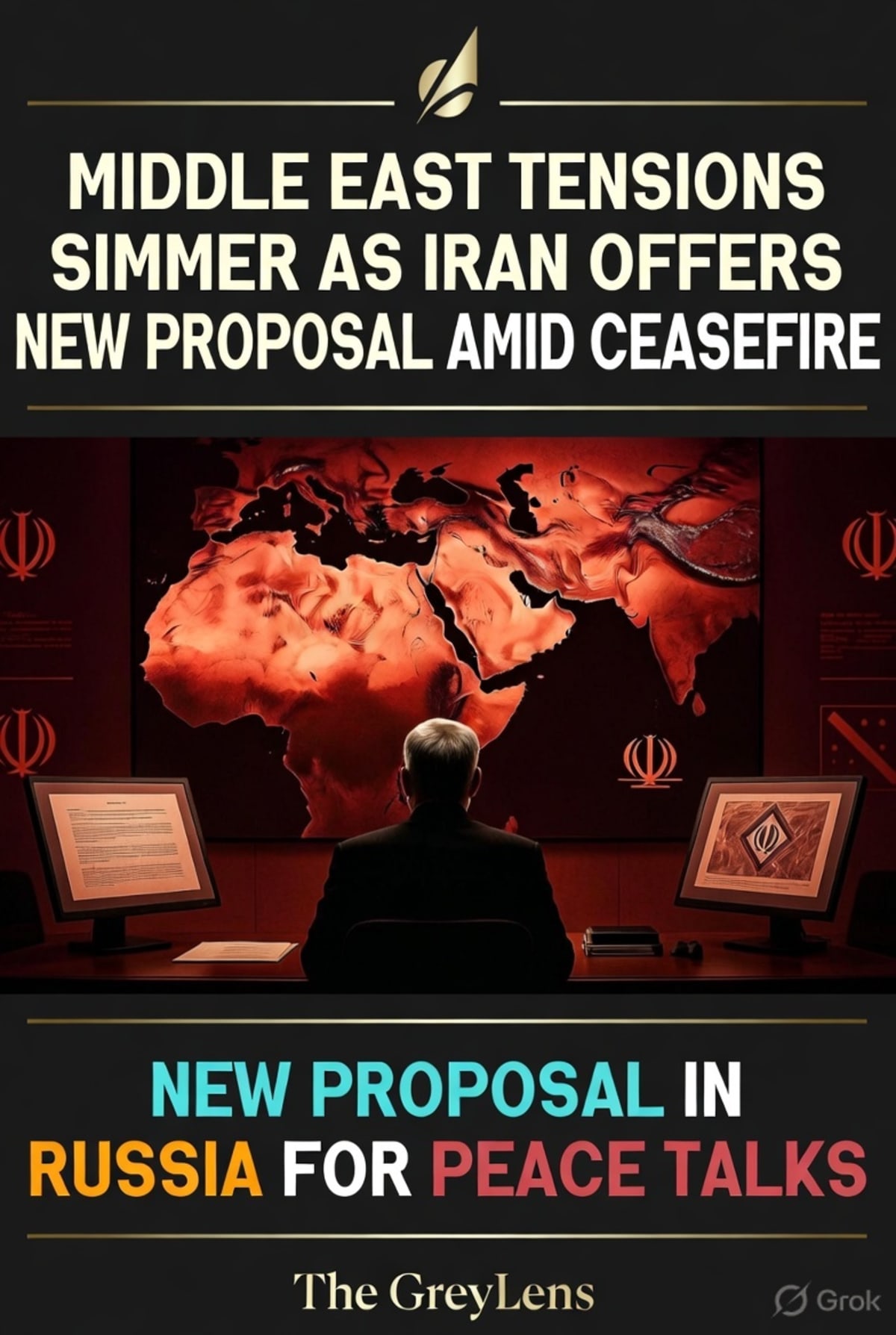
Middle East Tensions Simmer as Iran Offers New Proposal Amid Ceasefire Fragility
Iranian Foreign Minister Abbas Araghchi is in Russia for talks as Iran offers a new proposal to the U.S. for reopening the Strait of Hormuz, while a fragile ceasefire holds in Lebanon.
Report an error/suggestion: news@thegreylens.com