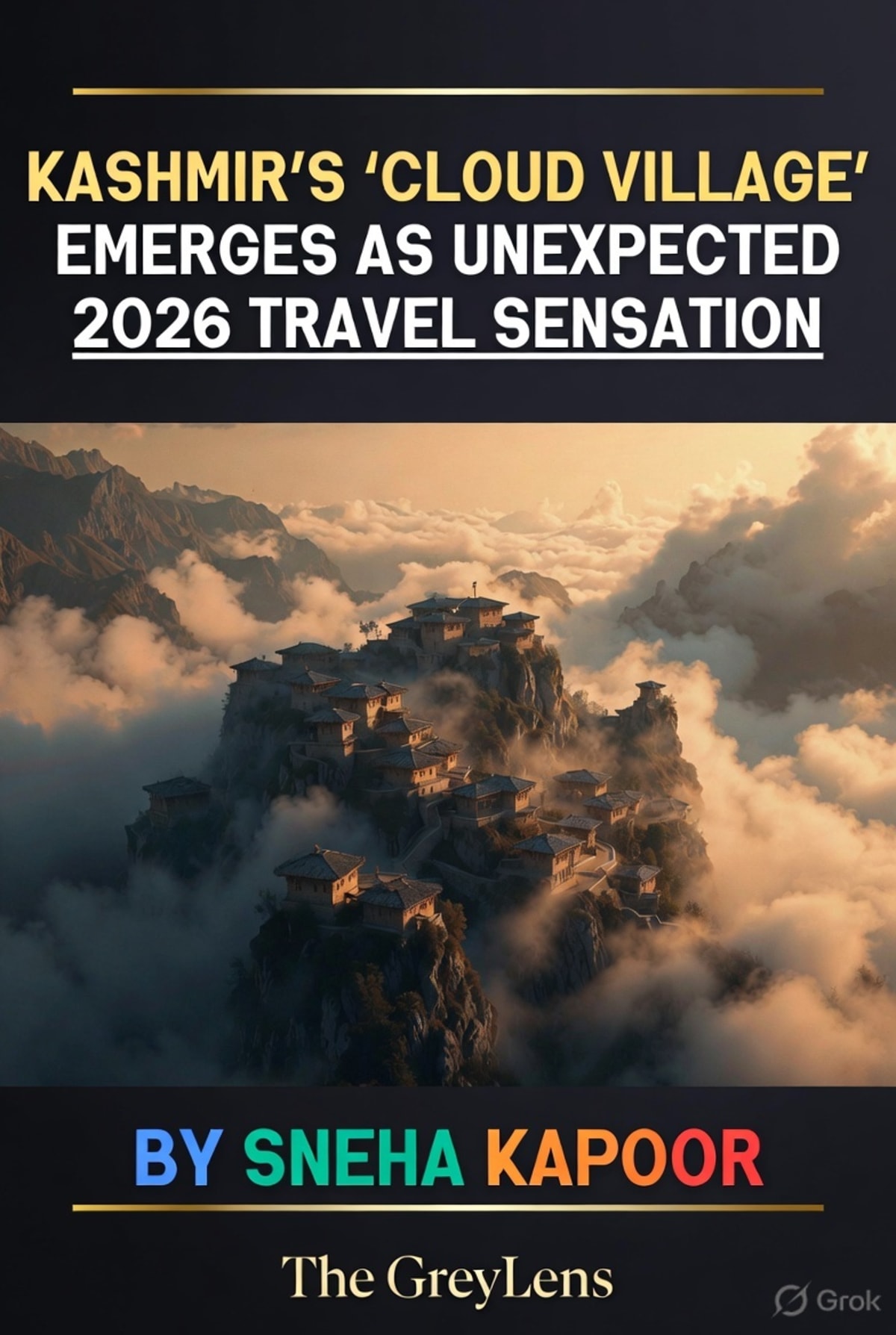
In a significant shift for Indian tourism, the previously obscure village of Gujjar Basti, nestled high in Kashmir's Pir Panjal range, has become an unexpected focal point for discerning travelers over the past 24 hours. Dubbed the 'Cloud Village' for its consistent atmospheric embrace, this remote settlement is drawing attention not for grand monuments, but for its authentic nomadic culture and breathtaking, ethereal landscapes.
A New Dawn for Remote Ecotourism
Gujjar Basti, home to the semi-nomadic Gujjar community, has traditionally been a seasonal settlement. However, recent social media buzz and niche travel blogs have highlighted its unique appeal, transforming it into a burgeoning destination for those seeking an escape from conventional tourist trails. Reports indicate a surge in inquiries and bookings for homestays and guided treks in the region, with travelers specifically seeking the immersive experience of living alongside the Gujjar families, learning about their pastoral lifestyle, and witnessing the dramatic, cloud-kissed vistas. This sudden spotlight is prompting local authorities and community leaders to consider sustainable tourism models that preserve the village's pristine environment and cultural integrity.
According to a report from the Jammu & Kashmir Tourism Department, while official visitor numbers are still being compiled, anecdotal evidence from local guides and homestay operators points to a significant uptick in interest, particularly from younger, adventure-seeking demographics. "We've seen an unprecedented number of inquiries in the last few days," stated a local tourism entrepreneur. "People are tired of crowded places and are looking for genuine experiences. Gujjar Basti offers exactly that – peace, unparalleled natural beauty, and a chance to connect with a different way of life."
Economic Ripples and Infrastructure Challenges
This burgeoning popularity presents both opportunities and challenges for Gujjar Basti and its inhabitants. The influx of tourists, while promising economic benefits through homestays, local crafts, and guiding services, also raises concerns about the impact on the fragile mountain ecosystem and the traditional Gujjar way of life. Discussions are already underway regarding the development of basic infrastructure, such as improved sanitation facilities and reliable, eco-friendly transportation options, without compromising the village's rustic charm. The aim is to foster a model of tourism that empowers the local community while safeguarding their heritage and environment.
Looking ahead, the potential for Gujjar Basti to become a flagship destination for responsible ecotourism in India is immense. Over the next one to five years, we can anticipate a concerted effort to develop this region, likely involving partnerships between the tourism department, local communities, and conservation organizations. The focus will undoubtedly be on creating a sustainable framework that allows visitors to experience the magic of the 'Cloud Village' while ensuring its long-term preservation. This could include training local guides, promoting authentic cultural exchanges, and establishing strict environmental guidelines. The story of Gujjar Basti serves as a powerful reminder that India's most compelling travel experiences often lie hidden, waiting to be discovered responsibly.