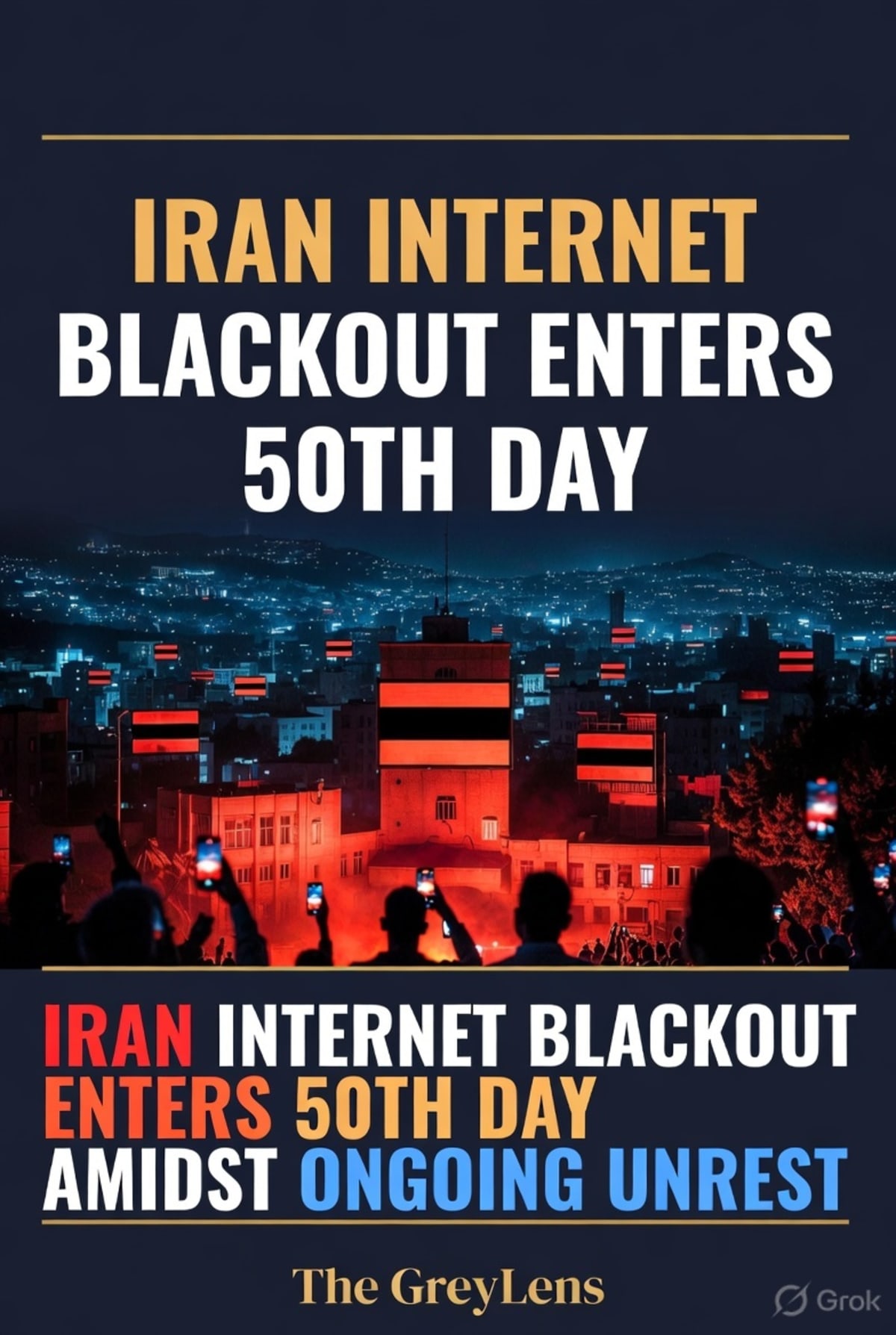
The widespread internet blackout in Iran has now persisted for 50 days, as reported by the prominent internet monitoring group NetBlocks. This extended period of restricted connectivity has severely hampered communication and access to information for the country's population. The shutdown, which began earlier this year, has impacted both mobile and fixed-line internet services across various regions of Iran, raising concerns among international human rights organizations and digital advocates about the suppression of free expression and access to information. NetBlocks has been meticulously documenting the disruptions, noting intermittent connectivity and significant slowdowns that effectively isolate the country from the global digital sphere. The sustained nature of this blackout suggests a deliberate and ongoing effort to control the narrative and limit public discourse.
While the Iranian government has not provided a definitive explanation for the prolonged internet outage, it has occurred in the context of significant domestic and international pressures. Previous instances of large-scale internet shutdowns in Iran have often coincided with periods of social unrest or political developments, leading many observers to believe the current restrictions are a measure to quell dissent and control the flow of information related to sensitive issues. The economic and social ramifications are substantial, affecting everything from small businesses that rely on online platforms to individuals trying to maintain contact with family abroad. Access to essential services, educational resources, and news from independent sources has been severely curtailed, creating an environment of uncertainty and isolation for many citizens.
The international community, including various human rights bodies and technology watchdogs, has repeatedly called for the restoration of unrestricted internet access in Iran. These calls emphasize the fundamental right to information and the importance of open communication channels, particularly during times of social and political sensitivity. The sustained digital blockade not only impacts Iranians within the country but also raises questions about Iran's engagement with the global digital economy and its commitment to international norms regarding internet freedom. As the blackout continues, the focus remains on the human impact of these restrictions and the broader implications for civil liberties and democratic principles within the nation.