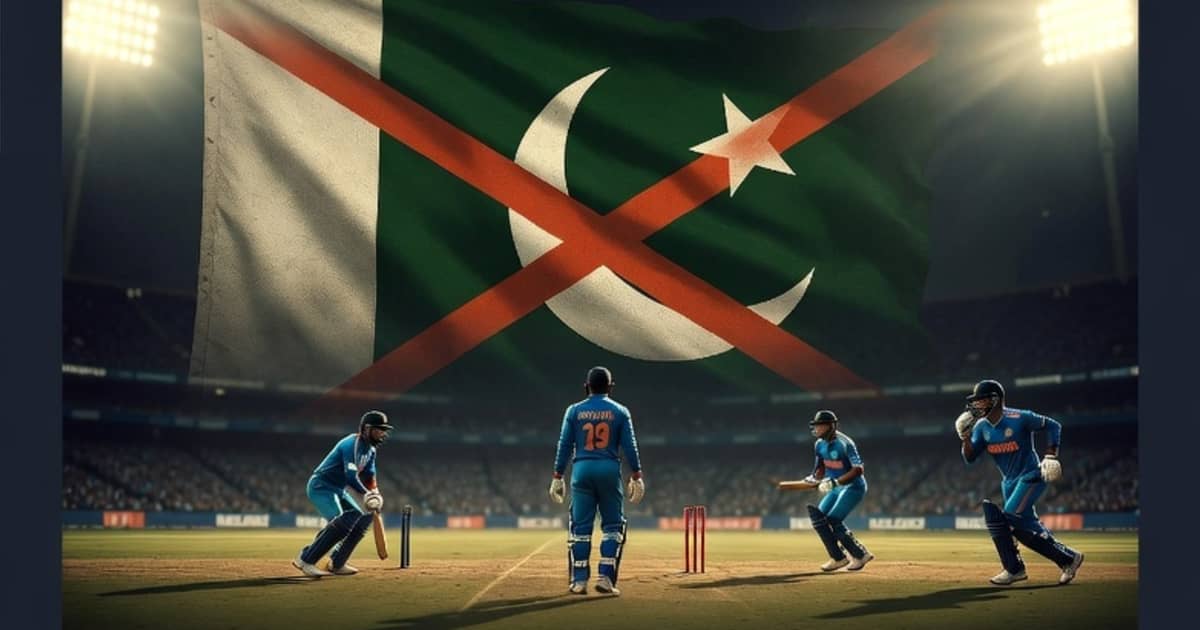
New Delhi – India has solidified its position on sporting relations with Pakistan, with the Ministry of Youth Affairs and Sports issuing a memorandum that reaffirms the ban on bilateral sporting events between the two nations. This decision, announced on May 6, 2026, explicitly states that Indian teams will not participate in competitions in Pakistan, nor will Pakistani teams be permitted to play in India. This policy maintains the status quo regarding direct sporting contests, which have been significantly impacted by the broader geopolitical tensions between the two countries. The memorandum clarifies that this stance is guided by international sports bodies' practices and the interests of Indian sportspersons, while also acknowledging India's growing capability to host major international events.
Opening Avenues for Multilateral Competition
Despite the continued suspension of bilateral engagements, the Indian government has made a notable exception for multilateral events. Athletes and teams from Pakistan will now be allowed to participate in international tournaments hosted by India, as well as those held abroad. This inclusive approach to multi-nation competitions aims to foster a spirit of international sportsmanship while navigating the complexities of bilateral relations. The ministry has also pledged to simplify visa procedures for athletes and officials participating in such events. Furthermore, office bearers of international sports governing organizations will be issued multiple-entry visas, ensuring smoother logistical arrangements for global sporting bodies.
Diplomatic Alignment and Sporting Aspirations
The recent policy announcement comes as India continues to bolster its position as a major host of international sporting events. With the nation preparing to host the Commonwealth Games in 2030 and holding ambitions for the 2036 Olympics and 2038 Asian Games, fostering a welcoming environment for international participation is crucial. This diplomatic alignment in sports reflects a strategic approach to enhancing India's global sporting profile. The decision also takes into account the recent military conflict between India and Pakistan last year, which had a ripple effect on sporting interactions, including the refusal of the Indian team to shake hands with Pakistani players during a recent encounter and comments made by Indian captain Suryakumar Yadav following a match. These incidents underscore the sensitive nature of sports diplomacy between the two South Asian neighbours.
Looking Ahead: A New Era for International Sports Policy?
The Indian government's latest directive signals a nuanced approach to international sports engagement. By maintaining a firm stance on bilateral ties while embracing multilateral participation, India aims to balance its diplomatic imperatives with its sporting aspirations. The simplified visa processes and the commitment to hosting international events suggest a forward-looking strategy. As India continues to bid for and host major global sporting spectacles, its policies regarding international participation will be closely watched by the global sports community. The coming years will reveal how this balanced approach shapes India's role on the international sports stage and its relationships with neighbouring countries in the realm of sports.