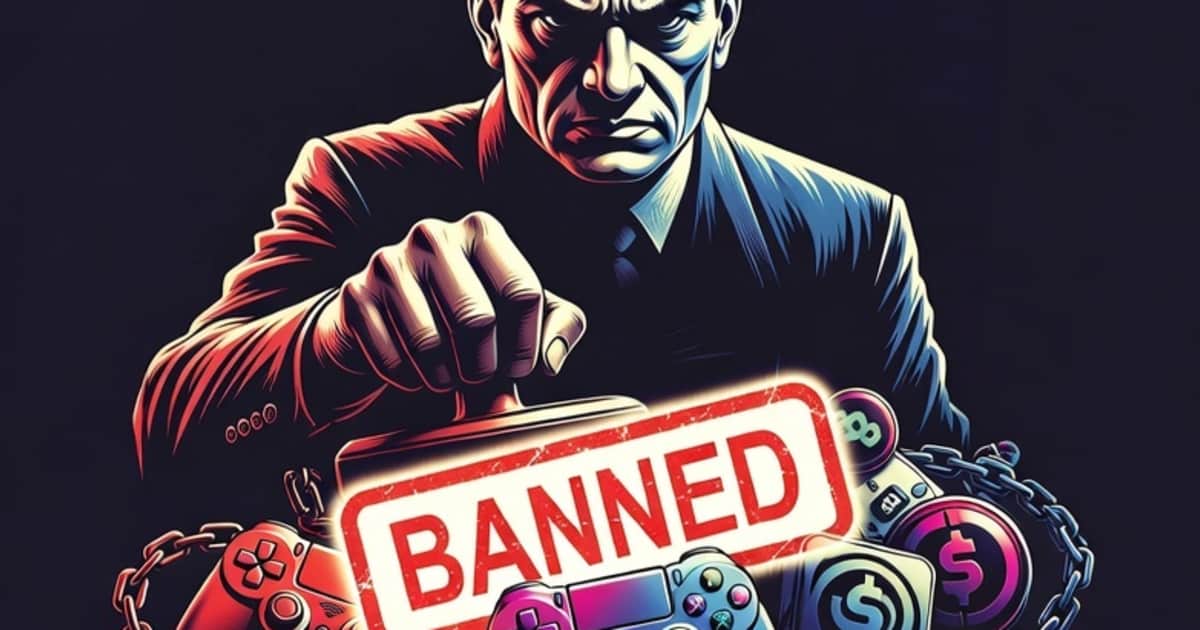
India has ushered in a new era for its burgeoning digital gaming landscape with the implementation of the Promotion and Regulation of Online Gaming Rules, 2026, effective May 1, 2026. This significant regulatory overhaul, stemming from the Promotion and Regulation of Online Gaming (PROG) Act of 2025, marks a decisive shift towards a more structured and safety-conscious approach to online gaming in the country. The core of these new regulations is a nationwide ban on all forms of real-money gaming (RMG), encompassing games of chance, skill, or any combination thereof. This prohibition extends to the advertising, promotion, and facilitation of such games, with banks and payment systems now explicitly barred from processing related transactions.
A New Framework for Digital Entertainment
The comprehensive rules aim to curb the rising concerns surrounding addiction, fraud, and money laundering within the online gaming sector. By establishing a central Online Gaming Authority of India (OGAI), the government intends to create a unified regulatory body responsible for classifying games, monitoring compliance, and handling grievances. This move transitions India from a fragmented state-by-state regulatory approach to a "one nation, one framework" system. The regulations categorize online games into three distinct types: permissible social games, esports (skill-based competitive gaming), and real-money games, the latter now completely prohibited. The OGAI will classify games within 90 days of a complete application or notice, considering factors such as the nature of stakes, expectation of monetary winnings, and the game's revenue model.
Prioritizing User Safety and Industry Growth
Beyond the prohibition of RMG, the new framework places a strong emphasis on user safety. Gaming platforms are now mandated to implement stringent measures, including age verification, parental controls, and usage time limits. Furthermore, platforms must actively prevent underage access and address gaming addiction through in-app reporting and counseling support systems. Data security is also a critical component, requiring all gaming platforms to store user data within India. A two-level grievance redressal system, first at the company level and then with the OGAI, is now mandatory for users. Violations of these rules can lead to severe consequences, including game blocking, financial penalties, and legal action. While RMG platforms face stringent curbs, the government is actively encouraging the growth of esports and casual social gaming, positioning India as a global hub for responsible digital gaming innovation. This strategic pivot aims to foster innovation and creativity within the sector while safeguarding users from financial and social risks. The Indian gaming market, which generated approximately ₹232 billion in 2024, with a substantial 77% of revenue derived from transaction-based games, is expected to undergo a significant transformation under these new regulations. Companies have already reported substantial asset write-downs, exceeding $840 million, in anticipation of and compliance with the new laws.
The Road Ahead for Indian Gaming
The implementation of these rules signifies a major step in India's ambition to become a global gaming hub. The focus has clearly shifted from real-money transactions to skill-based and entertainment-focused gaming experiences. The success of this new framework will depend on effective enforcement by the OGAI and the adaptability of the gaming industry. While the ban on RMG aims to create a safer environment, the challenge remains in ensuring that these regulations do not inadvertently push such activities underground. The coming months will be crucial in observing how gaming companies adapt, how new business models emerge, and whether India can truly balance industry growth with robust user protection.