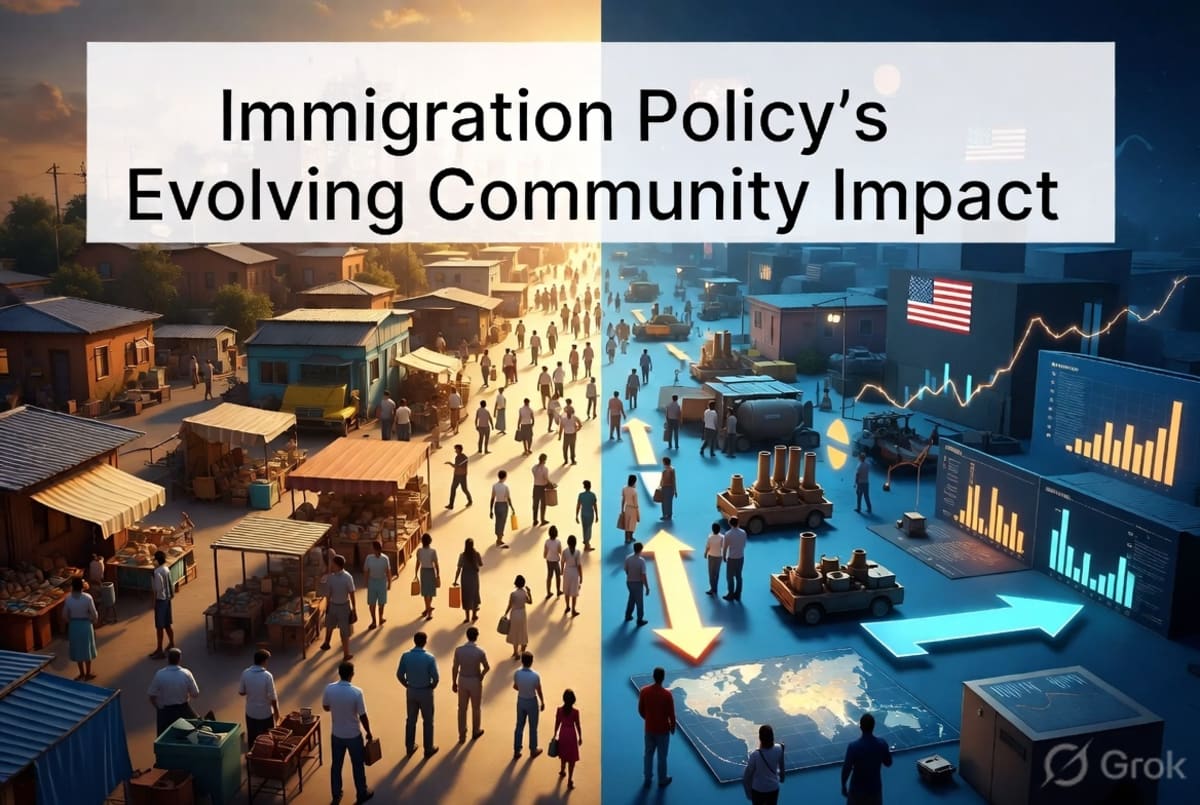
Current analyses of immigration policy reveal a multifaceted impact on communities, extending beyond economic indicators to shape social cohesion and local services. A recent report from The Guardian, examining shifts in government approaches to asylum seekers, points to increased strain on housing and public services in certain municipalities. This is often accompanied by a rise in demand for social support programs, affecting both long-term residents and new arrivals. While some regions experience economic revitalization fueled by immigrant entrepreneurship and labor, others grapple with integration challenges and debates over resource allocation. The dynamic nature of these policies means communities are continually adapting, with local leaders and non-profit organizations playing a crucial role in facilitating smoother transitions and addressing emergent needs. This ongoing adaptation underscores the need for nuanced policy-making that considers the granular realities faced by diverse communities across the nation.
Furthermore, the human element of immigration policy remains a critical focus, with recent reporting by Reuters detailing the personal journeys of families navigating complex legal pathways and seeking stability. These narratives often illustrate the profound impact of policy changes on individual lives, affecting access to education, healthcare, and employment opportunities. Young professionals, in particular, are increasingly engaging with these issues, both as potential employers and as community members. The integration of immigrants into the workforce and society presents opportunities for skill-sharing and cultural enrichment, but also necessitates proactive strategies to combat xenophobia and ensure equitable access to resources. Experts emphasize that successful integration hinges on a combination of supportive government policies, community-led initiatives, and a willingness to foster inclusive environments. The long-term success of immigration policies, therefore, is measured not just by economic metrics, but by the strength and inclusivity of the communities they shape.